Kaunas vs Vilnius: Which Lithuanian City Fits Your Trip
Kaunas vs Vilnius compared: Vilnius wins on old-town atmosphere and scale, Kaunas on space and modernism. Pick by traveler type, not by hype.
On this page
Vilnius is the city to pick for a first trip to Lithuania, and Kaunas is the better pick if you have already seen the capital or want a calmer, more modern city. The two are close enough that the sensible answer for many travelers is both, with Vilnius as the base and Kaunas as a day trip or a night away.
The comparison is not really about quality. Vilnius brings baroque streets, a dense old town and the country's largest museum and cultural scene, while Kaunas brings space, a strong interwar-modern identity and a working-city feel that suits travelers who dislike polished tourist cores. The honest trade-off is atmosphere and scale against room to breathe.
The verdict: Vilnius for first-timers, Kaunas for a calmer second city
If you have one Lithuanian city on your itinerary, make it Vilnius. The old town is the country's most complete historic ensemble, and the city has the museums, restaurants and transport links that make a short trip easy. Kaunas rewards travelers who have already done the capital, or who want a smaller city with a distinct architectural story and fewer tour groups.
The historical relationship between the two cities explains a lot of their different characters. Kaunas served as Lithuania's temporary capital in the interwar period while Vilnius was part of Poland, and Vilnius only became the capital of independent Lithuania after 1990, as an LRT exhibition on the two cities sets out. That split left Kaunas with a concentration of interwar public buildings and Vilnius with the older baroque core.
For travelers weighing the whole country rather than these two cities, our guide to whether Lithuania is worth visiting sets out the wider case and where the country's strengths lie. It is a useful check before you commit your days to one city.
How the two cities differ in character
Vilnius feels like a capital: grand church domes, a compact old town that unfolds into courtyards, and a newer commercial centre with towers on the other side of the river. Kaunas feels like a city that got on with its work. Its centre is a long pedestrian spine running from the old town to the interwar quarter, with wide streets and a more everyday rhythm.
The practical difference is scale and density. Vilnius packs most of its sightseeing into a walkable old town, so a short visit feels full without much planning. Kaunas is more spread out and its best architecture rewards a deliberate route rather than wandering, but it also feels less crowded and less geared to visitors.
What Vilnius gives you: the baroque old town and its layered history
Vilnius Old Town is a UNESCO-listed maze of cobbled lanes, church courtyards and former noble palaces, with the Cathedral and its bell tower as the obvious anchor. Nearby, the former Jewish quarter around Žydų Street and the Gates of Dawn carry a heavier history that repays slower attention. Allow time to get lost; the pleasure here is in the side streets rather than a checklist.
For museums, the Mo Museum on Pylimo Street is the city's contemporary art showcase and hosted one half of the Kaunas–Vilnius: Moving Mountains exhibition in 2022 alongside a gallery in Kaunas, according to LRT. Across town, the Gediminas Tower hill and the former KGB building on Aukų Street give two very different views of Lithuanian history. Both are within easy walking distance of the old town.
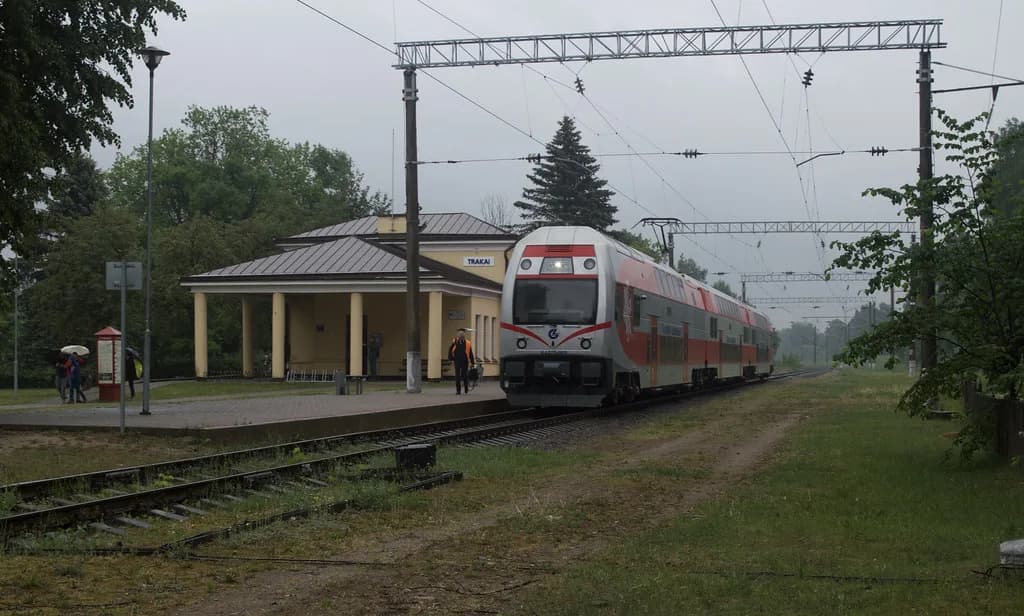
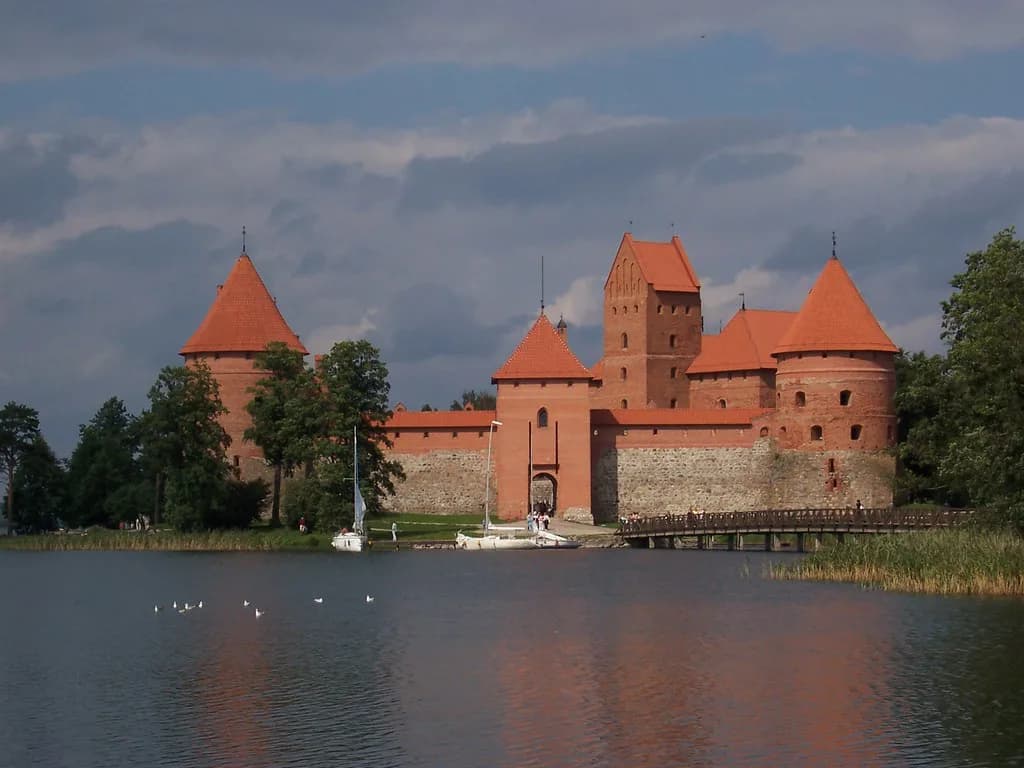
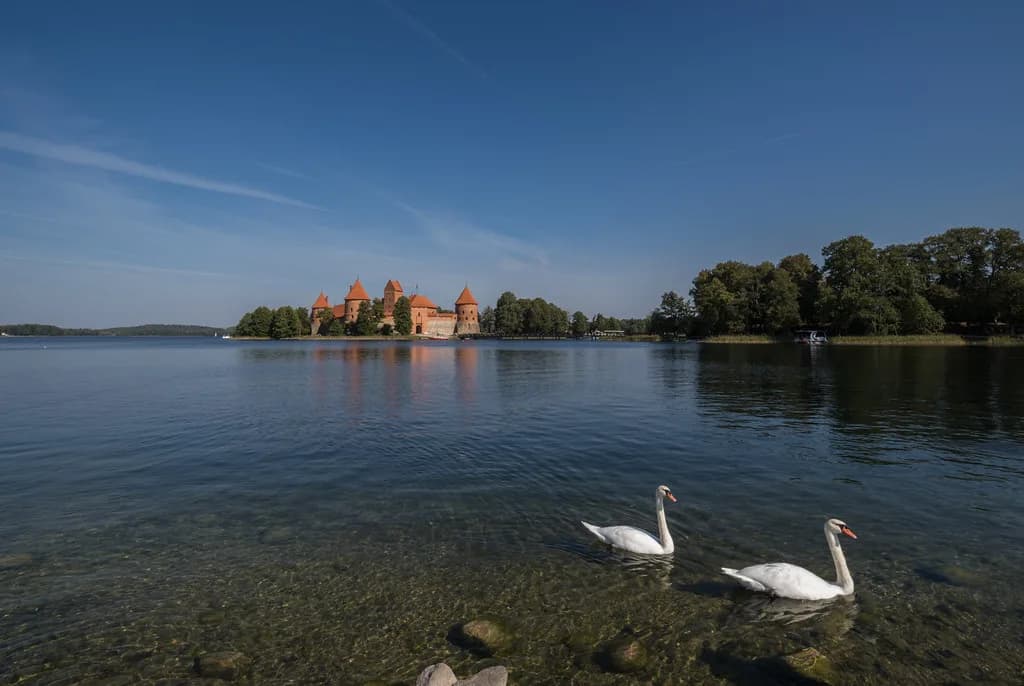
Vilnius also has the edge on day trips. Trakai, with its lakeside island castle, is a short ride west of the city and works as a half-day outing. If you plan to combine it with other stops, see our notes on renting a car in Lithuania; the train and bus options are simpler for Trakai alone.
What Kaunas gives you: interwar modernism and a working-city feel
Kaunas is the best place in Lithuania to see interwar modernism, the style that earned the city its European Capital of Culture year in 2022. The central streets between Laisvės Alėja and the Nemunas river hold apartment blocks, banks and public buildings from the 1920s and 1930s with clean lines and confident proportions. Walking them is the main attraction, and it costs nothing.
The M. K. Čiurlionis National Museum of Art is the city's cultural anchor, devoted to the Lithuanian painter and composer whose symbolist work is unlike anything else in the country. The Vytautas the Great War Museum next door covers the interwar military and state-building story. The Ninth Fort on the city's edge is the sobering counterpoint, a memorial on the site of wartime atrocities.
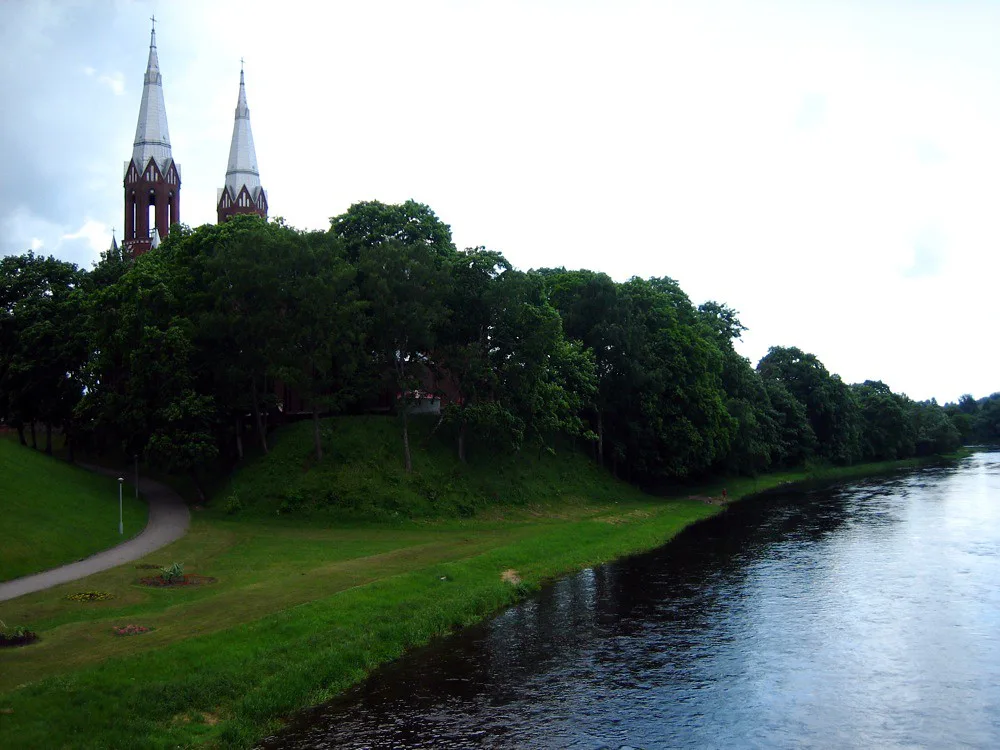
Kaunas Old Town is smaller than Vilnius's and less polished, with the Kaunas Cathedral and the converging rivers as its focus. That roughness is part of the appeal for travelers who find the Lithuanian capital's core too neat. It also means fewer people competing for the same viewpoint.
Crowds and the rhythm of the seasons
Vilnius carries the country's visitor traffic, and its old town feels busiest in high summer and around major events, when the main squares and the Pilies street corridor fill up. Mornings and evenings are noticeably calmer, and the side streets off the main axes stay quiet even in July. If crowds wear you down, plan the headline sights early and save the lanes for later.
Kaunas draws far fewer international visitors, and even on a summer weekend its central pedestrian street rarely feels crowded. The trade-off is a thinner tourist infrastructure: fewer English-language menus, fewer guided tours, and a city that shuts down more completely outside the season. Travelers who want buzz will notice the difference.
How many days each city needs
Vilnius deserves two full days at a minimum: one for the old town and its museums, one for the Gediminas hill, the former KGB building and the newer centre across the river. Add a half day for Trakai. Three nights is a comfortable stay that lets you eat well and still see the main sights without rushing.
Kaunas works as a single full day if you focus on the modernist centre and the Čiurlionis museum, and as two days if you add the Ninth Fort and the old town at an unhurried pace. Many travelers see it as a day trip from Vilnius and regret not staying a night, because the city is at its best in the evening when the day visitors have gone.
Getting between them: the train and the drive
The direct rail link between Vilnius and Kaunas is the simplest way to pair the two cities, with frequent departures from both main stations and a journey that takes a little over an hour. Buy tickets at the station or through the operator's own sales channel, and check the day's departures and current prices before you commit to a tight connection.
By road, the motorway between the two cities is fast and straightforward, and driving gives you the flexibility to stop at Trakai or the Ninth Fort on the way. Parking in central Vilnius is the main hassle; Kaunas is easier to navigate by car. If you are hiring a vehicle for a wider Lithuania loop, our guide to renting a car covers the practical side, including rental desks at Vilnius Airport.
Both cities have airports, and which one you fly into can settle the base question for a short trip: Vilnius Airport sits close to the capital, while Kaunas Airport mainly serves low-cost carriers and is a bus ride from the city centre. Travelers flying into Kaunas and out of Vilnius, or the reverse, can see both without backtracking.
Which city to use as a base for a longer Lithuania trip
Vilnius is the better base for a longer Lithuanian itinerary. It has the widest choice of onward transport, the most day trips within easy reach, and the country's main international gateway. From Vilnius you can reach Trakai, the Dzūkija forests and the eastern lakes without changing hotels.
Kaunas is the stronger base if your trip continues overland to Poland or you want to explore the Nemunas valley and the west of the country. It sits on the main routes toward Warsaw and the Baltic coast and is a good stop between Vilnius and the sea. For travelers continuing north to Riga, Vilnius is the natural last stop, since the direct bus and rail links run from there.
Costs in words: which city stretches your budget further
Lithuania uses the euro, and both cities are moderate by Western European standards. Kaunas is generally the cheaper of the two for food, drinks and casual meals, simply because it sees fewer visitors and its restaurant scene is aimed at residents. Vilnius costs more in the old town, where tourist-facing prices apply, but a short walk from the main squares brings them down.
Museums and attractions in both cities charge modest entry fees rather than large ones, and much of the appeal, from Vilnius's old town lanes to Kaunas's modernist streets, is free to walk. Budget more for Vilnius overall, and treat Kaunas as the place where a longer stay costs little extra.
Weather and the best months for each
Both cities share the same Lithuanian climate: short, warm summers and long, cold winters, with July the warmest month and January the coldest. Summer daytime temperatures typically sit in the low twenties Celsius (around 68–75°F), while winter averages hover a few degrees below freezing. Spring and autumn are changeable, with rain likely in any month.
Late spring and early autumn are the sweet spot for a city trip, with mild days and fewer visitors than midsummer. Vilnius's old town is at its best in June and September, when the light is long and the streets are manageable. Kaunas's modernist architecture is easier to appreciate in the same window, since summer heat and winter ice both make long walking routes less pleasant.
Who should choose Vilnius, and who should pick Kaunas
Choose Vilnius if this is your first trip to Lithuania, if you have two or three days, or if you want the country's strongest concentration of historic sights and museums. It also suits travelers who prefer to base themselves in one place and take day trips. Travelers with limited mobility should note that the old town's cobbles and uneven lanes make some routes hard going.
Choose Kaunas if you have already seen Vilnius, if you are drawn to interwar architecture, or if you want a city where you can walk wide streets without a crowd. It also suits travelers flying with low-cost carriers into Kaunas Airport or heading onward to Poland. Travelers who want a polished, fully tourist-ready core should stay with the capital.
Kaunas vs Vilnius by traveler type
First-timers with two or three days: Vilnius, without much debate. It delivers the classic Lithuanian city experience and the easiest logistics. Repeat visitors and architecture enthusiasts: Kaunas, where the modernist legacy gives the trip a different shape. Travelers on a tight budget: Kaunas stretches further, though Vilnius is not expensive by regional standards.
Travelers pairing Lithuania with Poland should end in Kaunas for the overland routes south. Those continuing to Latvia should end in Vilnius for the connections north. Families tend to find Vilnius easier, with more compact sightseeing and the Trakai day trip close by, while couples and solo travelers often prefer Kaunas's quieter evenings.
If you are still deciding whether Lithuania belongs on a wider Baltic trip at all, the country-level verdict weighs its strengths against the competition from Riga and Tallinn. That context often settles whether you need both cities or just one. If the answer pushes you further north, our guide to whether Latvia is worth visiting applies the same test to the next country up the coast.
Verdict: one city if you must choose
With one city only, go to Vilnius. It is the more complete destination for a short trip, with the old town, the museums and the day trips all in one place. The capital earns its reputation, and a first visit rarely disappoints.
With time for two, use Vilnius as your base and give Kaunas a night. The train makes the pairing simple, and Kaunas's modernist streets and quieter centre are a genuine contrast rather than a lesser version of the capital. That combination is the strongest Lithuanian itinerary for most travelers.
Plan Your Visit
Decide by traveler type and time, not by which city has louder advocates. Vilnius for a first trip and a short stay, Kaunas for a second city, an architectural interest or an overland route to Poland. Whichever you pick, the direct train makes it easy to add the other without a full change of plans.
Explore more Lithuania trip-decision guides
- Is Lithuania Expensive? What a Trip Really Costs
- Lithuania in April
- Lithuania in August
- Lithuania in July
- Lithuania in June
- Lithuania in May
- Lithuania in October
- Lithuania in September
- Lithuania Plug Type
- Do They Speak English in Lithuania? What to Expect as a Traveler
- Getting Around Lithuania
- Lithuania Itinerary
- Lithuania Travel Tips
- Money in Lithuania
- The Best Cities in Lithuania, Ranked by What You Actually Want
Frequently Asked Questions
Is Kaunas or Vilnius better for a first trip to Lithuania?
Vilnius is the better first trip. It has the country's most complete historic old town, its largest contemporary art museum and the easiest logistics for day trips such as Trakai. Kaunas rewards a second visit or a specific interest in interwar modernism.
Can you visit Kaunas and Vilnius on the same trip?
Yes, and it is the best way to see both. Frequent direct trains connect the two city centres in a little over an hour, so Kaunas works as a day trip from Vilnius or as a single overnight stop. Staying a night in Kaunas gives you the quieter evening version of the city.
Is there a train from Kaunas to Vilnius?
Yes. Direct trains run between the two main stations throughout the day and the trip takes a little over an hour. Buy tickets at the station or through the train company's own sales channel, and look up the day's departures before planning a tight connection.
How many days do you need in Vilnius and Kaunas?
Allow two to three nights in Vilnius for the old town, the museums and a Trakai half day, plus one or two days in Kaunas for the modernist centre, the Čiurlionis museum and the Ninth Fort. That gives a comfortable week without rushing either city.
Is Kaunas cheaper than Vilnius?
Generally yes for food, drinks and casual meals, because Kaunas sees fewer international visitors and its restaurants cater to residents. Vilnius costs more in the old town but drops quickly once you leave the main tourist streets. Either city is moderate by Western European standards.
Why is Kaunas not the capital of Lithuania?
Kaunas served as the temporary capital during the interwar period while Vilnius was part of Poland. Vilnius became the capital of independent Lithuania after 1990, which left Kaunas with a dense legacy of interwar public architecture rather than the role of political centre.
What language is spoken in Kaunas and Vilnius?
Lithuanian is the official language in both cities. English is widely understood in hotels, museums and restaurants in Vilnius, and somewhat less consistently in Kaunas outside the main tourist areas, so a few basic Lithuanian phrases help.
Sources
Trip-decision notes
Optional updates when we publish or revise a destination verdict.
You might also like

Continue reading
More guides you'll find useful