Lithuania Itinerary: How Many Days You Need and Where to Go
A practical Lithuania itinerary for 3, 5, 7 and 10 days, with Vilnius, Trakai, Kaunas and the coast, plus honest trade-offs and who each plan suits.
On this page
Give Lithuania seven days. That allows three full days in Vilnius, a day trip to Trakai or Kaunas, and two days on the coast around Klaipėda and the Curonian Spit, which is the split most first-time visitors find balanced. Three days is a legitimate city break if you stay in Vilnius, and ten days only pays off if you plan to fold Lithuania into a wider Baltic route rather than go deeper into one country.
The shape of every plan is the same: Vilnius anchors the trip, Kaunas and Trakai fill the middle, and the coast is the variable you add or cut depending on time. The trade-offs below are about days, not sights — a smaller country with compact distances but a long, thin geography that punishes indecision.
The verdict: how many days Lithuania deserves
Seven days is the sweet spot. Vilnius rewards at least three days once you count its Old Town, the former Jewish quarter and the museum quarter, and adding Trakai and Kaunas takes you to five without rushing. The remaining two days belong to the coast, which is the part of Lithuania most itineraries underestimate and most travelers misjudge as a quick add-on.
Shorten to three days if Vilnius is the point and you want a city break rather than a country tour. Published ten-day formats routinely pair Vilnius with Riga, Tallinn and sometimes Helsinki, which is a genuinely popular shape for a Baltic circuit but trades depth in Lithuania for breadth across the region.
Who each length suits matters more than the count. Three days suits a weekend flyer tied to Vilnius; five suits anyone who wants a second city and a castle; seven suits travelers who want the coast; ten suits those building a multi-country Baltic trip with fixed dates.
Why Vilnius anchors every itinerary
Vilnius is compact enough to walk but layered enough to fill three days. The Old Town, a UNESCO site, holds the Cathedral and its bell tower, Pilies Street and the university quarter; Užupis, the self-declared artists' republic across the river, is a short walk; and Gediminas Castle Tower gives the classic view back over the rooftops.
Three days in the capital is a realistic minimum rather than a generous one. A workable structure is one day for the Old Town core, one for Užupis and the museum quarter including the former Jewish ghetto area and the KGB museum, and one for a day trip — which is where Trakai and Kaunas come in.
If you are still deciding whether the country earns a slot at all, the honest answer is that Vilnius carries the trip and the rest rewards those with time to spare. Start with a clear read on whether Lithuania is worth visiting before you commit days to the coast.
A 3-day Lithuania itinerary: Vilnius plus one day trip
Day one covers the Old Town on foot: Cathedral Square, Pilies Street, the university courtyards and the dusk view from Gediminas Castle Tower. Day two takes Užupis, the KGB museum and the former Jewish quarter, which is the part of Vilnius most rushed itineraries skip and the part that stays with people longest.
Day three is the choice: Trakai for the island castle and lake setting, or Kaunas for a bigger, grittier second city with a strong interwar-modernist centre. Trakai is the easier add-on from Vilnius; Kaunas rewards a full day rather than a half-day dash.
This plan suits a long weekend or the Lithuania leg of a wider trip. It does not suit anyone who wants coastline, because the Curonian Spit is a separate journey west and cannot be squeezed into a Vilnius-based three days without losing something.
A 5-day itinerary: add Kaunas and decide on the coast
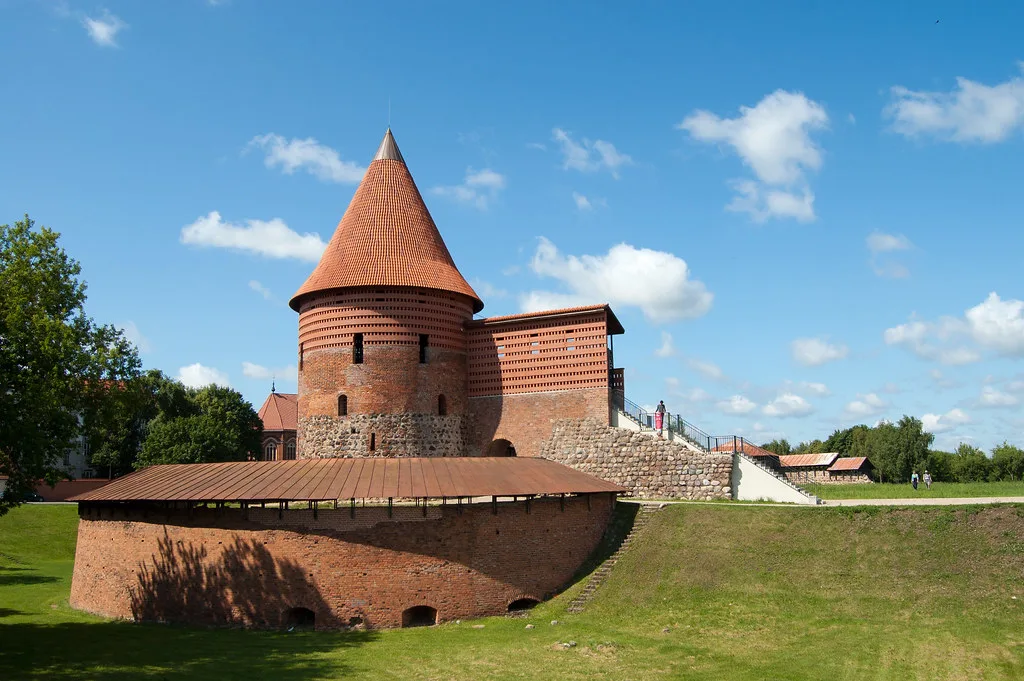
Five days keeps three in Vilnius and gives Kaunas a full day and night, which is what the city needs to justify the trip. Kaunas has the country's strongest interwar architecture, a reviving old town and a ninth fort with a grim wartime history; treating it as a two-hour stop undersells it.
With the fifth day you choose: another Vilnius day trip such as Trakai, or a first taste of the coast. Five days is not enough for both a proper Kaunas stop and the Curonian Spit — the spit alone needs a full day from Klaipėda — so pick one and accept the other waits for next time.
A 7-day itinerary: Vilnius, Kaunas, Trakai and the coast
Day one to three in Vilnius, day four to Trakai or Kaunas, day five to Kaunas or onward west, day six in Klaipėda and on the Curonian Spit, day seven for the return or a slower coastal morning. That is the plan most first-timers should book, and it uses Lithuania's compact distances well.
The coast is the part that changes the trip's character. Klaipėda is a working port city with a rebuilt old town, and the Curonian Spit — a narrow, UNESCO-listed sandbar shared with Russia's Kaliningrad region — is the reason to come this far west. Nida, with its dunes and fishing cottages, is the usual base.
If you are considering May or early summer for this plan, the coast is at its best before the August crowds but the Baltic water stays cold well into June. Weigh Lithuania in May against a July trip if sea swimming matters to you.
A 10-day itinerary: the Baltic-wide extension
Ten days in Lithuania alone is more than most travelers need unless you are adding slower rural stretches. The more common ten-day format stretches across the Baltic states: Vilnius, then Riga in Latvia, then Tallinn in Estonia, with ferry links to Helsinki if you want a fourth capital. If the Estonia leg is the one you are unsure about, our Estonia verdict and the question of whether Latvia is worth visiting can help you decide how to split those days.
That format works for travelers with fixed dates and an interest in comparing capitals, and it suits self-drive trips through the national parks as well. It does not suit anyone who wants the Curonian Spit, because a three-capital ten-day plan leaves no time for the coast.
Day trips from Vilnius worth building in
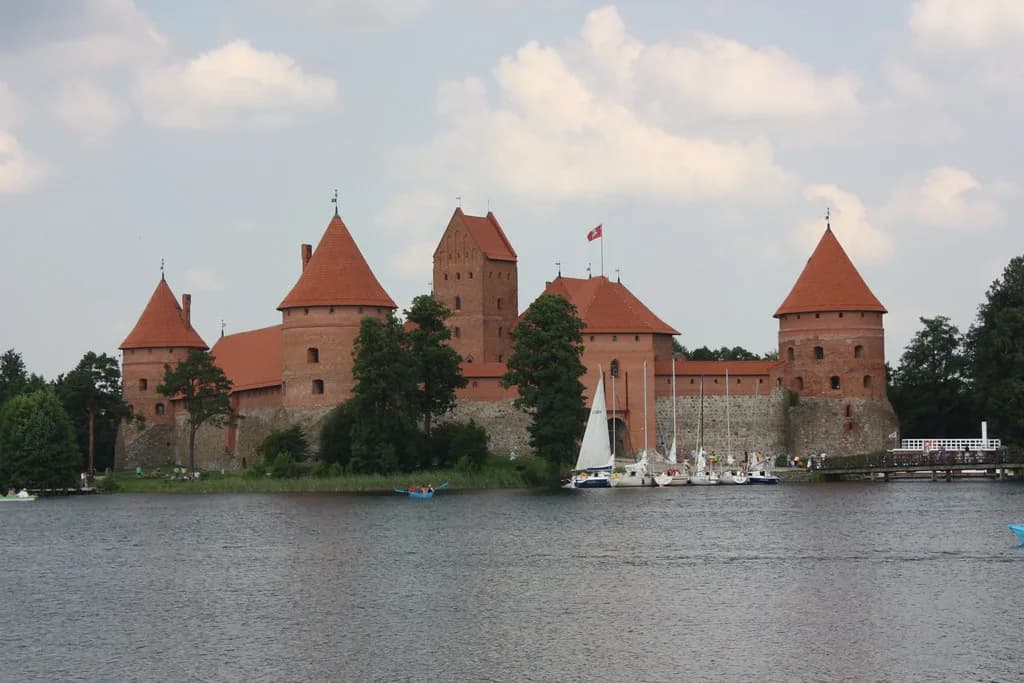
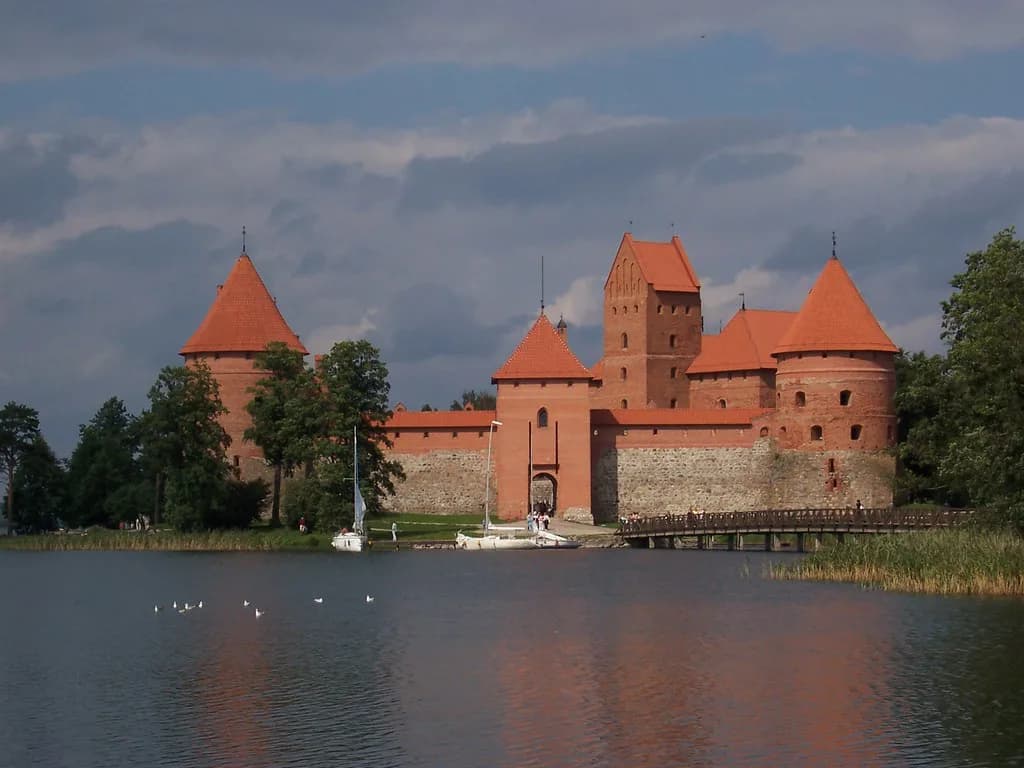
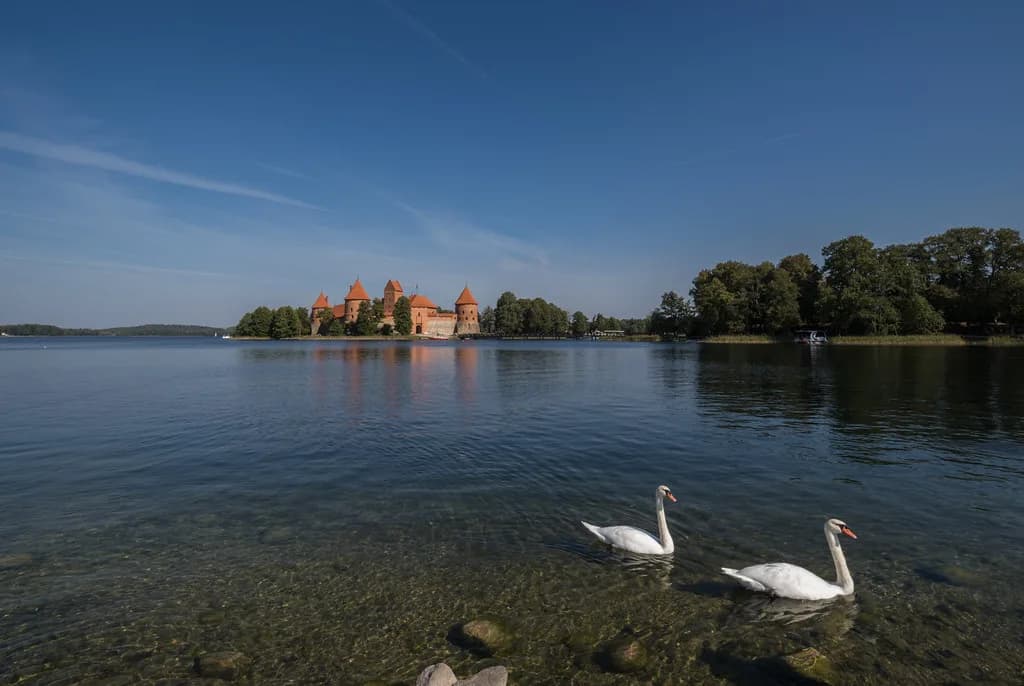
Trakai is the obvious one: a lakeside town with a red-brick island castle reached by bus or a short drive from Vilnius. It can be done in half a day, but a full day lets you walk the lake shore and visit the Karaite community's wooden houses rather than turning straight around.
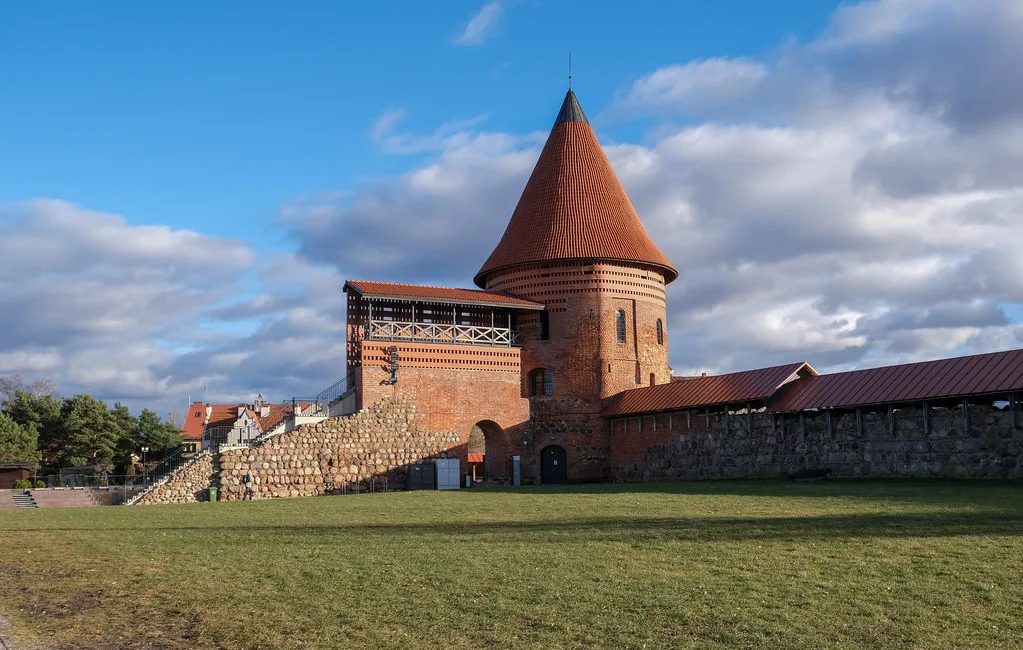
Kaunas is the better second day trip and the one people underrate. It is a real city with its own food scene, a modernist architecture trail and museums worth hours, and it is far enough from Vilnius that a half-day visit is a waste. The two are not interchangeable: Trakai is scenery, Kaunas is city.
Beyond those two, the Hill of Crosses near Šiauliai sits on the route north and is usually paired with a stop between Vilnius and the coast rather than a dedicated day trip. It is a place of pilgrimage first and a sight second, and it works best as a break in a driving day.
The coast and its limits
Klaipėda, Palanga and the Curonian Spit are not a single destination. Klaipėda is the transport hub and the old town; Palanga is the beach resort with the amber museum and the busiest summer crowds; the spit is a national park with dune landscapes, cycling and quiet villages.
The Curonian Spit is the time cost. Reaching it means a ferry from Klaipėda and then a bus or bike along the spit, and a day trip from Klaipėda only touches the northern end. Staying in Nida or Juodkrantė for a night is what makes the journey worth it, and that is the two-day coastal allocation a seven-day plan allows.
Summer is the only season the coast fully works: beach towns open up, ferries and buses run fuller schedules, and the dunes are at their best. Outside July and August the spit is quieter and cheaper but the water and the weather are unforgiving — check Lithuania in July if you are planning around the beach.
How many days in Vilnius versus Kaunas
Give Vilnius three days and Kaunas one, with a possible second if you are interested in modernist architecture or the city's museums. Vilnius is the more polished and more walkable of the two; Kaunas is the more layered and less visited, which is exactly why it deserves a night rather than an afternoon.
The split matters because it determines whether you can reach the coast. Three days in Vilnius and one in Kaunas leaves a five-day itinerary that is already full; adding the spit means committing to seven. If you only have five, either drop the coast or shorten Vilnius to two days and accept a thinner city visit.
Weather by month and how the seasons shape the plan
Lithuania has a continental climate with warm, short summers and cold winters. Typical July highs sit around 23°C (73°F) with cool nights, January averages hover near -5°C (23°F), and spring and autumn are changeable enough to reshape outdoor plans. Treat these as climate normals, not forecasts.
The season changes the itinerary's shape more than the temperature does. June and September give long daylight and manageable crowds; July and August are warmest and busiest, especially on the coast; October brings early dusk and closures at coastal attractions. If you want the shoulder-season version of this plan, see Lithuania in September.
Winter shortens the days and closes much of the coast, so a winter trip is essentially a Vilnius city break. For a city-first plan, Lithuania in October still works for museums and the Old Town, though daylight fades fast.
Peak summer is also when the coastal ferries and buses are fullest, which argues for booking the spit leg early. If you are weighing June against August, remember that Lithuania in June gives you long evenings and slightly lighter crowds than the height of the season.
Getting there and getting around without a car
Lithuania is doable without a car: Vilnius, Kaunas and Klaipėda are linked by train and bus, Trakai has frequent buses from Vilnius, and the Curonian Spit is reached by ferry and local bus from Klaipėda. The trade-off is time — rural stops and the Hill of Crosses are awkward without wheels.
A car helps on the coast and for the national parks, especially if you want to move between Palanga, Klaipėda and the spit at your own pace. Weigh renting a car in Lithuania against the rail-and-bus version: parking in Vilnius and Klaipėda is the main friction, and the cities themselves are walkable.
For the wider Baltic circuit, the capitals are connected by bus and rail and the ferries link Tallinn to Helsinki. Lithuania uses the euro, so there is no currency switch when you cross into Latvia and Estonia.
If you are driving, check the rental terms and any road charges with the rental company before you book; the details vary by company and route. One practical note for any trip: Lithuania plug type is the standard European two-pin, so US appliances need an adapter.
Typical costs by trip length, in words
Lithuania is a mid-priced European destination: cheaper than Scandinavia or Germany, broadly comparable to Poland and more affordable than the Nordic capitals. Three days in Vilnius is the cheapest plan, seven days with the coast adds transport and a night or two by the sea, and a ten-day multi-country circuit adds the most because you pay for several cities.
Costs vary by season and by how much you move: a fixed Vilnius base is cheaper than a coast-and-capital loop, and July prices on the coast sit well above September. Compare quotes in euros for the dates you want rather than working from averages.
Baltic-wide add-ons: Vilnius, Riga, Tallinn and Helsinki
Adding Riga and Tallinn turns Lithuania into a Baltic capitals trip, and Helsinki is reachable by ferry from Tallinn if you want a fourth stop. The trade-off is that each capital gets two days or fewer, which is fine for a first overview and thin for anyone who wants depth in Vilnius.
The alternative is to spend the extra days inside Lithuania, using Vilnius as a base and adding Trakai, Kaunas and the coast. For travelers who value one country done well over four capitals seen quickly, that is the better call — and it is cheaper, since you skip two extra city stays.
Who should choose a different country
Skip Lithuania if you want guaranteed beach weather, big alpine scenery or a single-city trip built around nightlife. The Baltic summer is short and unreliable, the coast is a long detour from the capital, and the country's strengths are cities, history and quiet landscapes rather than resort glamour.
Choose somewhere else for a winter sun trip or a first European visit built on famous monuments. Lithuania rewards travelers who like layered cities, twentieth-century history and unhurried countryside. For a broader shortlist of what to see where, see the best places to visit in Lithuania.
Verdict by traveler type
City-break travelers: three days in Vilnius, no more. History-focused travelers: seven days with Vilnius, Kaunas and the Ninth Fort. Beach and nature travelers: seven days built around the Curonian Spit in July or August. Multi-country travelers: ten days across the Baltic capitals, accepting two days per city.
Families and slower travelers should lean toward the seven-day plan and treat the coast as the highlight, while anyone on a tight schedule should keep the car out of the equation and stick to the rail and bus spine. None of these plans needs more than a week inside Lithuania.
Plan Your Trip
Book seven days if you can: three in Vilnius, one in Kaunas or Trakai, and two on the coast around Klaipėda and the Curonian Spit. That plan gives you the country's strongest city, its most interesting second city and the landscape that makes the journey west worthwhile.
If your dates are fixed to a long weekend, take the three-day Vilnius plan and skip the coast without regret. If you are building a Baltic circuit, ten days across Vilnius, Riga and Tallinn is a coherent choice — just be clear that Lithuania is one part of it rather than the whole trip.
Explore more Lithuania trip-decision guides
Frequently Asked Questions
How many days do you need in Lithuania?
Seven days is the right length for a first trip: three in Vilnius, a day trip to Trakai or Kaunas, and two on the coast. Three days works for a Vilnius-only city break, and ten days is only worth it if you are adding Latvia and Estonia.
Is 3 days in Vilnius enough?
Yes, for the city itself. Three days covers the Old Town, Užupis, the museum quarter and one day trip to Trakai or Kaunas. It does not leave time for the coast, which is a separate journey west.
Is Kaunas worth a day of a Lithuania itinerary?
Kaunas deserves a full day and a night rather than a half-day stop. It has the country's strongest interwar modernist architecture, a reviving old town and museums that reward time, and it is a genuine city rather than a sight.
Should you add the Curonian Spit to a Lithuania itinerary?
Add it if you have seven days. The spit needs a ferry from Klaipėda and a bus or bike ride along the sandbar, and a day trip from Klaipėda only reaches the northern end. Staying a night in Nida or Juodkrantė is what makes the detour worthwhile.
What is the best time to visit Lithuania?
June and September give long days and manageable crowds, while July and August are warmest and busiest on the coast. Winter shortens the days and closes much of the coast, so a cold-season trip is effectively a Vilnius city break.
Can you do a Lithuania itinerary without a car?
Yes. Vilnius, Kaunas and Klaipėda are linked by train and bus, Trakai has frequent buses from Vilnius, and the Curonian Spit is reachable by ferry and local bus. A car helps for rural stops and the national parks but is not essential.
How much does a Lithuania trip cost?
Lithuania is mid-priced for Europe, cheaper than Scandinavia and broadly comparable to Poland. A Vilnius-based city break costs least, a seven-day trip with the coast adds transport and seaside nights, and a multi-country Baltic circuit costs most. Compare quotes in euros for your dates.
Sources
Trip-decision notes
Optional updates when we publish or revise a destination verdict.
You might also like

Continue reading
More guides you'll find useful