Is Lithuania Expensive? Real Trip Costs for Travelers
Lithuania is mid-priced for the region and cheaper than Western Europe. Here is what food, transport and sightseeing cost, and where budgets stretch further.
On this page
Lithuania is not an expensive country to visit, but it is no longer the bargain of the Baltic. Expect mid-range prices by Central European standards and clearly lower ones than Germany, the Netherlands or Scandinavia, with the euro used everywhere so there is no currency friction. The real budget question is where you spend: a Vilnius Old Town table and a July coastal bed cost far more than the same money in Kaunas or a small town.
This guide separates what travelers actually pay from the salary and rent figures that dominate relocation pages. If you are still deciding whether the country earns a place on your route, is Lithuania worth visiting covers the case for going at all; here the focus is what the trip costs once you have decided.
The verdict: mid-priced by regional standards, cheap by Western European ones
Lithuania lands in the middle of the price range for the region: cheaper than Germany or the Nordics, more expensive than Poland, and broadly comparable to Latvia. Everyday costs such as a coffee, a bakery lunch, a city bus ticket and a museum entry are modest, and the expensive part of a trip is usually accommodation in peak season rather than food or sightseeing.
The country's own cost debate is about residents, not visitors. Lithuanian coverage argues that ordinary people carry a heavy tax and price burden relative to take-home pay, which is a useful signal that local costs have risen but says little about what a traveler's week costs.
Treat Lithuania as a comfortable mid-budget destination: you can travel cheaply with buses, bakeries and public transport, or spend noticeably more on Old Town dining and coastal stays in high summer. It is rarely a place where a normal traveler feels priced out.
Who Lithuania suits on a budget and who should look elsewhere
Budget travelers do well in Kaunas, Šiauliai, Panevėžys and smaller towns, where food and lodging run below Vilnius levels and the sightseeing is just as good. Vilnius is still affordable by Western European standards but has the country's most tourist-tilted pricing, especially in the Old Town.
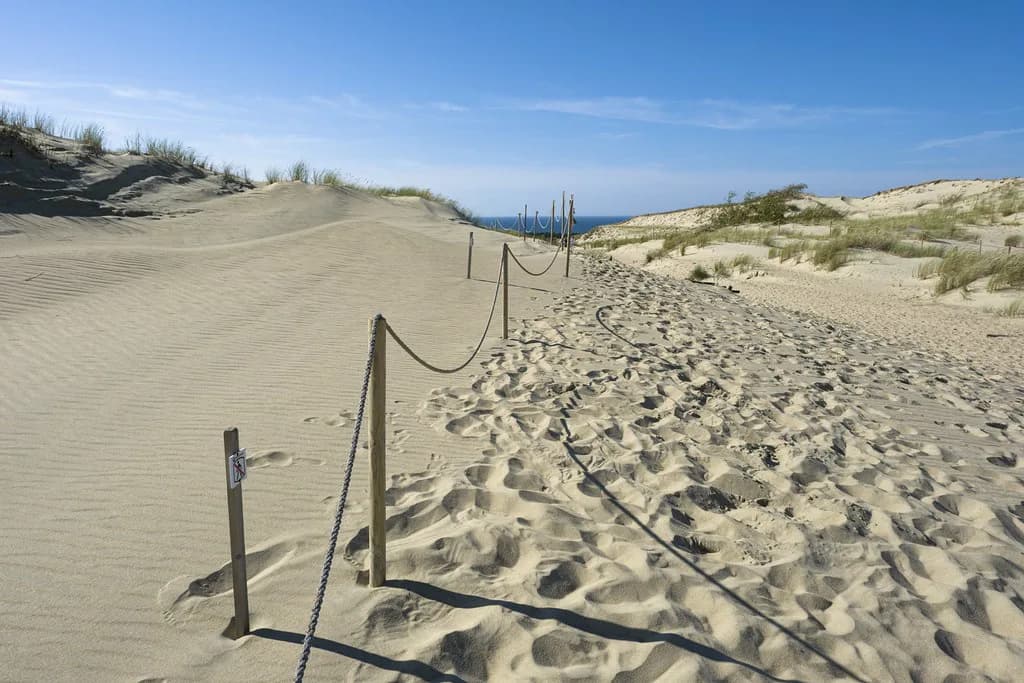
Travelers who want beach time should know that the Curonian Spit and Palanga concentrate demand into a short summer window, so late June through August is when coastal beds and restaurants cost most. If your priority is a cheap seaside week, look at May, June or September instead, when the best time to visit Lithuania balances weather against crowds and rates.
Travelers who need big-city polish, English menus everywhere and dense luxury dining will find Vilnius smaller and quieter than they expect, and those chasing guaranteed hot weather should look further south. Lithuania rewards people who like forests, lakes, castles and walkable old towns rather than resort infrastructure.
What things cost: food, drink, transport and entry tickets
Food is where Lithuania stays friendly. A casual lunch of soup, a main and a drink in an ordinary café costs a modest amount by Western European standards, and bakeries, canteen-style spots and market halls keep self-catering cheap. The premium appears in Vilnius Old Town, where restaurants facing the main squares charge noticeably more for similar food than places a few streets out.
Alcohol and coffee are inexpensive relative to Western Europe, which is why Vilnius has a lively café and bar culture without the price shock of a Scandinavian or German city. Museum and sightseeing tickets are also modest, and many of the best experiences — walking the Old Town, the Curonian Spit dunes, city parks — cost nothing beyond transport.
For intercity travel, buses are the value option and reach nearly every town, while trains are comfortable on the main Vilnius–Kaunas and Vilnius–Klaipėda corridors. Fares change, so buy through the carrier's own site or app on the day you travel rather than trusting an old figure.
Vilnius versus Kaunas and Klaipėda: where your money goes further
Vilnius is the most expensive city for a visitor, driven by Old Town restaurants, boutique lodging and proximity to the airport. Its sights are still cheap, and walking between the Cathedral, Gediminas Castle Tower and the former ghetto area costs nothing, so you can spend a full day on very little.
Kaunas gives you the country's best value city break: a compact, lively old town, interwar architecture and a strong café scene at prices below the capital. Klaipėda is the gateway to the coast and priced more moderately than Vilnius except in the July–August peak, when the whole seaside region tightens.
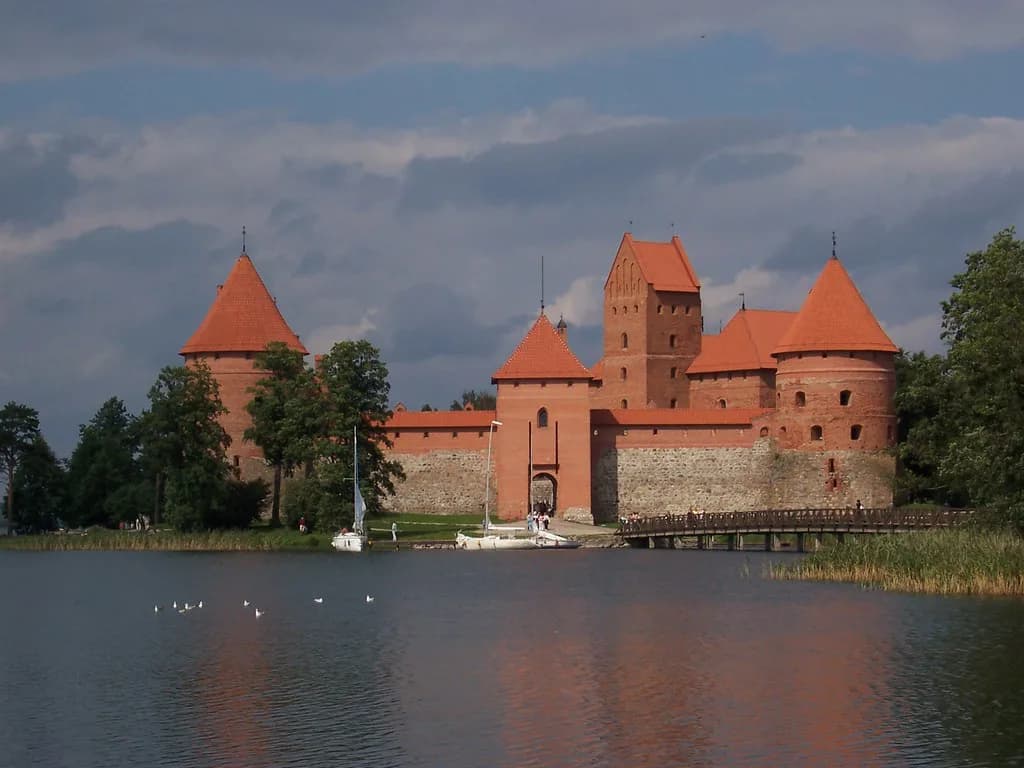
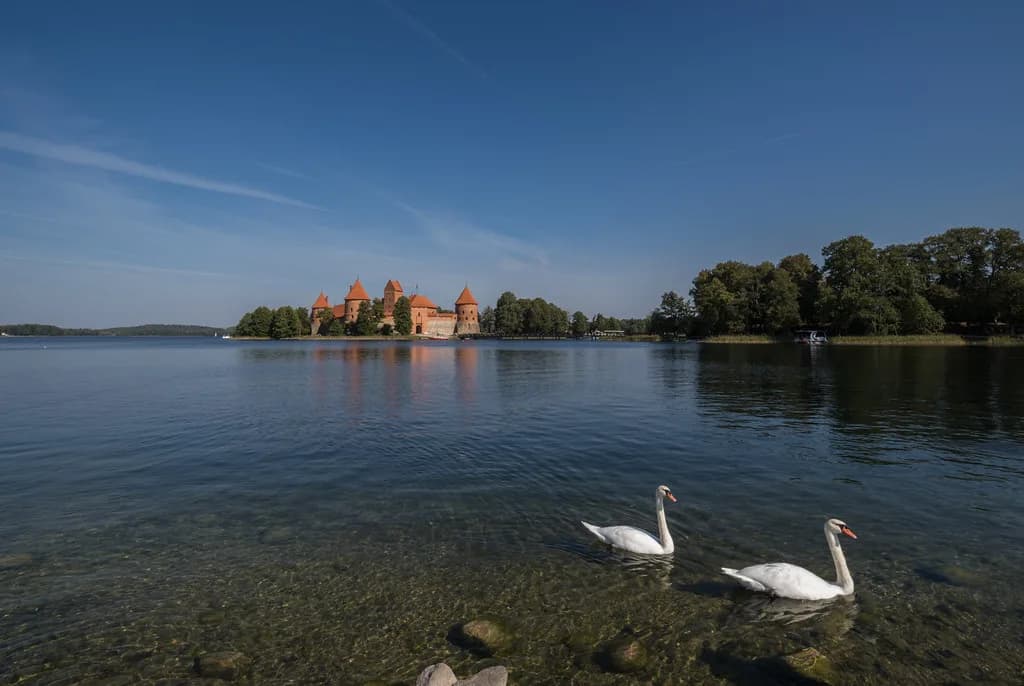
Day trips are where Lithuania's low costs really show. Trakai and its island castle sit within easy reach of Vilnius, and Aukštaitija National Park is a realistic outing if you have a car, which is why renting a car in Lithuania can undercut a sequence of guided tours for two or more people.
Typical daily budgets: shoestring, mid-range and comfortable
A shoestring traveler in Lithuania can get by on a low daily figure by staying in hostels or simple guesthouses, eating bakery food and canteen lunches, using buses and trains and skipping paid attractions. That style works well outside Vilnius, where dorm beds go for less and the sightseeing is largely outdoor.
A mid-range trip — a private room, a proper restaurant dinner, a few museum tickets, intercity buses and the occasional taxi — lands in the middle of the range for Central Europe, noticeably under German or Dutch levels. Comfortable travel, with a good hotel in Vilnius, coast time on the Curonian Spit and guided excursions, pushes toward Western European city-break spending but still falls short of it.
Published monthly cost figures for residents, such as the estimates that put a single person around a few thousand euros a month including rent, are not traveler budgets and should not be used to plan a trip.

Transport costs: buses, trains and city passes
Vilnius, Kaunas and Klaipėda all have cheap public transport, and a single ticket bought in the city app costs little; a day or multi-day pass usually pays off after several rides. Validate on board or in the app, and note that some city systems price by journey rather than time.
Intercity buses are the budget backbone, running frequently between the main cities and to smaller towns, while trains are comfortable and reasonably priced on the Vilnius–Kaunas and Vilnius–Klaipėda lines. For the Curonian Spit you pay the ferry crossing at Klaipėda plus a local bus or your own vehicle, so factor both into the day.
A car makes sense for national parks, the Hill of Crosses and rural manor country, but adds fuel, parking in city centers and a vignette question, so check the rental terms and road rules before booking.
When prices peak and when they soften
July and August are the peak: coastal towns fill for the short Baltic summer, Vilnius has its busiest festival weekends and lodging rates rise accordingly. The Curonian Spit and Palanga are most affected, so book those beds early or pick another month.
Shoulder months are the traveler's value play. September keeps warm-enough days and lower rates, and Lithuania in October brings cheaper beds in the cities as the season winds down; May and June offer long daylight and moderate prices before the coastal rush.
Outside the summer window, some coastal and rural businesses shorten hours or close for the season, so a cheap winter trip can mean fewer open restaurants and attractions. If you want the full range of things to do, the shoulder season is the better trade.
Drawbacks: the tourist-centre premium and card-only traps
The main budget leak is location: restaurants and bars on or just off Vilnius Old Town's main squares charge tourist prices, and the same dishes cost far less a short walk away. Walk two or three streets back toward the station or Užupis edges and the bill drops.
Payment habits can catch out travelers carrying only cash or only cards. Some small cafés and market stalls prefer cash, while many city services and transport apps are card-only, so carry a small amount of euro cash alongside a card.
Trains and ferries can sell out on summer weekends, so buy intercity tickets in advance on the carrier's site and choose a departure that suits your day rather than relying on walk-up seats in August.

How Lithuania compares with Poland and Latvia
Poland is generally the cheaper of the three on food, drink and lodging, with more competition and bigger cities to absorb demand. Lithuania costs more than Poland for similar experiences but offers a smaller, quieter and greener version of the same trip.
Latvia is close to Lithuania on price, with Riga's center priced like Vilnius and the countryside comparable. Lithuania often comes out slightly cheaper for food outside the capital, while the two countries' capitals are close enough that the difference is not worth planning around. If you are weighing the two neighbors, our Estonia verdict and the question of whether Latvia is worth visiting apply the same budget test to the rest of the Baltic.
Compared with Western Europe, all three are cheap; the honest ranking puts Poland first on value, Lithuania and Latvia roughly level behind it, and Western Europe well above both. If your trip is a Baltic loop, budget the same daily allowance for Lithuania and Latvia and slightly less for the Polish leg.
Is Lithuania expensive to live in, not just visit?
Living costs are a different question, and most search results answer that one rather than the traveler's. Relocation guides describe rising Lithuanian salaries, rents in central Vilnius and family budgets that are far above what a visitor spends in a week, so read them as resident data rather than trip costs.
The same pattern appears in comparative cost indexes, which put Lithuanian living costs well below Western European capitals but above most of Eastern Europe. If you are moving rather than visiting, use those resident figures; if you are traveling, ignore them.
Travelers with a working-holiday or remote-work plan should head to the official Lithuanian migration site for permit rules, and budget from local rent and salary data rather than visitor guides. Entry and residence rules are set by the state, not by tour operators.
Verdict by traveler type
Budget backpackers: Lithuania is a good-value country, especially outside Vilnius, with cheap buses, bakeries and free outdoor sightseeing. Mid-range couples: expect Western European comfort at clearly lower prices except on the July coast. Families: self-catering and public transport keep a week reasonable, and the parks and beaches are free.
Luxury travelers will find Vilnius pleasant but small, with a limited top-end hotel and restaurant scene compared with bigger capitals; the money goes further here, but the choice is narrower. Anyone planning a Baltic loop can treat Lithuania as the affordable middle leg.
If you want a city break on a modest budget, Vilnius or Kaunas delivers; if you want a cheap beach week, aim for June or September and skip peak July. Before booking, read the honest Lithuania verdict, and check the plug type if you are bringing adapters for your own devices.
Plan Your Visit
Lithuania is affordable for most travelers, with the main costs concentrated in Vilnius Old Town dining and the short July–August coastal season. Book shoulder-month beds, eat a street back from the main squares, and use buses and trains to keep the daily figure low.
Two rules keep the budget honest: check current fares for intercity travel rather than an old guide's figure, and treat resident salary and rent figures as a separate question from your trip. With those in place, Lithuania is a comfortable, mid-priced country that rarely surprises you at the till.
Explore more Lithuania trip-decision guides
Frequently Asked Questions
Is Lithuania expensive compared with Western Europe?
No. Food, transport and sightseeing cost clearly less than in Germany, the Netherlands or Scandinavia, and the euro makes budgeting simple. The gap is smallest in Vilnius Old Town restaurants and on the coast in July and August.
Is Lithuania cheaper than Poland?
Poland is generally cheaper for food, drink and lodging, so Lithuania sits a step above it. Latvia and Lithuania are close on price, which makes a Baltic loop easy to budget with one daily allowance for those two and slightly less for Poland.
How much should I budget per day in Lithuania?
A shoestring day with hostel lodging, bakery food and public transport is low, a mid-range day with a private room and restaurant dinner is moderate for Central Europe, and comfortable travel with good hotels and tours approaches Western European city-break levels. Prices vary by season, so check current rates for your dates.
When is Lithuania most expensive for travelers?
July and August, when the Curonian Spit and Palanga fill for the short summer and Vilnius has its busiest weekends. May, June, September and October usually bring lower rates and fewer crowds, though some coastal businesses shorten hours outside summer.
Is Vilnius more expensive than other Lithuanian cities?
Yes, mainly for dining and lodging in the Old Town. Kaunas and Klaipėda are cheaper for similar quality, and smaller towns are cheaper still. Museum tickets and public transport stay modest everywhere.
Is Lithuania expensive to live in as well as visit?
Living costs are a separate question and have risen, with rents and salaries in Vilnius well above what a visitor spends. Relocation guides and cost-of-living indexes give resident figures; use them for a move, not for planning a trip.
Do I need cash in Lithuania?
Lithuania uses the euro and cards are widely accepted, but some small cafés, market stalls and rural businesses prefer cash. Carry a modest amount of euro cash alongside your card, and use city transport apps where cards are required.
Does renting a car add much to a Lithuania trip?
A car is worth it for national parks, the Hill of Crosses and rural areas, but adds fuel, city parking and rental costs. For two or more people it often beats guided tours; for city-only trips, buses and trains are cheaper.
Sources
Trip-decision notes
Optional updates when we publish or revise a destination verdict.
You might also like

Continue reading
More guides you'll find useful