Lithuania Travel Tips: Practical Advice for a First Trip
Practical Lithuania travel tips: when to go, how to link Vilnius, Kaunas and the Curonian Spit, how many days you need, and the trade-offs worth knowing.
On this page
Lithuania is worth a trip because one small country hands you three different holidays: a baroque capital, a design-minded second city and a UNESCO-listed sandspit on the Baltic. Build the trip around Vilnius, Kaunas and the Curonian Spit coast and the pieces link up by bus, train or a short rental-car loop. This guide is about the decisions — season, days, bases and transport — rather than a list of sights.
Who Lithuania suits, and who should choose elsewhere
Lithuania rewards travelers who want cities with real texture rather than a greatest-hits coastline. Vilnius packs Gothic, Renaissance, baroque and neoclassical architecture into a walkable Old Town, while Užupis, the self-declared artists' republic across the river, adds a bohemian counterweight of street art and café courtyards. Kaunas brings interwar Modernist architecture and street art without the crowds of a capital, and the Curonian Spit delivers dunes, pine forest and quiet fishing villages.
Choose a different Baltic trip if you want guaranteed beach weather, a dense restaurant-and-bar scene or a compact old town you can exhaust in a weekend. Lithuania's coast is seasonal and its pleasures are spread out, so a carless traveler who dislikes planning transport will find Riga or Tallinn easier going. If your priority is cheap city breaks with fast connections, Lithuania still works — but treat it as three stops, not one.
When to go: late April to August for warmth, September for quieter streets
Late April through August is the window most first-timers use, with the warmest weather running into August. The Baltics are unpredictable, so build in flexibility for rain rather than expecting a settled forecast. From September temperatures fall steadily, and the first snow generally arrives around November.
September is the sweet spot for city travelers: the summer crowds thin in Vilnius and Kaunas while the coast remains walkable, though swimming gets bracing. November to March brings cold, short days and a much quieter museum-and-café rhythm, which suits some travelers and frustrates others. Long summer evenings are a genuine practical advantage — you can sightsee well past dinner without watching the clock.
How many days you need
A city break of two or three nights covers Vilnius Old Town, Gediminas Tower and Užupis comfortably, with a half-day spare for the Trakai run. A one-week loop adds Kaunas and the coast: Vilnius, then Trakai and Kaunas, then Klaipėda and the Curonian Spit. That rhythm keeps travel days short and leaves time for the dunes and a beach afternoon.
Ten days buys the inland additions: Aukštaitija National Park's lakes and ethnographic villages, the Kernavė archaeological hillforts and the Hill of Crosses pilgrimage site near Šiauliai. A ten-day private circuit covering Vilnius, Trakai, Kaunas, Palanga, Klaipėda, the Curonian Spit, Šiauliai, Pakruojis Manor, Aukštaitija, Labanoras Regional Park and Kernavė shows how much driving that pace involves. Most travelers get more value from three bases than from a loop that moves every night.
Getting there: Vilnius and Kaunas airports
Vilnius Airport serves the capital and Kaunas Airport sits a short ride from the second city, so an open-jaw ticket — into one, out of the other — removes a backtrack. Fly into Vilnius and out of Kaunas if you finish inland; reverse it if the Curonian Spit is your finale and you want to end near Klaipėda. Check visa and entry rules on the official Lithuanian government or Schengen page before booking, since they depend on your nationality.
Getting around: buses, trains and where a car earns its keep
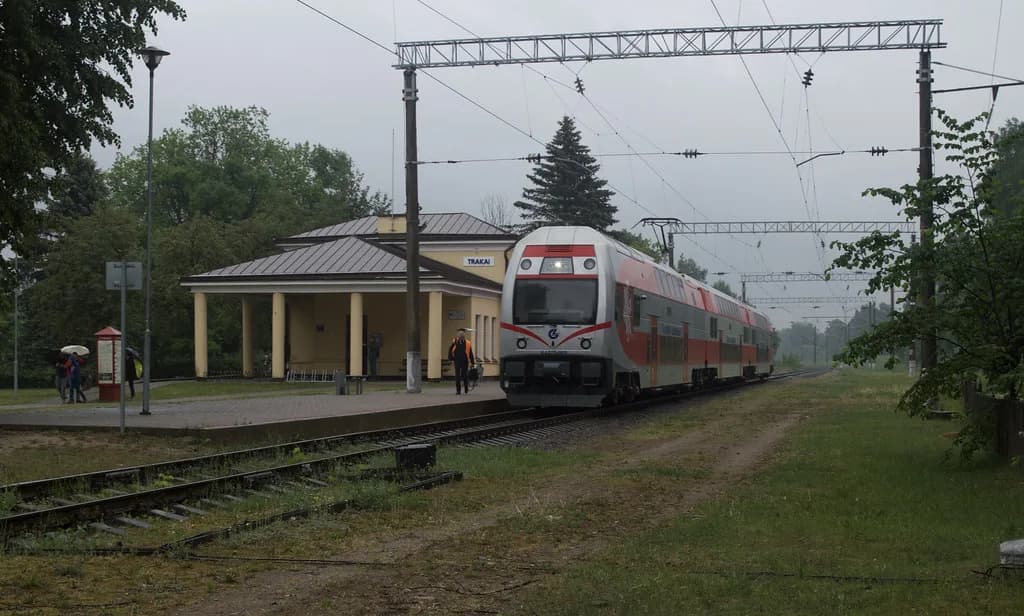
Buses are the budget backbone, running cheap, fast daily services across the country and into the neighboring Baltic states. Trains are fast, cheap and convenient but mostly limit you to the cities, so they suit the Vilnius–Kaunas leg rather than village-hopping. For the Curonian Spit and Aukštaitija's lakes, a car makes the difference between a schedule and a holiday.
Car rental is comparatively affordable by European standards and the roads are well maintained, which is why self-drive loops work well here. If driving in a foreign country sounds stressful, a car with a driver gives the same freedom without the navigation; guided walking tours in Vilnius, Trakai, Kaunas and Klaipėda are the alternative for city days. The one link that catches people out is the Curonian Spit ferry from Klaipėda, where vehicles cross to the spit and traffic queues in high summer.
Vilnius: the Old Town, Gediminas Tower and Užupis
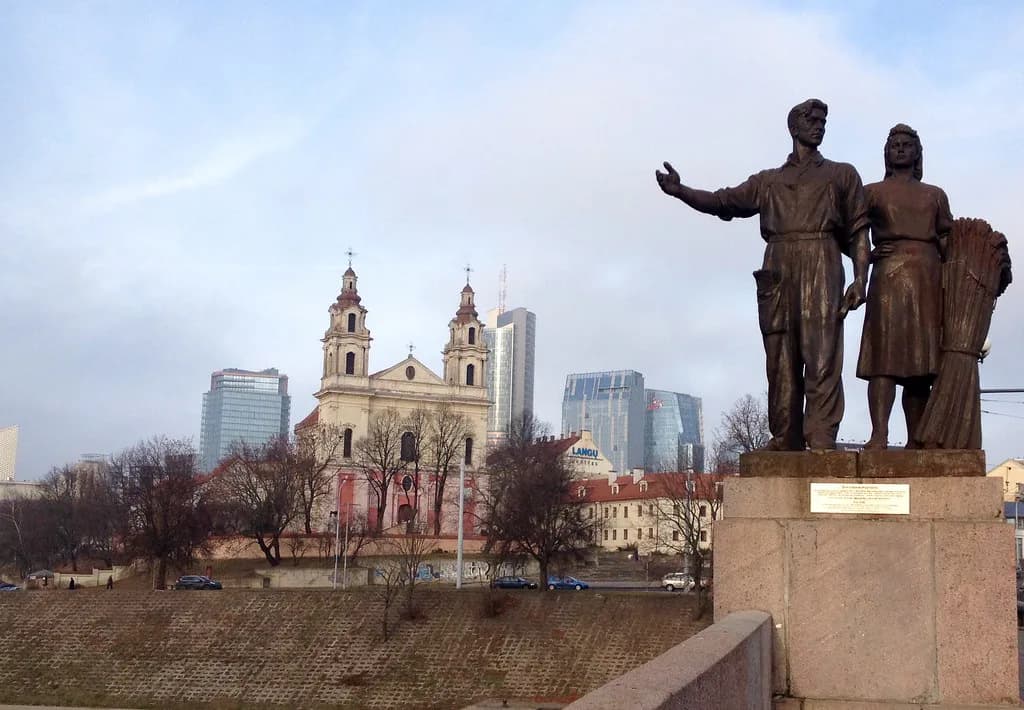
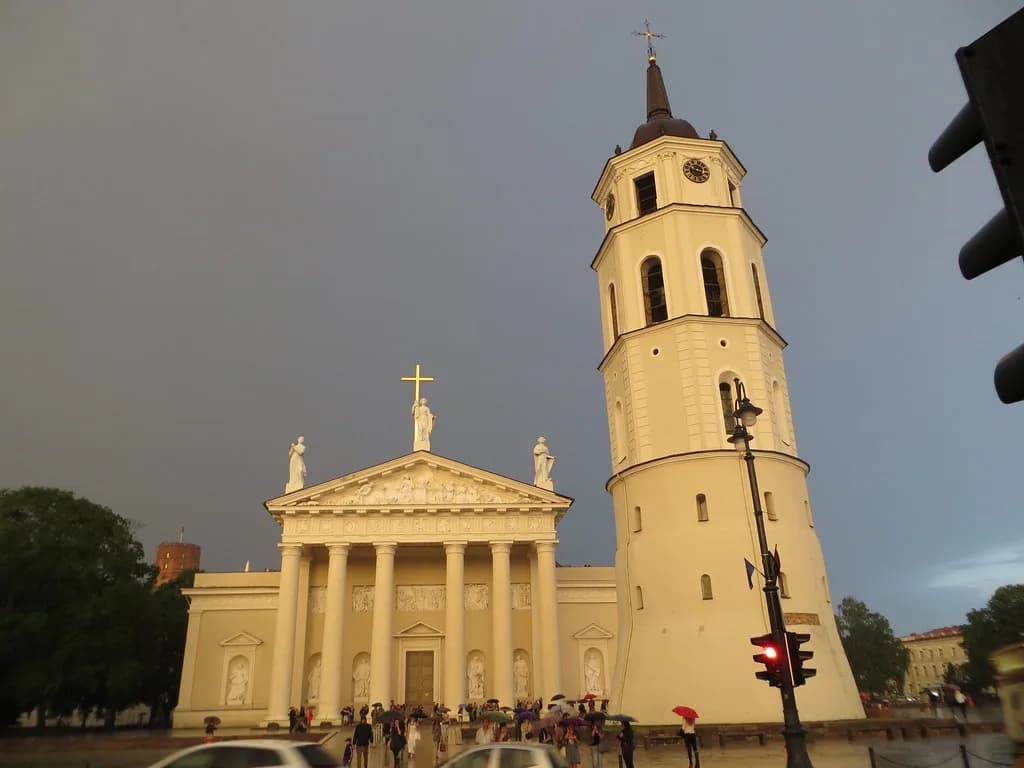
Give Vilnius a day and a half at minimum. Start with the Old Town's baroque core, walk up to Gediminas Tower for the panorama over the rooftops and the Neris River, and finish across the river in Užupis, where street art, courtyard studios and a café culture reward slow wandering. Vilnius Cathedral anchors the square below the tower and is worth a look for its neoclassical scale.
The practical friction is timing: museums tend to keep earlier hours than restaurants, so sightsee in the morning and leave the long evenings for walking and eating. Summer light lasts so late that an after-dinner stroll through the Old Town is realistic. In July the city is at its liveliest and its busiest, which is a fair trade for warm weather and full terraces.
Kaunas: interwar Modernism and the Aleksotas funicular
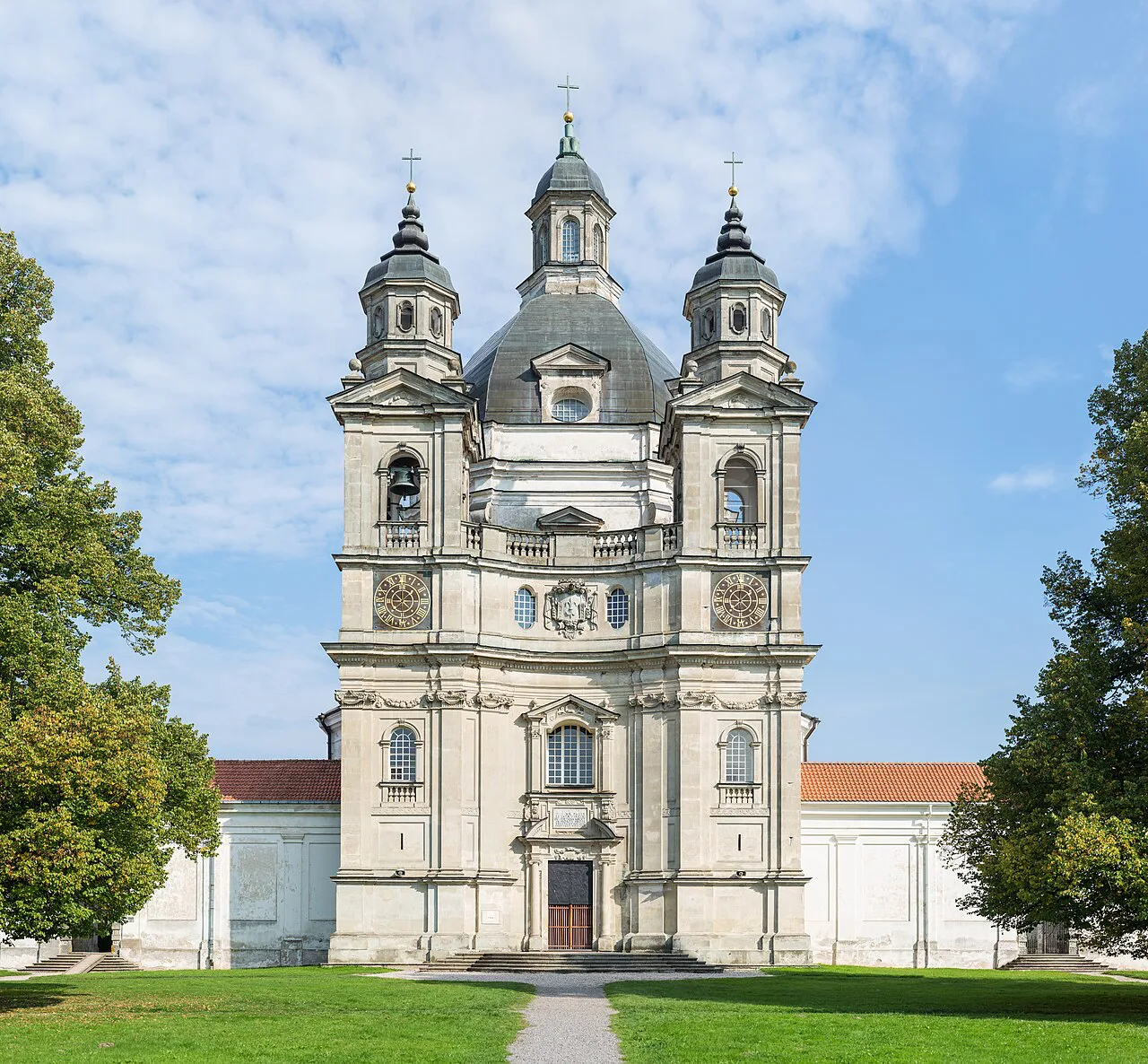
Kaunas is a headliner, not a footnote. Its interwar Modernist architecture, much of it Art Deco, earned the city UNESCO recognition, and the Old Town around Town Hall Square adds the fifteenth-century House of Perkūnas and the fourteenth-century Kaunas Castle at the confluence of the Neris and Nemunas rivers. Street art fills the gaps between the buildings.
Ride the Aleksotas funicular, running since 1935, up to the hill for the best panorama of the city — it is a five-minute pleasure rather than a sight in itself. One full day covers the centre and Old Town; two days let you slow down over the Modernism trail. Kaunas sits close enough to Vilnius to work as a day trip, but staying the night means you see the architecture without rush.
Trakai Island Castle and Lake Galvė
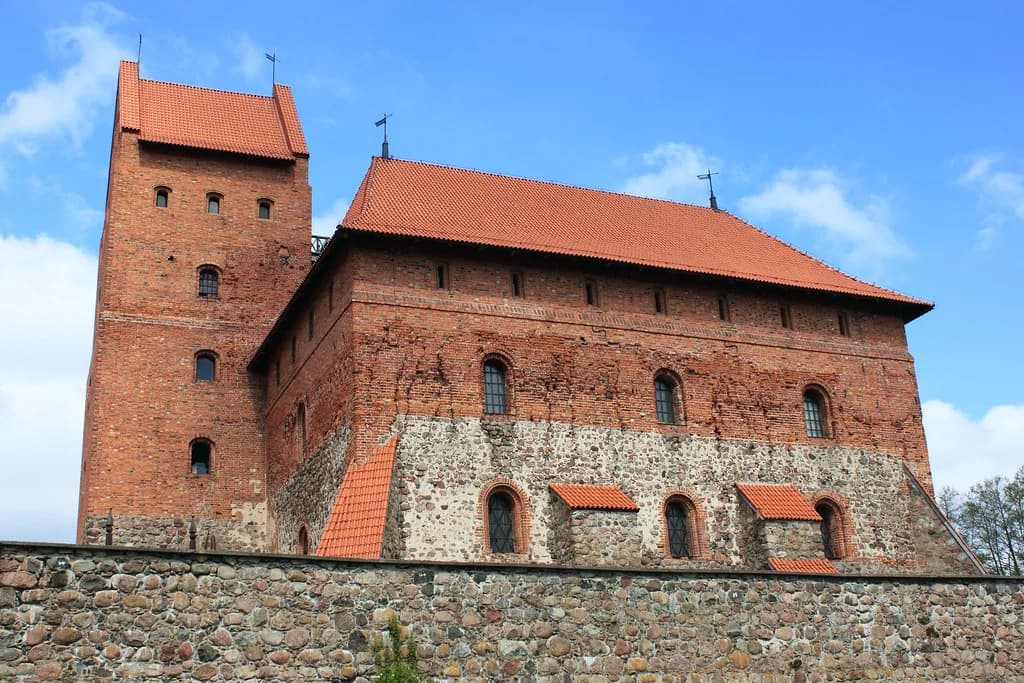
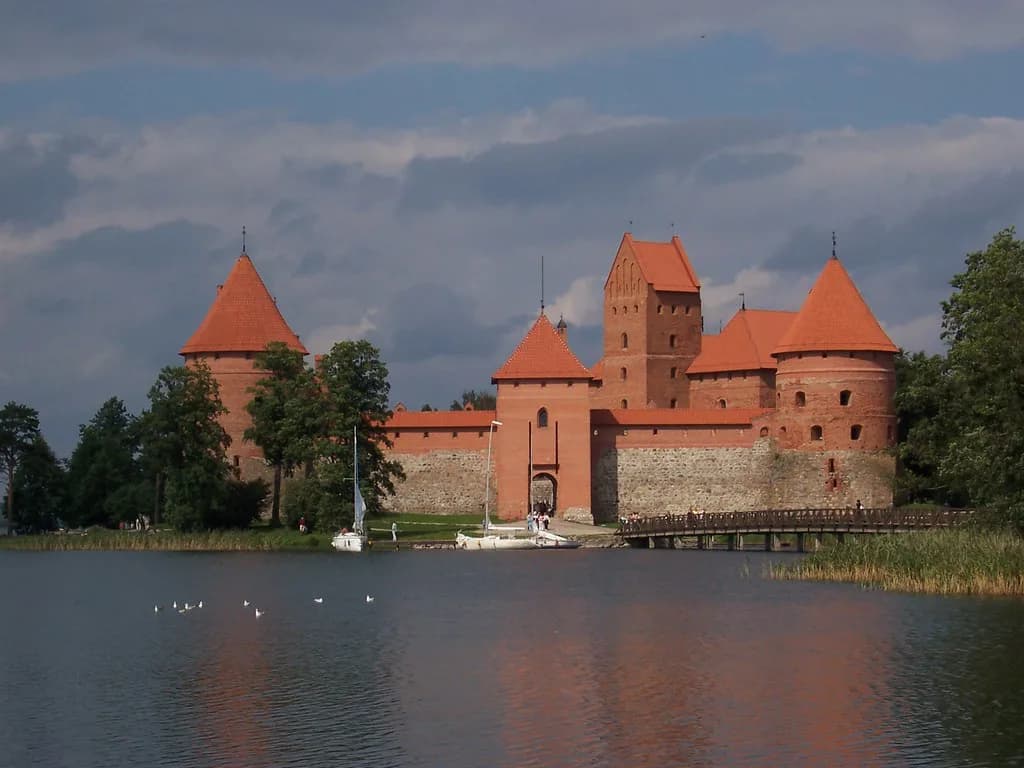
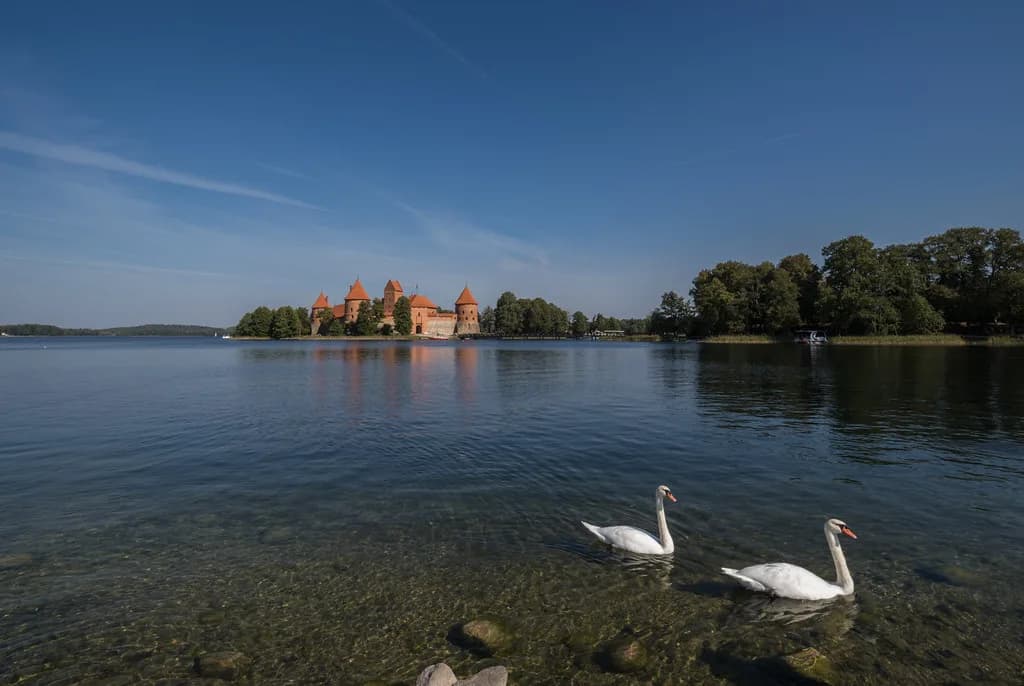
Trakai Island Castle, a red-brick Gothic fortress on an island in Lake Galvė, is the classic half-day from Vilnius and the country's most photographed monument. The castle houses the Trakai History Museum, so the visit combines the setting with the Grand Duchy story. Trakai town itself is home to the Karaite community, whose presence in Lithuania dates to the medieval period and shows up in the local food.
Plan Trakai for a weekday morning if you can: it is the day trip everyone makes, and the castle courtyard and lakeside paths feel very different without coach groups. From Vilnius it is a short ride by road or rail, which makes it easy to combine with an afternoon back in the capital. The lake setting is the reason to go, so leave time to walk the shore rather than turning straight around.
The Curonian Spit: Klaipėda, Nida and the dunes
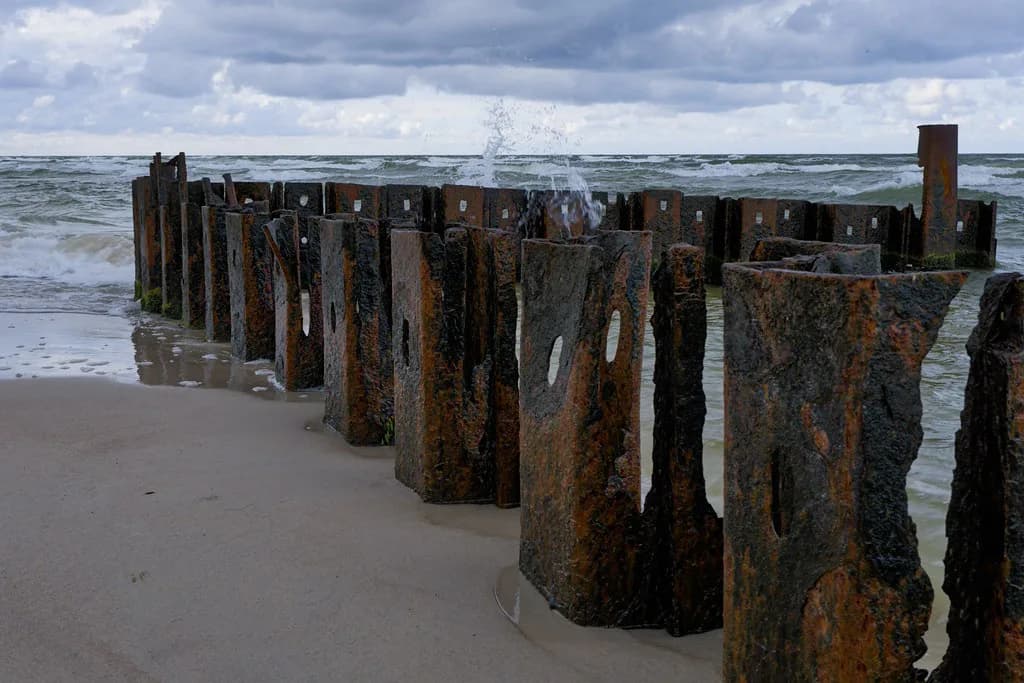
The Curonian Spit is nearly 100 kilometers of pine forest, sand dunes and small fishing villages strung between the lagoon and the Baltic, and it justifies the trip on its own. Base yourself in Nida for the Parnidis Dune, the sundial and the dead dunes at Nagliai Nature Reserve, where drifting sand once buried villages. Juodkrantė's Hill of Witches, a hillside of carved wooden figures drawn from Lithuanian mythology, is the other essential stop.
Klaipėda is the gateway, a port town with German-influenced architecture that feels distinct from the rest of Lithuania, and its Dane River promenade makes a pleasant half-day. From there a ferry crosses to the spit, so plan the crossing around traffic in July and August rather than assuming you can roll on. On the spit, bicycles and walking paths do more for you than the car once you are parked.
Palanga, the country's best-known seaside resort, adds a 470-meter pier and the Amber Museum in Birutė Park, which holds one of the world's largest amber collections with roughly 30,000 exhibits. It is the busiest coastal town in high season and the most family-friendly. The trade-off is straightforward: Palanga for facilities and sand, Nida for dunes and quiet.
Inland alternatives: Aukštaitija, Kernavė and the Hill of Crosses
Aukštaitija National Park is the oldest national park in the country, a landscape of lakes, hills and ethnographic villages where rural architecture and a slow pace are the point. Palūšė's wooden church, built without iron nails, and the Ginuciai watermill are the set pieces, and a car makes the villages reachable. Labanoras Regional Park next door adds forest and the Mindunai observation tower for a wide view over the lakes.
Kernavė, the first capital of the Grand Duchy, is an archaeological site of hillforts above the river with a reconstructed medieval settlement and a small museum — an easy stop between Vilnius and the north. The Hill of Crosses near Šiauliai is a pilgrimage site where crosses have been left since the 1830s, and its impact depends on quiet; go early or late. Both are car-friendly and awkward by public transport.
Money in Lithuania
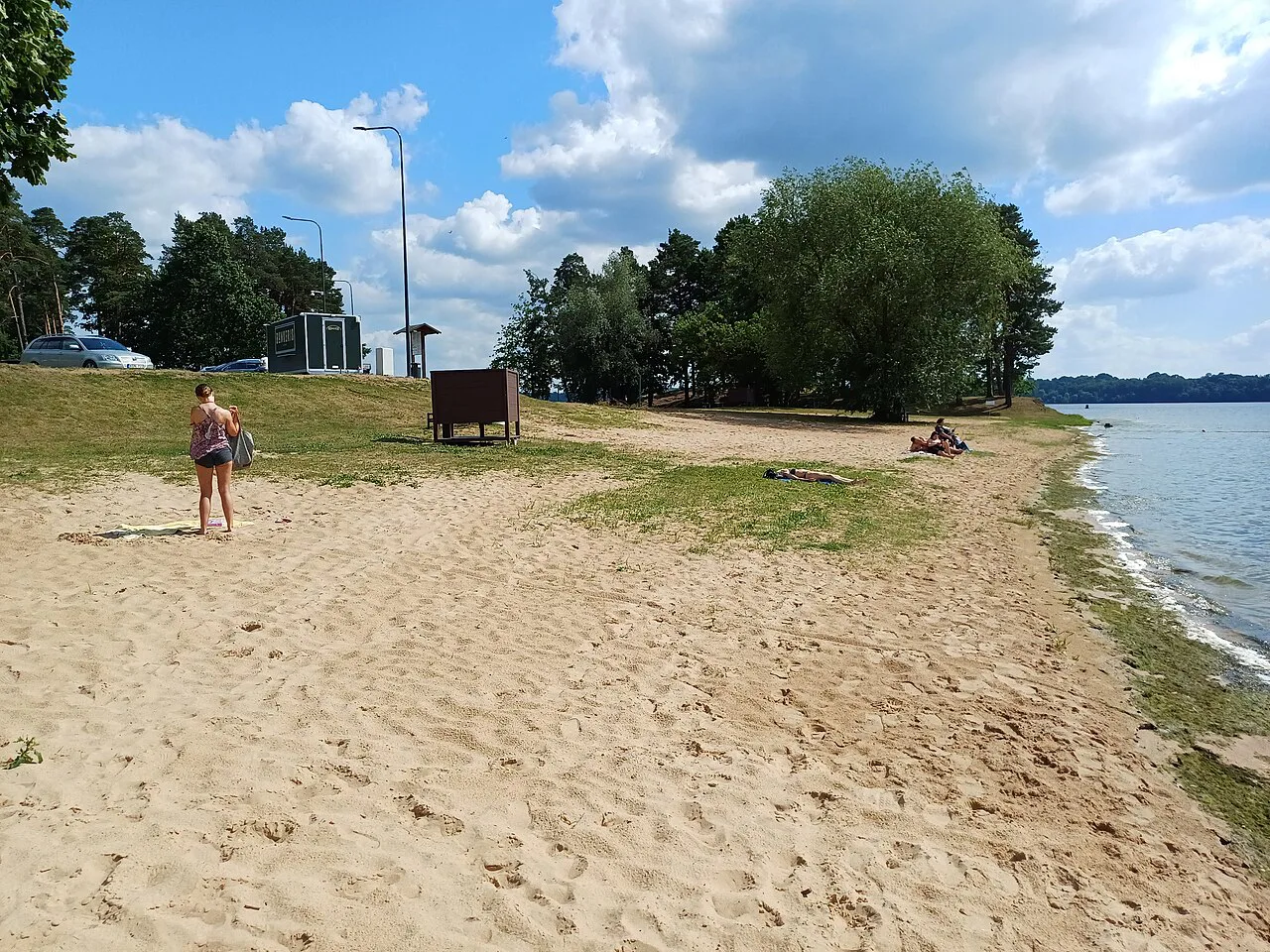
Lithuania uses the euro, so there is no currency change to manage if you are arriving from elsewhere in the eurozone. Cards are widely accepted in cities, but keep some cash for rural buses, small village shops and markets on the spit. Budget-conscious travelers find Lithuania one of the cheaper countries in Europe to travel in, with accommodation and food the main variables.
July and August push prices up on the coast, where Palanga and Nida fill and rates climb accordingly; May, June and September give better value. Guided circuits cost more per day than independent travel, but a ten-day private tour with hotels, transport and entrance tickets included shows how the costs stack up. Ask your operator or accommodation directly for current rates, since published figures date quickly.
Language and everyday habits
Lithuanian is a Baltic language, not a Slavic one, and it is not mutually intelligible with Latvian or Estonian even though the countries share a border and a history. English goes a long way with younger Lithuanians in Vilnius, Kaunas and Klaipėda, less so in villages and among older residents. Learning a few words of Lithuanian earns goodwill, and a translation app covers the rest.
Food follows a hearty, northern European rhythm: cepelinai, the zeppelin-shaped potato dumplings filled with meat, šaltibarščiai, the cold beetroot soup, and kepta duona, garlicky fried rye bread, are the dishes to try at least once. Bars and casual restaurants serve them without ceremony, and lunch is often the better-value meal. The drinking age is 20, higher than in most of Europe, which matters if you are traveling with older teenagers.
Drawbacks stated plainly
Weather is the big one: Baltic swings bring rain and cool days even in midsummer, and November to March means short daylight and grey skies. Rural public transport is sparse, so an itinerary built on villages and national parks needs a car. Museums often close earlier than you expect, and the Curonian Spit ferry and its queues can eat an afternoon in peak season.
Verdict by traveler type
City-breakers should pick Vilnius with a Trakai day trip and add Kaunas if they have a third night. Architecture fans should put Kaunas at the centre of the trip and give it two days. Nature travelers need a car and a week to do the Curonian Spit and Aukštaitija justice, while families will find Palanga the easiest coastal base with the pier, the Amber Museum and the beach in one place.
If you want a single city with minimal planning, choose Tallinn or Riga. If you want variety within a small country — baroque streets, Modernist architecture, dunes and lakes — Lithuania delivers more than its size suggests. The trip works when you accept three bases and a car or good bus planning, and disappoints when you try to see it all in four days. If you are weighing your options across the region, our Estonia verdict makes a useful comparison with the Lithuanian approach.
Plan Your Trip
Build Lithuania around Vilnius, Kaunas and the Curonian Spit, give it a week, and choose May, June or September if you want warm weather without peak-season prices. Book the Spit portion of the trip early in July and August, and decide on a car before you commit to national parks. The rest — castles, dunes, dumplings and long summer evenings — falls into place.
Frequently Asked Questions
What is the best season to visit Lithuania?
Late April through August brings the warmest weather, and September is the sweet spot for quieter city streets in Vilnius and Kaunas. November to March is cold with short days, which suits museum-and-café travelers rather than sightseers who want long evenings outdoors.
How many days do you need in Lithuania?
Two or three nights cover Vilnius and a Trakai day trip. A week adds Kaunas and the Curonian Spit coast. Ten days allows Aukštaitija National Park, Kernavė and the Hill of Crosses, though most travelers get more from three bases than from a loop that moves every night.
Do you need a car to travel around Lithuania?
No for the cities: buses and trains link Vilnius, Kaunas and Klaipėda cheaply and quickly. Yes if you want the Curonian Spit at your own pace, Aukštaitija's villages or the Hill of Crosses, where rural transport is sparse. Rental is comparatively affordable and the roads are well maintained.
What currency does Lithuania use?
Lithuania uses the euro. Cards are widely accepted in cities, but carry some cash for rural buses, village shops and markets on the Curonian Spit.
Do people speak English in Lithuania?
English is common among younger Lithuanians in Vilnius, Kaunas and Klaipėda, less so in villages and among older residents. Lithuanian is a Baltic language unrelated to its Slavic neighbors, so a few phrases and a translation app go a long way.
Is the Curonian Spit worth the trip?
Yes. The 100-kilometer sandspit combines pine forest, the Parnidis Dune, the dead dunes at Nagliai Nature Reserve and fishing villages such as Nida and Juodkrantė. The trade-off is the ferry from Klaipėda and summer traffic, so plan the crossing around peak hours.
How do you get from Vilnius to Kaunas?
Trains between the two cities are fast and cheap, and buses cover the same route with frequent daily services. Either works as a day trip, but staying a night in Kaunas lets you see the interwar Modernist architecture without rushing.
Is Lithuania expensive?
Lithuania is one of the cheaper countries in Europe to travel in, with accommodation and food the main variables. July and August push coastal prices up in Palanga and Nida, while May, June and September offer better value. Ask operators and accommodation directly for current rates.
Sources
Trip-decision notes
Optional updates when we publish or revise a destination verdict.
You might also like
Continue reading
More guides you'll find useful