Best Places to Visit in Serbia: 12 Spots Worth the Trip
The best places to visit in Serbia, from Belgrade and Novi Sad to Tara, Đerdap and the south, with honest trade-offs and the traveler each one suits.
On this page
Serbia is worth visiting if you want city energy and wild river country in the same trip. The country has no coastline, so the payoff comes from Belgrade's layers of history and concrete, Vojvodina's Habsburg towns, and the gorges and national parks of the west and east. If you are still weighing the country against Adriatic alternatives, our take on whether Serbia is worth visiting lays out the case plainly.
The practical unit is one week: two or three nights in Belgrade, a day or two in Novi Sad, then a national park or two by car. Trying to cover Belgrade, Tara, Uvac and the south in four days means most of your trip happens through a windshield, and mountain roads are slower than the map suggests.
The verdict
Come for cities paired with countryside, not for a single-stop holiday. Serbia suits road-trippers, history-minded travelers and anyone who wants a big-city weekend with mountains two hours away. Skip it if you want guaranteed beach weather or car-free access to national parks — the best landscapes here need four wheels and a tolerance for gravel.
Serbia is not a budget beach destination and does not pretend to be one. Its value is density: Ottoman and Habsburg layers within a few hours of each other, a lively cafe culture, and riverside scenery that costs nothing to look at. Set expectations around that and the country delivers.
How to read this list
Each entry below pairs a place with the kind of base that makes it work, so you can build a route rather than a bucket list. Group Belgrade and Zemun together, Novi Sad with Fruška Gora and Sremski Karlovci, and treat Đerdap, Tara and Uvac as separate multi-day anchors.
Distances in Serbia are deceptive: motorways between major cities are fast, but the moment you turn toward a national park the average speed drops sharply. Plan one anchor region per two or three nights and resist adding a third.
Belgrade: Kalemegdan, Knez Mihailova and Skadarlija
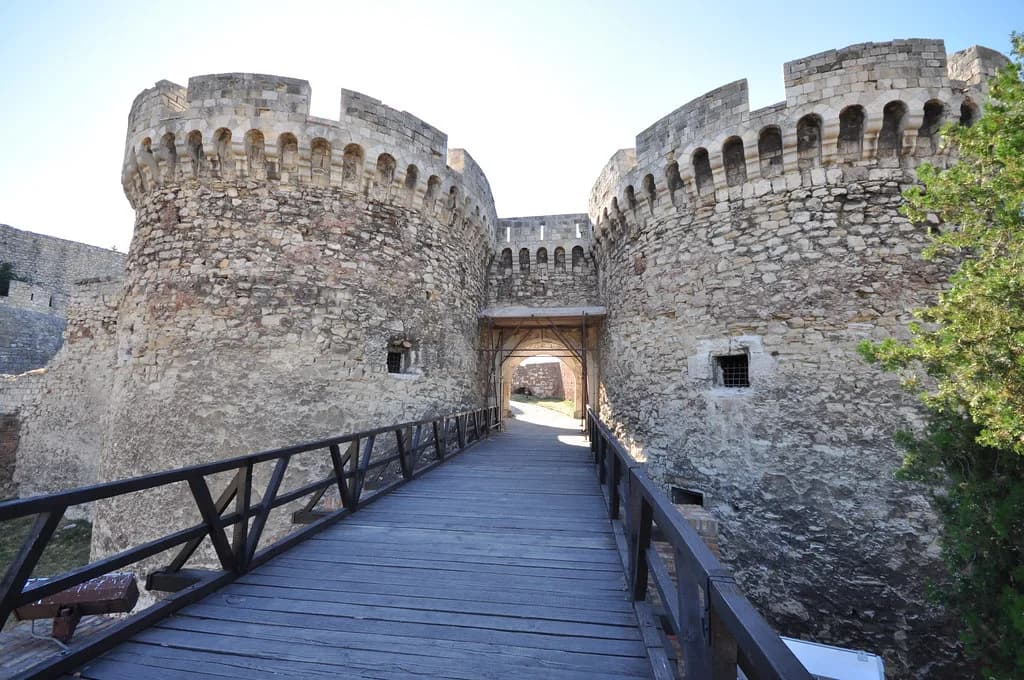
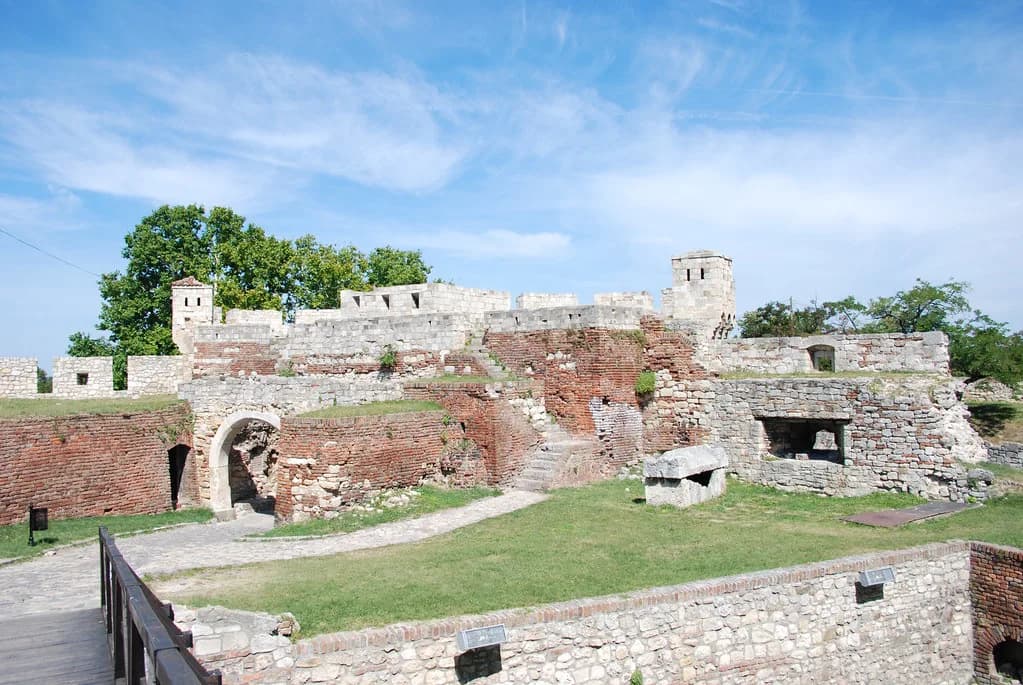
Belgrade is the obvious first stop and it earns the billing. Kalemegdan Fortress sits at the confluence of the Sava and Danube, with fortifications layered from Celtic times through the 17th century, and the promenade near the Victor Monument is the city's best free viewpoint. Approach it from the pedestrian Knez Mihailova, a kilometer of 19th- and early-20th-century buildings between Terazije and the park.
Skadarlija, the cobbled bohemian quarter a short walk from Trg Republike, is where the old taverns and galleries cluster, and Saint Sava Church dominates the skyline with its unfinished interior. New Belgrade across the Sava supplies the brutalist counterpoint, from the Genex Tower to the Toblerone-shaped building. Two full days covers the center comfortably.
April is a particularly good fit for the city: the parks and tree-lined avenues green up, the fortress benches fill on sunny days, and Avala mountain and Košutnjak forest give you an escape without leaving the city. Expect spring to be changeable rather than reliably warm.
Zemun: the Habsburg town inside Belgrade
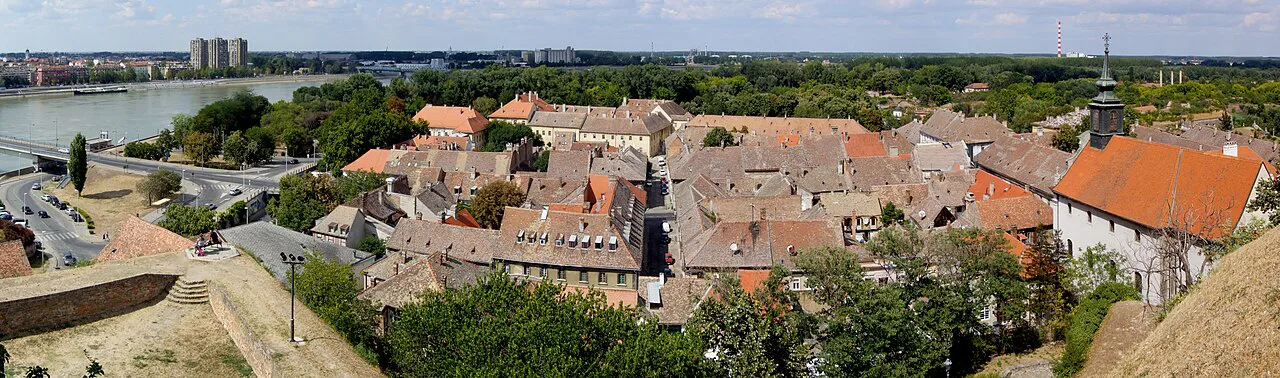
Zemun was a separate Habsburg city until 1934, and it still feels like one, with low houses, red rooftops and a Danube waterfront that locals use as a weekend promenade. It beats the center if you want a slower half-day with Central European architecture and fewer tour groups, and it is easily reached from downtown by public transport.
Pair Zemun with the Museum of Yugoslavia if 20th-century history interests you; the two sit away from the core and work better on the same day than as separate outings. Trolleybus routes from the center serve the museum area.
Novi Sad and Vojvodina: Fruška Gora and Sremski Karlovci
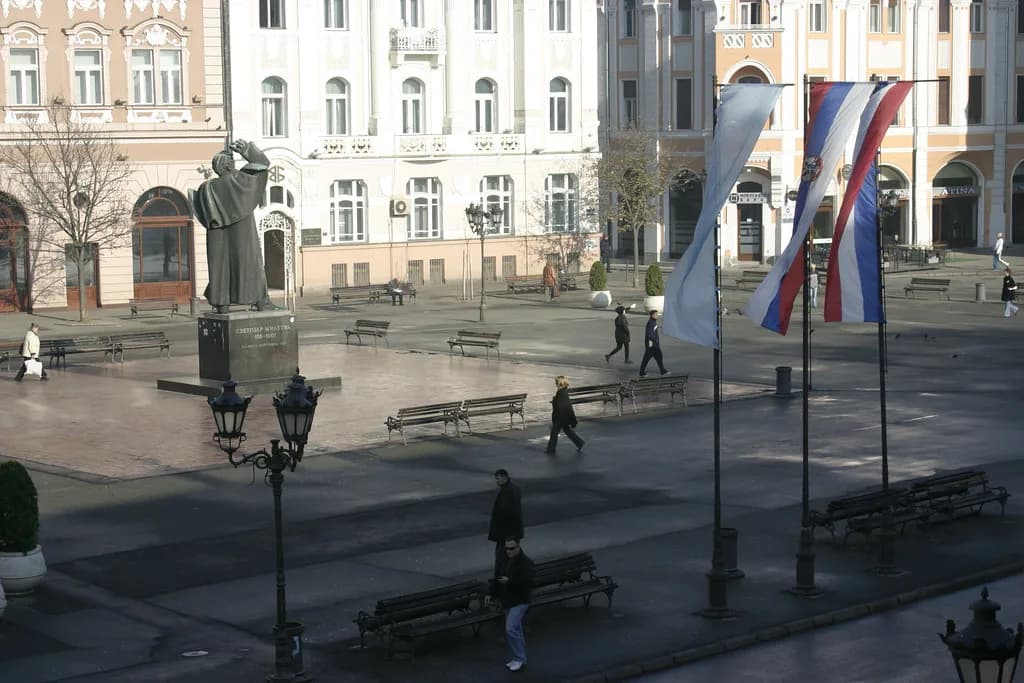
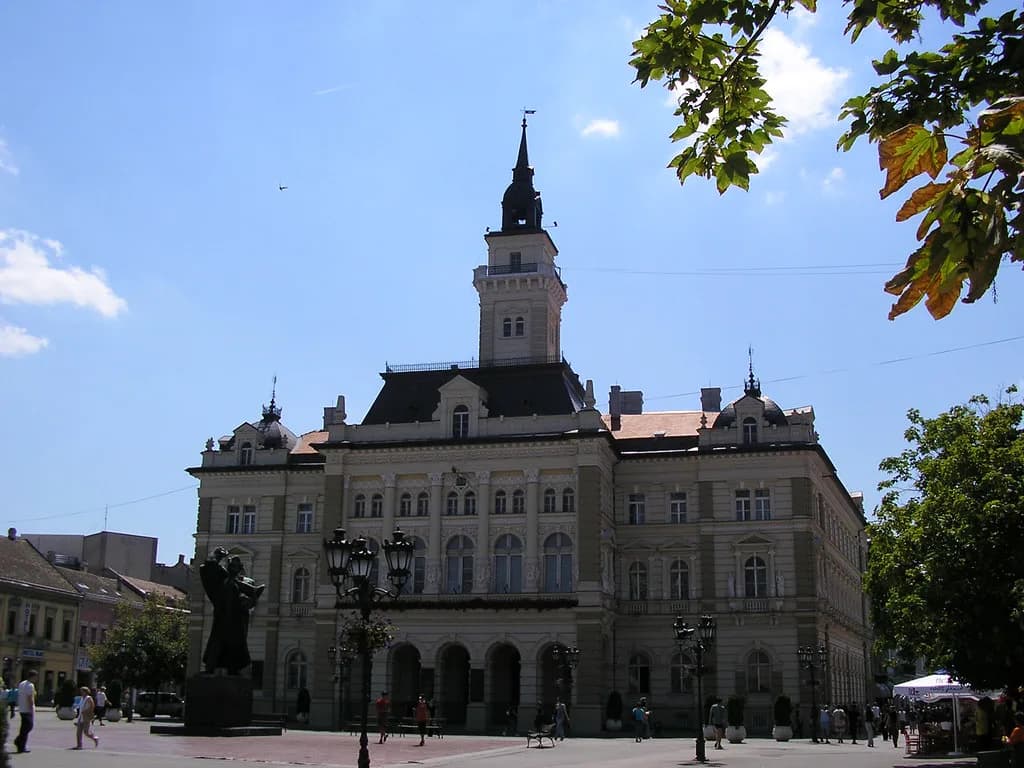
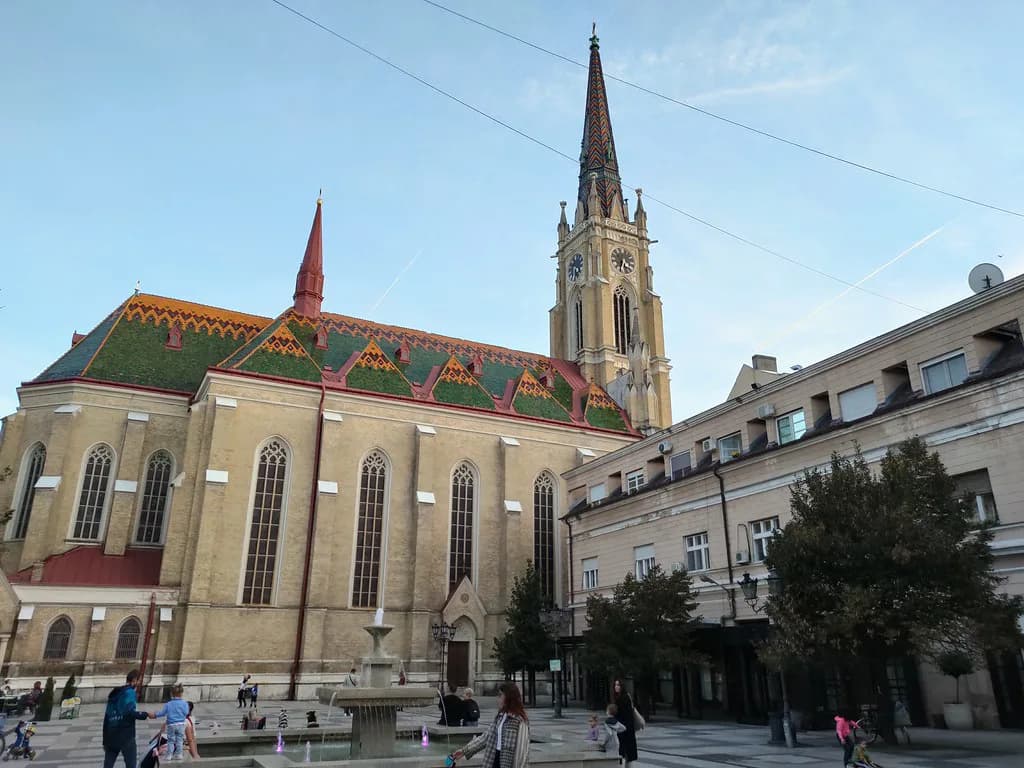
Novi Sad is Serbia's second city and the most relaxed urban base in the country, with a Habsburg-era center and a wine country on its doorstep. Fruška Gora rises just south of town with monasteries and hiking trails, and Sremski Karlovci, a small baroque town on the Danube, is the natural stop for local wine. Give Vojvodina two nights if you want to taste rather than rush.
This is also the gentlest part of Serbia to explore without a car, since Novi Sad connects easily to Belgrade. Budgets go further here than in the capital, and our guide to money in Serbia explains the dinar, card acceptance and what to keep in cash.
Subotica and the far north
Subotica, close to the Hungarian border, is the country's Art Nouveau showpiece, with a city hall and synagogue that justify the detour for architecture lovers. The Palić lakeside just outside town adds a leafy, unhurried half-day. It suits travelers driving between Serbia and Hungary rather than a standalone destination.
Đerdap National Park and the Danube
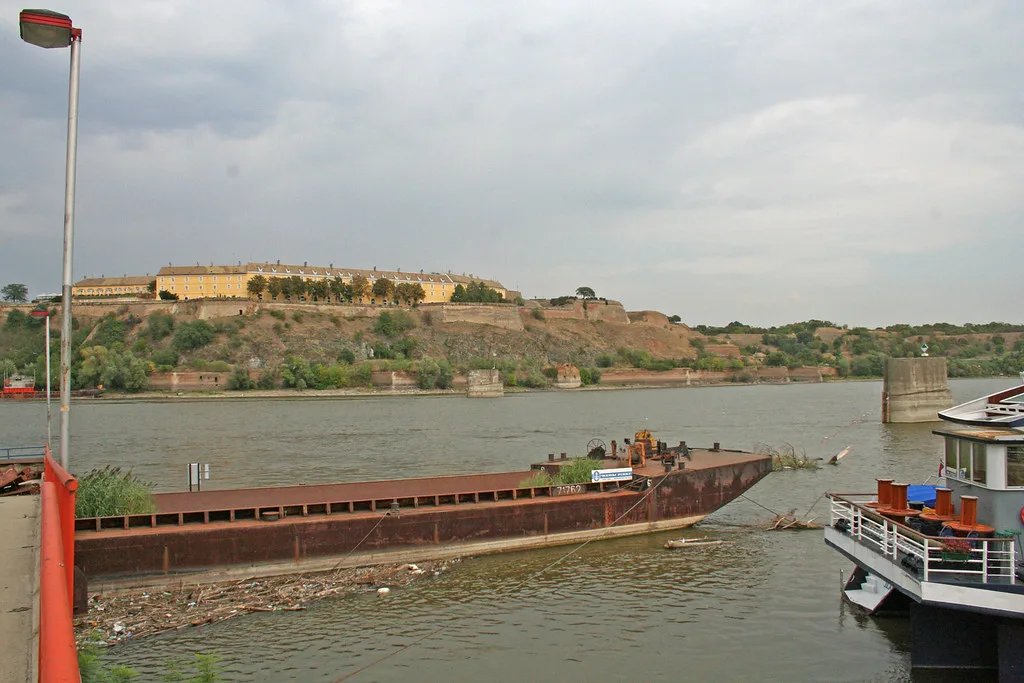
Đerdap, the Iron Gates gorge where the Danube cuts through the Carpathians, is the most dramatic scenery in Serbia and the reason to head east. Golubac Fortress guards the river at the gorge's western end, and Lepenski Vir, one of Europe's oldest archaeological sites, sits nearby. Base yourself in the area for at least two nights.
The road through the park is good but carries rockfall signs and loose stones on the mountain sections, which is a reason to buy extended insurance if you are renting. Lanes are narrow in places and wildlife wanders onto the road, so drive the gorge in daylight.
Tara National Park and western Serbia
Tara's headline sight is Banjska Stena, a viewpoint above Lake Perućac with the Drina canyon spread below it, and it is the single best panorama in the country. The surrounding forests and the Drina valley reward a slow day of walking. It is a two-night stop, not a day trip from Belgrade.
Access is the trade-off. The final stretch to the main viewpoint is gravel, so a car with higher ground clearance makes the drive less stressful than a low city sedan. Fuel is widely available, and filling up at larger stations before heading into the hills is the sensible habit.
Uvac River Canyon
The Uvac meanders are the image most people associate with Serbia: tight green loops of river cutting through limestone, best seen from the guided viewpoints above the canyon. It is genuinely spectacular and genuinely awkward to reach, with several kilometers of dirt road before the trailheads.
Treat Uvac as a half-day to full-day commitment with a vehicle you are comfortable taking off asphalt, and check locally whether the viewpoint access is open before driving out. Boat trips through the canyon run in season but depend on water levels and operator schedules.
Zlatibor: busy mountain resort
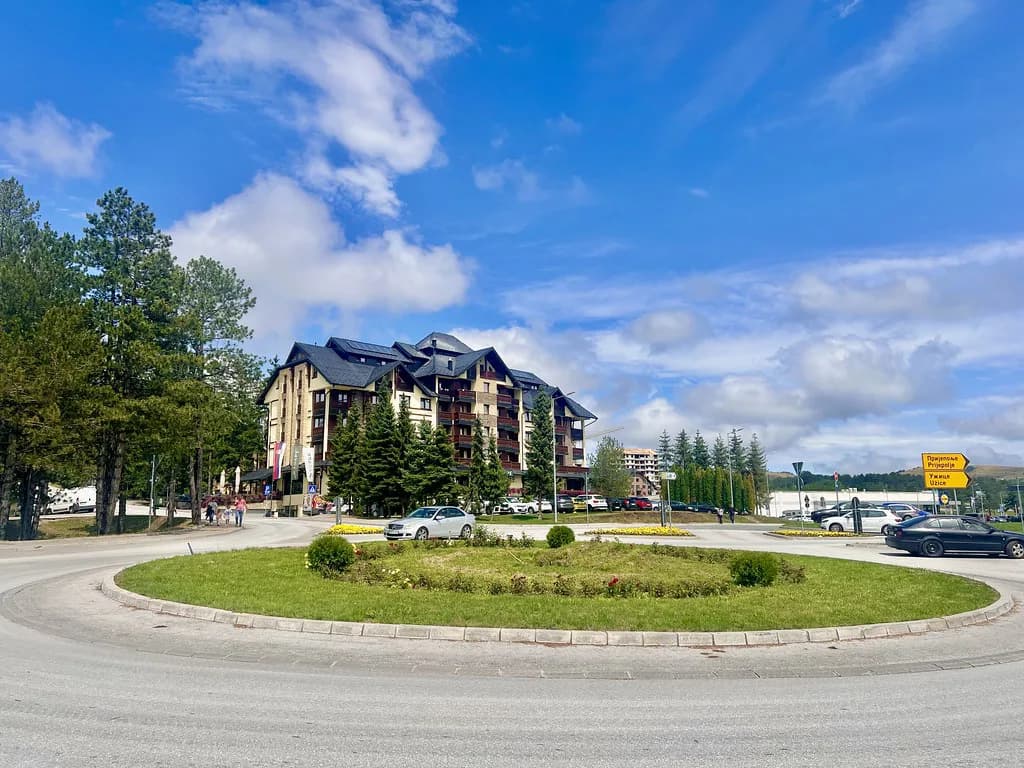
Zlatibor is the country's most popular mountain resort, which means developed infrastructure, plenty of accommodation and, in peak season, traffic and crowds. It works well as a family base with short walks and easy access to surrounding villages. If you want quiet mountains, Tara or the Đerdap hills serve you better.
The roads around Zlatibor occasionally host livestock, and animals do wander onto the asphalt. Drive slowly on rural stretches and keep comprehensive cover on any rental.
Southern Serbia: Niš, Đavolja Varoš and the monasteries
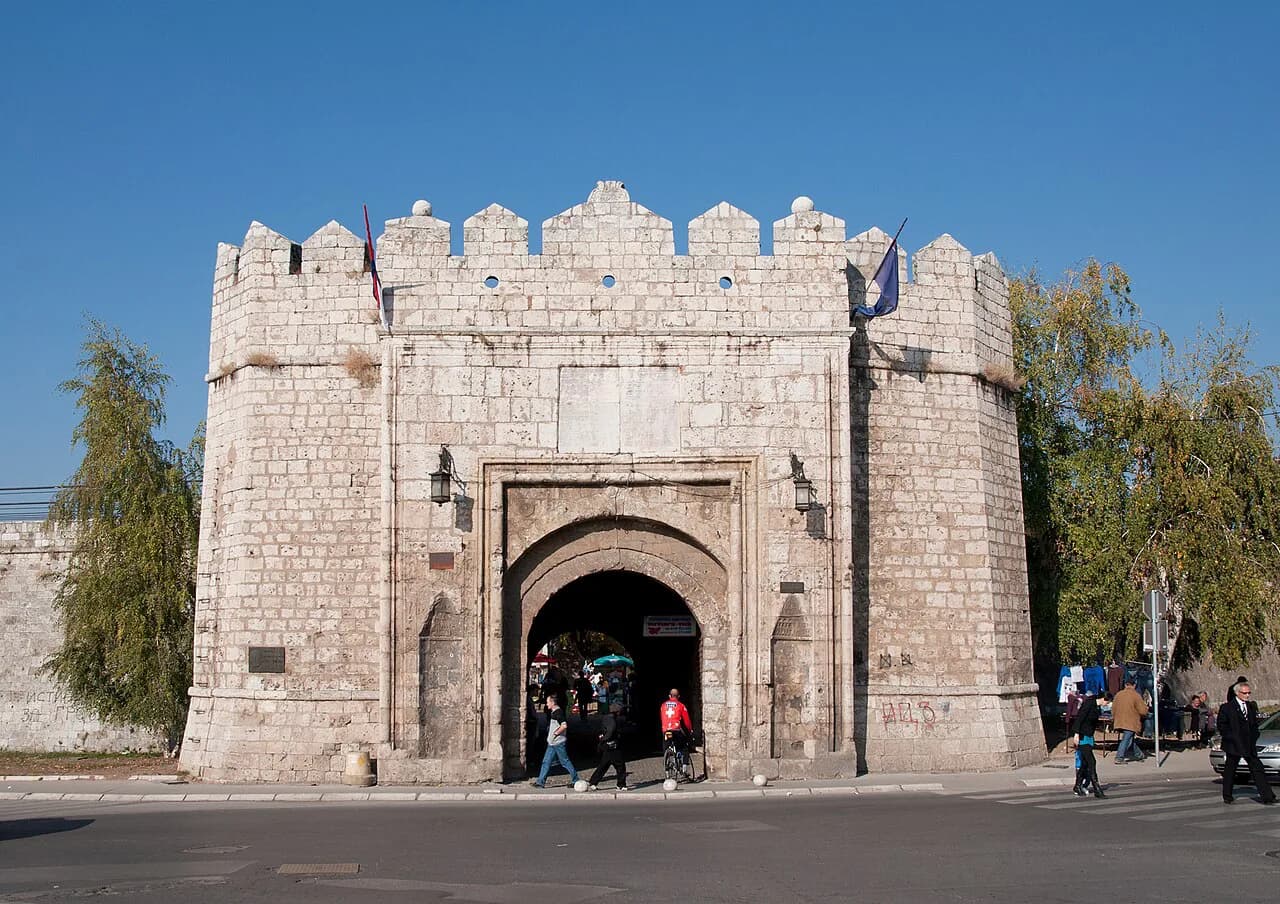
Niš anchors the south with Roman and Ottoman layers, and it is the natural base for excursions to Đavolja Varoš, the eroded rock pillars that look like nothing else in the country. The southern monasteries, including those along the Transromanica route, reward a slow loop by car.
Distances here are long and the roads slower than the motorway north, so plan two nights minimum and avoid trying to see the south as a day trip from Belgrade. Train connections to Niš exist but schedules are limited; a car gives you far more flexibility.
Who should skip which
Skip Serbia entirely if a beach is non-negotiable or you want car-free access to big landscapes; the Adriatic coast in Croatia or Montenegro is a better fit for that trip. Skip Zlatibor in high season if you want solitude, and skip Uvac if you are unwilling to drive gravel. Travelers with limited mobility should focus on Belgrade's center and Novi Sad, where the main sights sit on flat ground.
Conversely, history buffs should not skip the south, and photographers should not skip Tara at sunrise. Families do best with Belgrade, Novi Sad and Zlatibor rather than the canyon country.
Getting around
Belgrade's public transport has been free for visitors as well as residents since 2025, covering buses, trams, trolleybuses and local trains; the A1 shuttle to Slavija Square is the paid exception, at 400 RSD, while bus 72 to Zeleni Venac is free. Elsewhere in Serbia, buses and trains connect the main cities but are thin on mountain routes.
A car pays off the moment you leave the Belgrade–Novi Sad corridor. Rental rates in Belgrade start around €20 per day for a manual and €29 for an automatic, with off-season seven-day rentals from roughly €10 per day, and deposits ranging from nothing to about €1,200 depending on the company. Fuel runs about €1.80 per liter.
Serbia uses tolls rather than a vignette: you take a ticket on entry and pay by distance in cash or by card on exit. If you plan to cross into Montenegro or Bosnia and Herzegovina, tell the rental company in advance — some charge per day or per country for the privilege, and rental companies themselves report that driving their cars into Kosovo is not permitted.
When to go
Spring and early autumn are the sweet spots: mild city weather, green parks and mountain trails that are open without summer crowds. April in Belgrade is a local favorite, with the fortress and Košutnjak forest at their best. July and August bring heat and domestic holiday crowds to Zlatibor and Tara, and winter mountain driving requires snow chains under Serbian rules from November 1 to April 15.
For a wider picture of seasons, crowds and prices, see the best time to visit Serbia before you fix dates.
Where Serbia fits against Croatia and other Adriatic trips
Croatia wins on coast, islands and polished tourism infrastructure, and it is easier to do without a car. Serbia wins on value, uncrowded interior landscapes and a rawer, more layered city experience. If your trip is about swimming and ferries, go to Croatia; if it is about rivers, gorges, monasteries and urban grit, Serbia is the stronger choice.
Montenegro sits between the two, offering coast and mountains in a compact space. Serbia complements either country well as a landlocked add-on rather than replacing them. If the mountains matter more to you than the coast, weigh the same question in our Montenegro trip guide before you commit.
The final call by traveler type
City-break travelers should spend three nights in Belgrade with a Zemun half-day, and add Novi Sad if time allows. Road-trippers should link Belgrade, Vojvodina, Tara and Đerdap over ten days to two weeks, accepting that some of those roads are slow and a couple of stretch to viewpoints are gravel. History buffs should push south to Niš and the monasteries, and families should stick to Belgrade, Novi Sad and Zlatibor.
For the money side of the trip, including how far the dinar stretches and what to budget beyond transport, our guide to is Serbia cheap sets out what a realistic daily spend looks like.
Explore more Serbia trip-decision guides
Frequently Asked Questions
Is Belgrade, Serbia a good place to visit?
Yes, if you want a layered European capital rather than a postcard one. Kalemegdan Fortress, Knez Mihailova, Skadarlija and Saint Sava Church fill two days, and Zemun adds a slower Habsburg-era half-day. Travelers who want polished, walkable old towns may find it gritty.
How many days do you need in Serbia?
One week is the practical minimum for a city-and-country trip: two or three nights in Belgrade, a night or two in Novi Sad, then a national park. Ten days to two weeks lets you add Tara, Đerdap or the south without spending the whole trip driving.
Do you need a car to see the best places in Serbia?
For Belgrade and Novi Sad, no. For Tara, Uvac, Đerdap and the southern monasteries, a car is effectively essential because public transport to those areas is thin. Rent in Belgrade or at the airport if you plan a multi-region loop.
Is Serbia a good destination for families?
Yes, particularly Belgrade, Novi Sad and Zlatibor, which have developed infrastructure, short walks and easy access to food and services. Canyon country and long mountain drives are harder with young children because of gravel roads and slow journeys.
What is Serbia best known for?
Rivers and gorges, most notably the Danube's Iron Gates at Đerdap and the Uvac meanders, alongside Belgrade's fortress and nightlife, Vojvodina's wine country and a dense layer of monasteries and Roman sites in the south.
When is the best time to visit Serbia?
Spring and early autumn offer mild weather in the cities and open mountain trails without peak crowds. July and August are hot and busy in the resorts, while mountain driving in winter requires snow chains under Serbian rules.
Which is better, Serbia or Croatia?
Croatia is the better choice for coast, islands and car-free tourism. Serbia is stronger for value, uncrowded interior landscapes and layered city history. Choose by whether your trip is about swimming or about rivers and cities.
Sources
Trip-decision notes
Optional updates when we publish or revise a destination verdict.
You might also like
Continue reading
More guides you'll find useful