Best Cities in Serbia: 10 Places Worth Your Time
The best cities in Serbia, from Belgrade and Novi Sad to Sombor and Novi Pazar, with what each offers, how long to stay and who should skip which.
On this page
Serbia is worth visiting as a city-trip country, not a single-city stop: Belgrade gives you the big, loud, complicated capital, Novi Sad the easiest introduction, and the Vojvodina towns the calm counterweight. Pick two or three that fit one route and you get more variety per transfer than almost anywhere else in the Balkans.
This list ranks cities by traveler type rather than population, because the biggest city is not automatically the right base for you. Each entry says what the place actually offers, how many days it deserves, and who should leave it out.
The verdict
Go for Belgrade if you want energy, food, river nightlife and museums dense enough to fill three days. Choose Novi Sad instead if you want a compact, walkable first stop with wine hills next door and far less friction.
Add Vojvodina's towns for elegance and quiet, Kragujevac for modern Serbian history, and Novi Pazar for Ottoman architecture and a completely different atmosphere. The spa towns, Vrnjačka Banja and Sokobanja, suit a slower trip and work poorly as a rushed day stop.
Skip Serbia altogether if you want beaches or a single walkable base for a week. The country is landlocked, its highlights are spread across regions, and transfers between them eat time.
How to read this list
Treat each city as a verdict for a type of traveler: first-timers, culture-focused visitors, families, slow travelers. Days needed reflect what is actually in each place, not a default two-night rule. Pair the towns on one route where the transfer is short, and cut anything that requires a long detour for a single sight.
Belgrade: the big, loud, complicated one
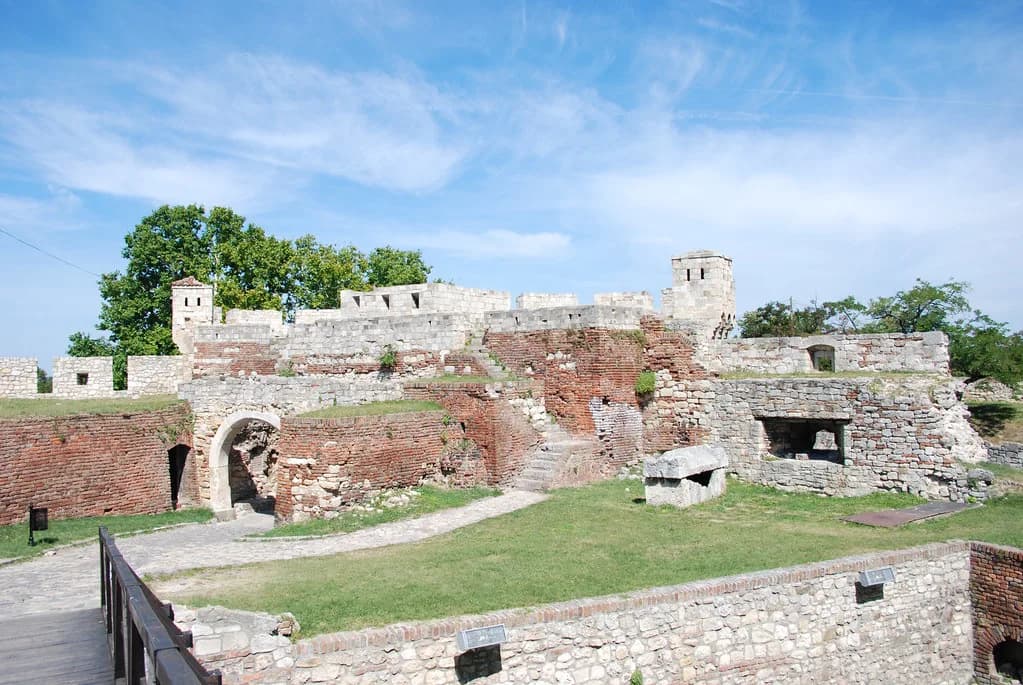
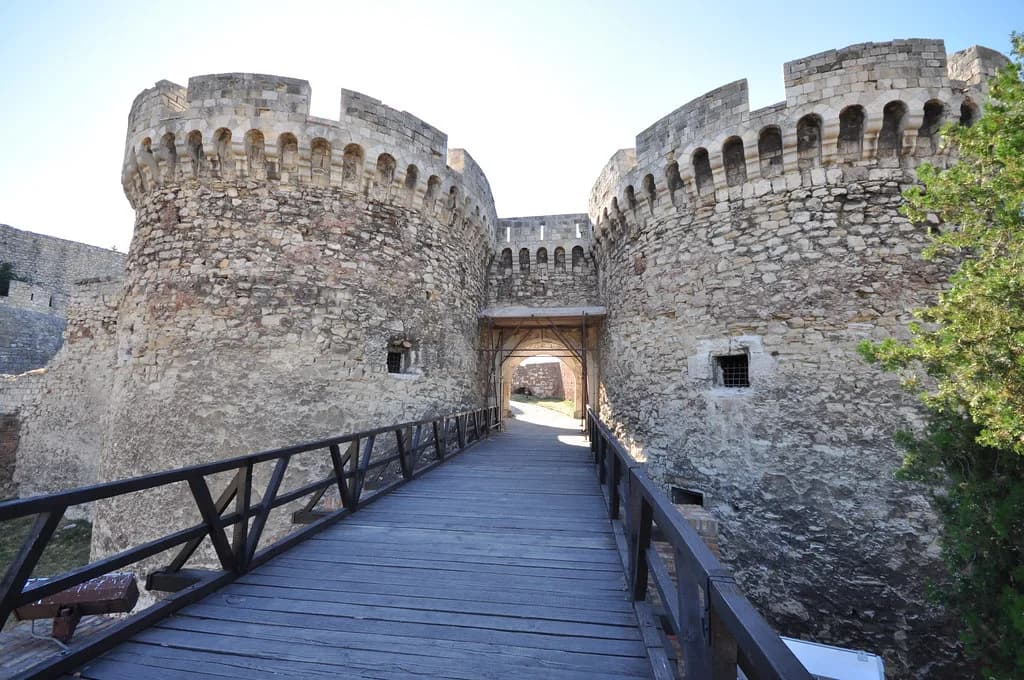
Belgrade is the reason many people come to Serbia and the reason some leave exhausted. Kalemegdan Fortress above the Sava and Danube confluence anchors the old town, Skadarlija delivers the traditional restaurant quarter, and the Nikola Tesla Museum rewards anyone curious about the man behind the name.
For a different angle on the city, a vintage Yugo tour covers the Yugoslav era with a local driver, one of the experiences that defines Belgrade beyond its nightlife.
Budget three full days minimum: one for the fortress and old town, one for museums and Zemun, one for whatever the city throws at you. Belgrade sprawls, traffic is real, and cramming it into a single day mostly produces time in taxis.
It suits travelers who like big capitals and don't mind noise. It is the wrong first stop for anyone wanting quiet, easy walking and short distances.
Novi Sad and the Fruška Gora wine hills
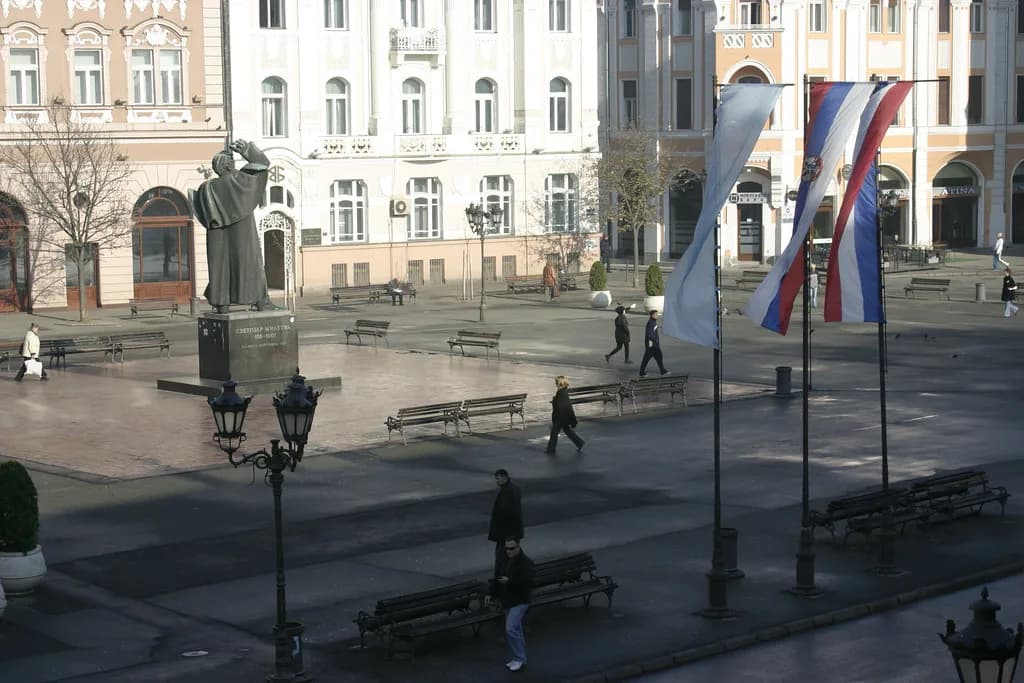
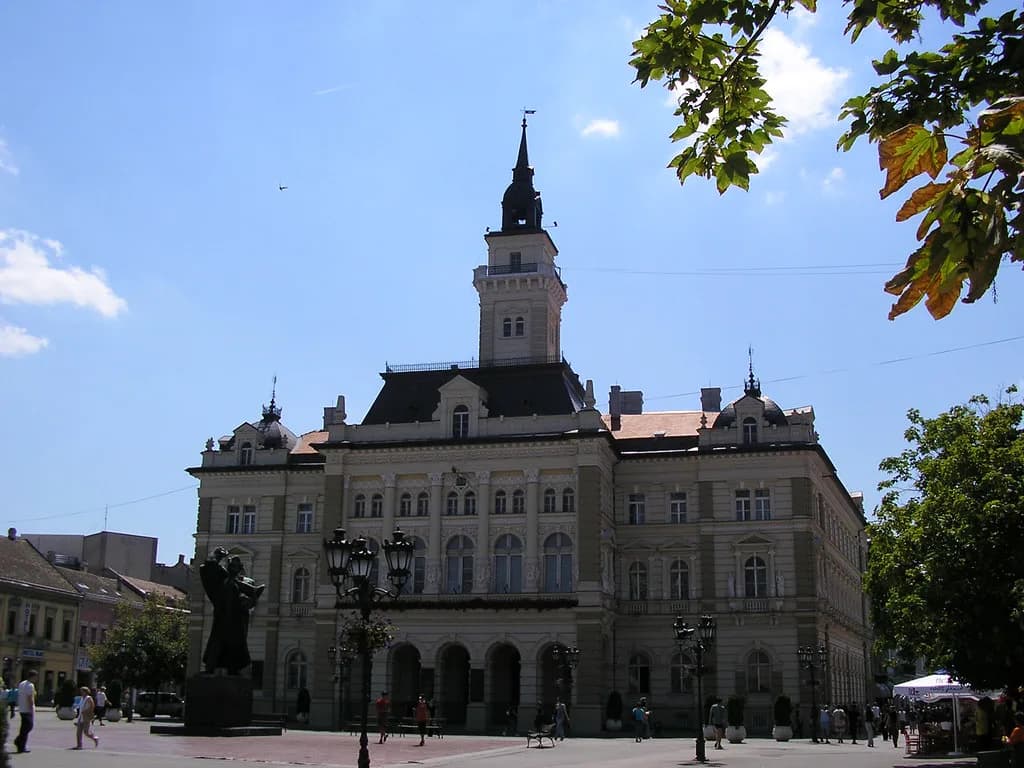
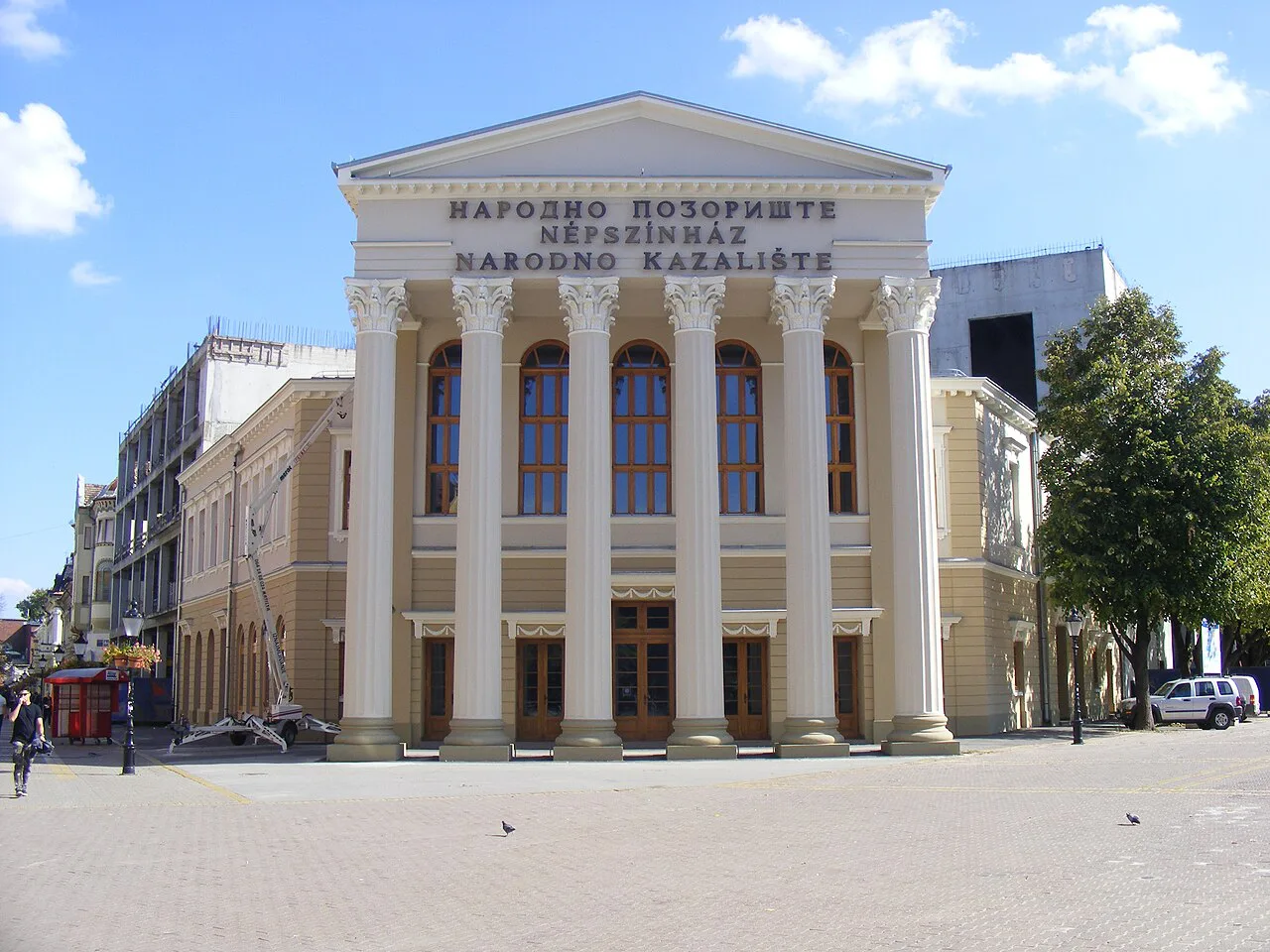
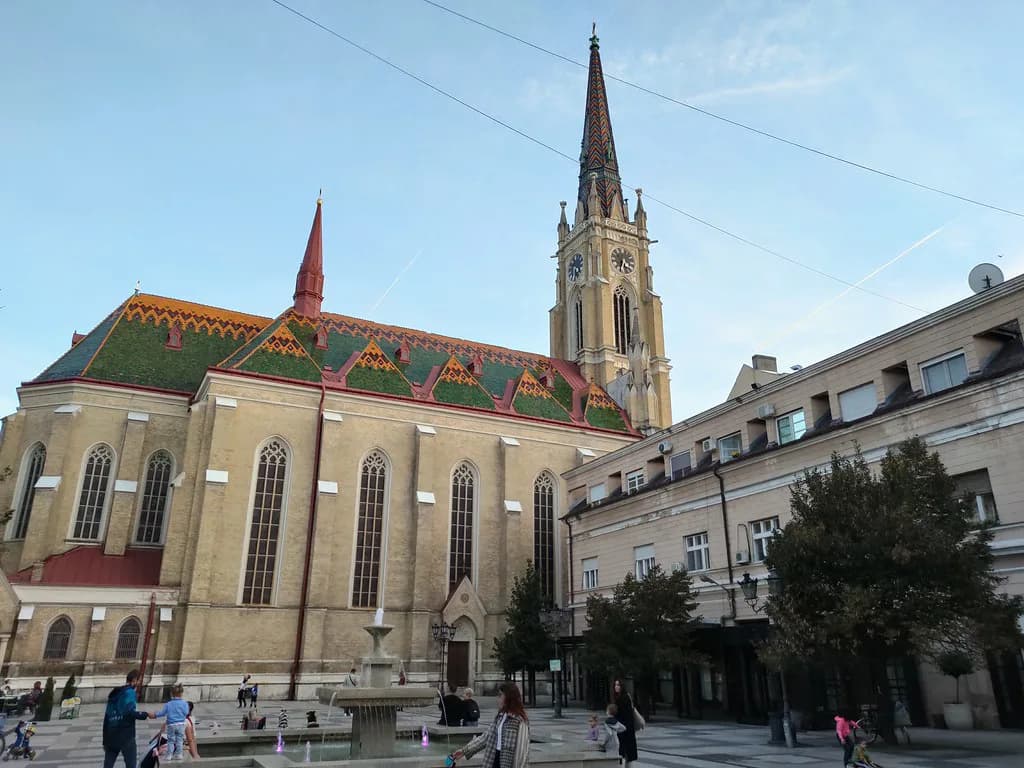
Novi Sad is the easiest Serbian city break: a compact center, a fortress across the river, and the Fruška Gora hills within easy reach for winery visits. Two days covers the city comfortably, and a third opens up the wine route.
Summer brings EXIT, the festival held at the Petrovaradin fortress, which transforms the city for its duration and fills accommodation. Outside festival weeks, Novi Sad is calm and cheap by Western European standards; the festival announces its own dates each year.
Money in Serbia means dinars, not euros, and card acceptance varies outside the big cities, so carry some cash for markets, rural wineries and small towns.
Subotica and Sombor: Vojvodina's Art Nouveau and shaded elegance
Subotica, close to the Hungarian border, is the Art Nouveau town: the City Hall and the synagogue are the set pieces, and the center is small enough to cover in half a day of walking. Sombor, further west, is quieter and greener, with a run of elegant civic buildings around its core and a pace that rewards slowing down.
Both work as one-night stops on a Belgrade–Novi Sad–Subotica route, or as a Sombor add-on if you have a car. Sundays are quiet in these towns, so plan museum and restaurant time around that rather than expecting big-city hours.
Kragujevac: the Šumadija heartland
Kragujevac carries the weight of modern Serbian history. The 21 October Memorial Park and its museum commemorate the civilians executed here in 1941, and the Šumarice site is one of the most affecting memorials in the region.
The city was also the seat of the early modern Serbian state, and the old core around Milošev Venac holds the buildings from that era. Allow a full day, more if you want the memorial without rushing. It suits history-focused travelers and works poorly as a quick photo stop.
Kruševac and Niš: Lazar's capital and the southern gateway
Kruševac preserves what remains of Prince Lazar's 14th-century capital in a green archaeological park at the center of town, and the hilltop views from Bagdala are the reason to stay into the afternoon.
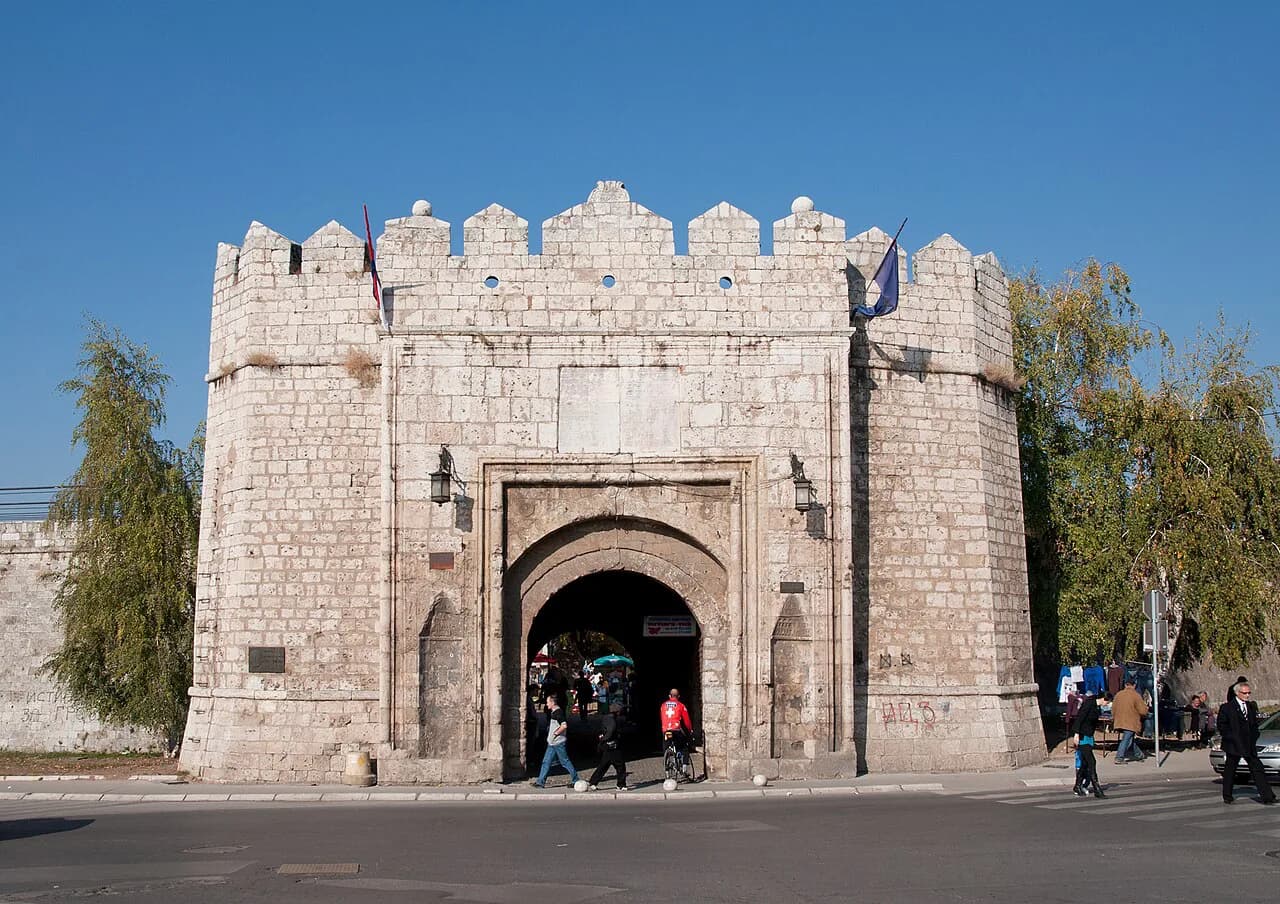
Niš, further south, is the practical gateway for travelers heading toward Bulgaria or North Macedonia, with a walkable center and enough to justify an overnight. Combine the two only if you have a car or patience for bus timetables; otherwise treat Kruševac as a half-day stop between Belgrade and the south.
Novi Pazar: Ottoman architecture and a different rhythm
Novi Pazar is the center of Islamic life in Serbia, and that shapes everything from the skyline to the cafe culture. The Altun-Alem Mosque is the architectural centerpiece, and the Raška river and its bridges give the town its photogenic angles.
Expect sweet tea and strong coffee rather than alcohol, and a slower, conversation-driven cafe scene. One full day is enough for the town; add time if you are using it as a base for the surrounding region. Travelers wanting a conventional European city break will find it unfamiliar, which is precisely the point.
Užice and the western hills
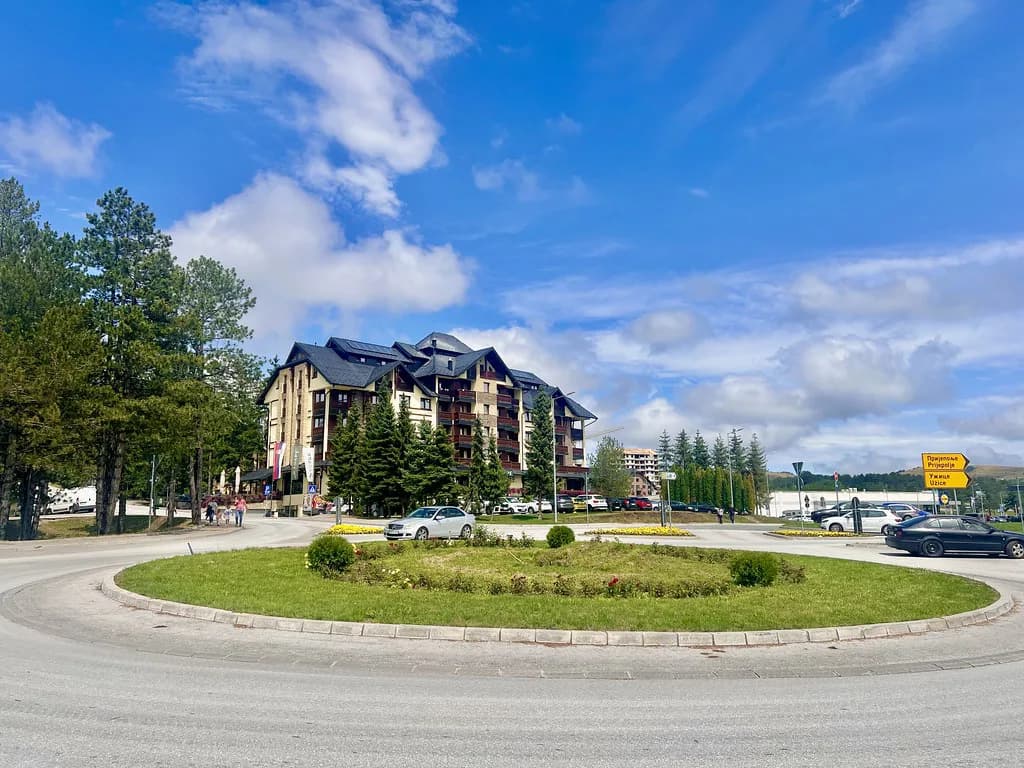
Užice is the practical base for western Serbia: Tara National Park with its forests and brown bears, the Šargan Eight heritage railway, and the film-set village of Drvengrad, where a steam train ride is the draw.
This is car country. Without your own vehicle, you are dependent on sparse buses and fixed tour departures, so renting a car in Serbia is the decision that makes or breaks a western loop. Give the region two to three days rather than tacking it onto a Belgrade weekend.
Vrnjačka Banja and Sokobanja: the spa towns
Vrnjačka Banja and Sokobanja are thermal spa towns, and they suit a different trip from the city list above: slow mornings, treatments, walks, and an unhurried pace.
They work well for travelers combining recovery with sightseeing, and poorly for anyone wanting museums and nightlife. Two nights is a sensible minimum, since a day trip leaves no time to actually use the springs.
How many days each city needs
Belgrade needs three days, Novi Sad two with a third for Fruška Gora, Subotica and Sombor one night each, Kragujevac a full day, Kruševac half a day, Niš one night, Novi Pazar one day, and the western hills two to three days with a car. Spa towns deserve two nights. Add these up honestly and a ten-day Serbia trip covers four or five places, not eight.
Where cities pair well in one trip
The simplest route is Belgrade, Novi Sad and Subotica, with Sombor as an optional western extension; all three sit on a north-south corridor with frequent connections. A second route runs Belgrade south through Kragujevac and Kruševac to Niš, then west toward Novi Pazar and the hills around Užice.
Don't try to combine Vojvodina's north with the western hills in a short trip; the transfer eats a day and leaves both regions half-seen.
Who should skip which city
Skip Belgrade if you want a quiet, walkable base and short transfers. Skip Novi Sad during EXIT if crowds and inflated accommodation are not your thing. Skip the Vojvodina towns on Sundays if you need museums and full restaurant hours. Skip the spa towns if you want urban energy, and skip the western hills without a car unless you have booked a tour.
Getting around between cities
Buses connect most Serbian cities more reliably than trains, and the Belgrade–Novi Sad corridor is the best-served route in the country. Rail works for some longer links but is slower and thinner than the bus network, so check current timetables with the carrier before building an itinerary around a specific departure.
If you fly in, Nikola Tesla Airport sits west of central Belgrade and is the usual arrival point for the whole country. Factor a transfer into the city on arrival day rather than planning a same-day connection onward.
When to go and what it costs
Late spring and early autumn give the most comfortable conditions for city walking, while July and August bring heat and the festival peak in Novi Sad.
Serbia is inexpensive by Western European standards, especially outside Belgrade, but city-center accommodation rises during major events and weekends. Check whether Serbia fits your budget before committing to a long itinerary.
Plan Your Trip
Decide on two or three cities, not the whole list. Belgrade and Novi Sad make the easiest pairing for a first trip; add Vojvodina's towns for calm, or head south and west if history and landscapes matter more than city comfort. If you are weighing the wider region, our Kosovo trip guide covers a neighboring destination with a very different atmosphere.
Sort out dinars, bus connections and whether you need a car before booking, since those three choices shape the trip more than any single sight. Then go: Serbia rewards travelers who commit to a region rather than sampling the map.
Explore more Serbia trip-decision guides
Frequently Asked Questions
Which cities in Serbia are worth visiting?
Belgrade, Novi Sad and Subotica carry most first trips, with Sombor as a quieter Vojvodina add-on. Kragujevac and Kruševac reward history-focused travelers, Novi Pazar offers Ottoman architecture and a distinct cafe culture, and Užice works as a base for the western hills.
Is Belgrade or Novi Sad better for a first trip to Serbia?
Novi Sad is the gentler introduction: compact, walkable, with Fruška Gora wine country next door. Belgrade is bigger, louder and richer in museums and nightlife, but its sprawl and traffic cost you time. Choose Belgrade if you want a capital's energy and Novi Sad if you want an easy first stop.
How many days do you need in Belgrade?
Three full days is a fair minimum. One day covers Kalemegdan Fortress and the old town, one takes in the museums and Zemun, and one absorbs the city at its own pace. Shorter stays tend to be spent in taxis between distant districts.
What is there to see in Vojvodina's towns?
Subotica has Art Nouveau set pieces in its City Hall and synagogue, while Sombor is greener and quieter, with elegant civic buildings around a small core. Both suit a single overnight on a Belgrade–Novi Sad route and go quiet on Sundays.
Is Serbia worth visiting?
Yes, for travelers who want city life, history and landscapes in one landlocked country without beach expectations. It suits anyone willing to pick two or three regions and accept that transfers take time. Travelers wanting a single walkable base for a week should look elsewhere.
Sources
Trip-decision notes
Optional updates when we publish or revise a destination verdict.
You might also like
Continue reading
More guides you'll find useful