Serbia in May: Weather, Crowds and Whether It's Worth Going
May in Serbia brings warm days, wet spells and green landscapes with thinner crowds than summer. Here is who should go in May and who should wait.
On this page
May is a good month to visit Serbia if you want warm city days, green countryside and thinner crowds than July and August, and you accept that rain is part of the deal. Belgrade averages around 22°C (71°F) by day and 12°C (53°F) at night in May, with roughly 71 mm of rain across the month. That makes it a shoulder-season month: comfortable for walking, unpredictable for anything that depends on a dry, fixed day outdoors.
The trade-off is straightforward. You get the year's freshest landscapes and none of the summer heat, but May sits in the wettest stretch of the Serbian year, and thunderstorms can wipe out an afternoon in the mountains. Plan cities as your anchors and treat nature days as movable.
The verdict on Serbia in May
Go in May if your trip is city-led or flexible. Belgrade, Novi Sad and Niš are fully in season, terraces are open, and you are not competing with the August crowds. Skip May if your whole plan is a fixed trek or a mountain itinerary with pre-booked huts, because late snow and wet weather at altitude can close or spoil the days you came for.
Think of May as a bridge between spring and summer rather than a guaranteed sunny holiday. The month rewards travelers who build in a spare day and keep one indoor option per stop. It punishes anyone who treats a seven-day forecast as a contract.
Who will love Serbia in May
City travelers do best. Belgrade's fortress and parkland, Novi Sad's center and the relaxed streets of Niš are pleasant at these temperatures, and you can walk for hours without the July heat that pushes people indoors at midday. The Belgrade climate normals show May highs around 22°C (71°F), which is close to ideal for sightseeing.
Food and wine travelers also get a strong May. Produce is coming into its own, grilled meat and salads taste better for it, and the countryside is at its greenest. Serbia is still relatively cheap by Western European standards, which stretches a shoulder-season budget further.
Walkers with low-altitude plans — riverbanks, foothills, gentle national park trails — will find May workable if they stay flexible. Higher peaks are a different story.
Who should pick another month
If you want reliable sunshine and long, dry days, aim later. June warms up and brings plenty of sun between showers, while July and August bring the most stable weather and the biggest crowds. September is the strongest alternative: warm, comfortable, and generally better for hiking than the spring.
If your priority is high-mountain hiking, wait until the snow has gone and trails have dried out, which in the Dinaric Alps usually means later in the summer. If you want guaranteed dry weather and do not mind heat and crowds, choose July or August. If you want the quietest version of Serbia and can handle cooler, changeable days, look at April instead. If you are weighing the wider region, read whether Montenegro is worth visiting before committing to a fixed mountain itinerary.
Weather in May: what to expect
Expect warm days, cool nights and frequent showers. The Belgrade-based climate figures put May at roughly 12°C (53°F) minimum and 22°C (71°F) maximum, with about 71 mm of rain over around eight rainy days. That is a typical-condition average, not a forecast, so check a short-range forecast before you commit to a mountain day.
Sunshine is decent but not guaranteed. The same figures show roughly ten hours of daylight sun in May, which is plenty for a full day out if the clouds cooperate. Pack a light waterproof layer and a warm top for evenings, because the night-time drop is real.
One more thing about May: rain is often heavy and short rather than all-day drizzle, which is typical of the continental pattern. That is good news for planning, because a wet morning can turn into a usable afternoon. It is bad news for fixed outdoor bookings, so leave slack.
Where May weather varies: Belgrade, the mountains and the west
Belgrade and the northern plains are warm and relatively settled, and this is where the figures above come from. Novi Sad and the Vojvodina flatlands behave similarly. The city centers are your safest bet for a rain-hit day, with museums, cafés and covered markets to fall back on.
The mountains are cooler and wetter. Highland areas have softer summers and shorter, colder winters than the lowlands, and in May that means unsettled weather, wind chill and the chance of late snow on the highest ground. Kopaonik and the Dinaric Alps are not reliable in May for high routes; lower slopes and valleys are.
Western Serbia, including the Mokra Gora area and the village of Sirogojno, is a strong May choice for scenery and rural pacing, with the caveat that you need a car or organized transport to make the most of it. Distances are longer than they look on a map, and mountain roads slow you down in rain.
Rain and how to plan around it
Structure each stop with one outdoor plan and one indoor fallback. In Belgrade that means the fortress and park on a dry day and a museum or long lunch on a wet one. In smaller towns, check what is actually open before you build a day around it, since off-season hours can be thin.
Book mountain and nature days late in the trip rather than early, so you can shift them to the best window. Keep a spare day in the itinerary if hiking matters to you. Rain in May often arrives as afternoon thunderstorms, so start early and be off exposed ridges by mid-afternoon.
For city-to-city movement, trains and buses keep you out of the weather. Note that services and timetables change with the season, so check departure times direct with the rail and bus companies before you rely on a tight connection.
Crowds and prices in May
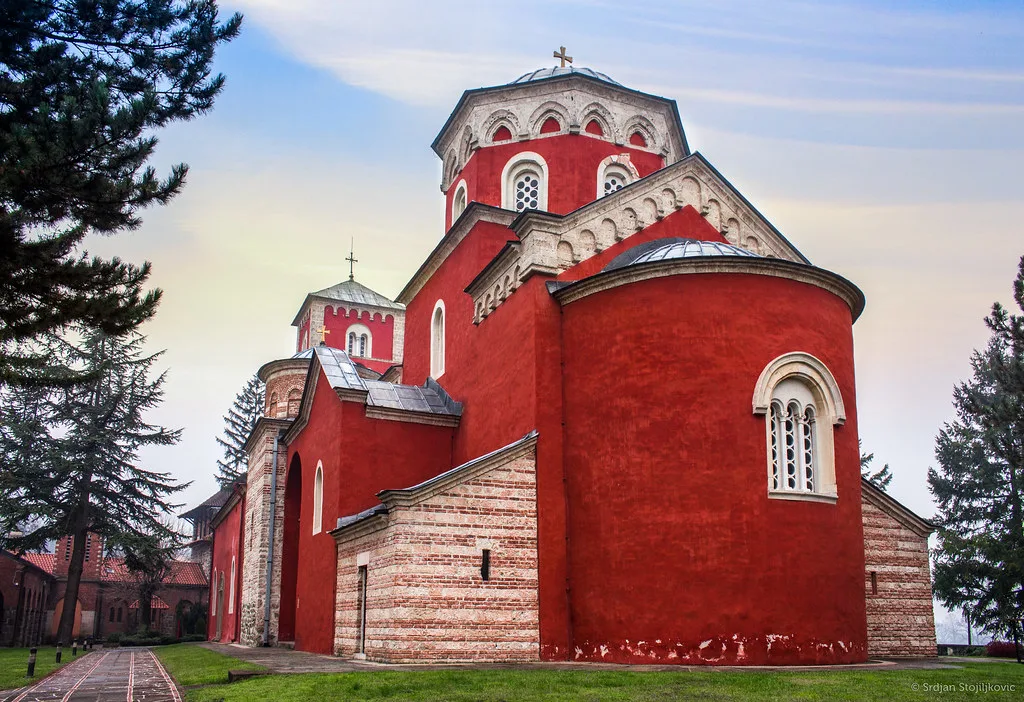
May is shoulder season in practice. You will not face August-level crowds at Belgrade's main sights, and accommodation is easier to find at short notice. Prices sit below the summer peak but above winter, and Serbia remains inexpensive for food, drink and local transport by Western European standards.
Spring is one of the two most popular windows for visiting Serbia, alongside early autumn, so the popular city weekends can still be busy. If you want the quietest version of May, aim for weekdays and avoid holiday weekends.
Cities and sights that suit May: Belgrade, Novi Sad, Niš
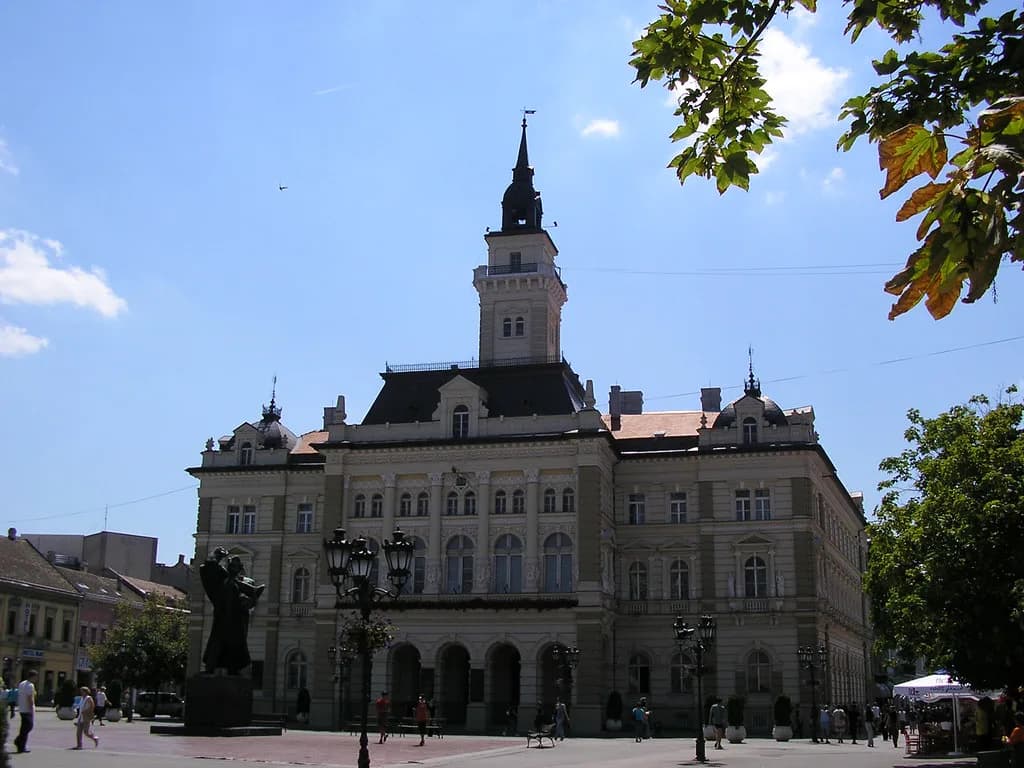
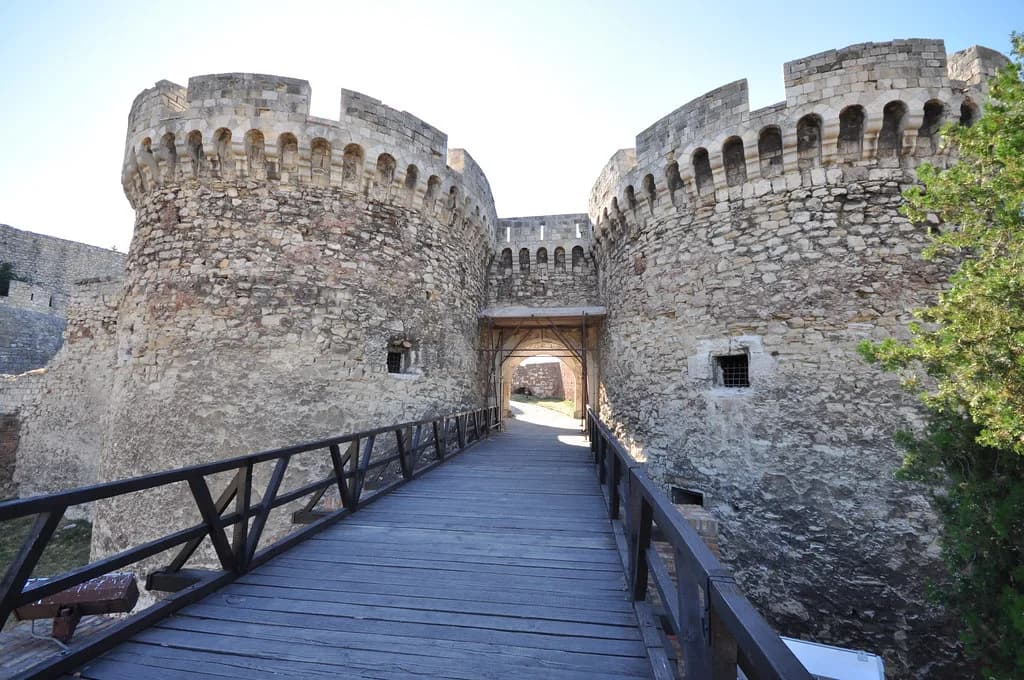
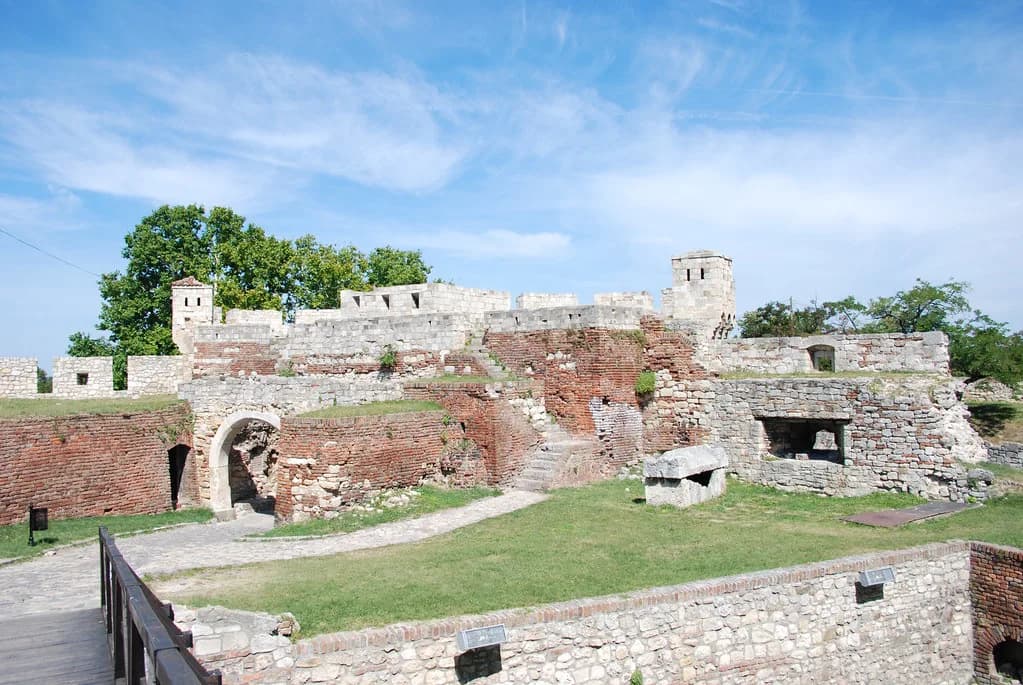
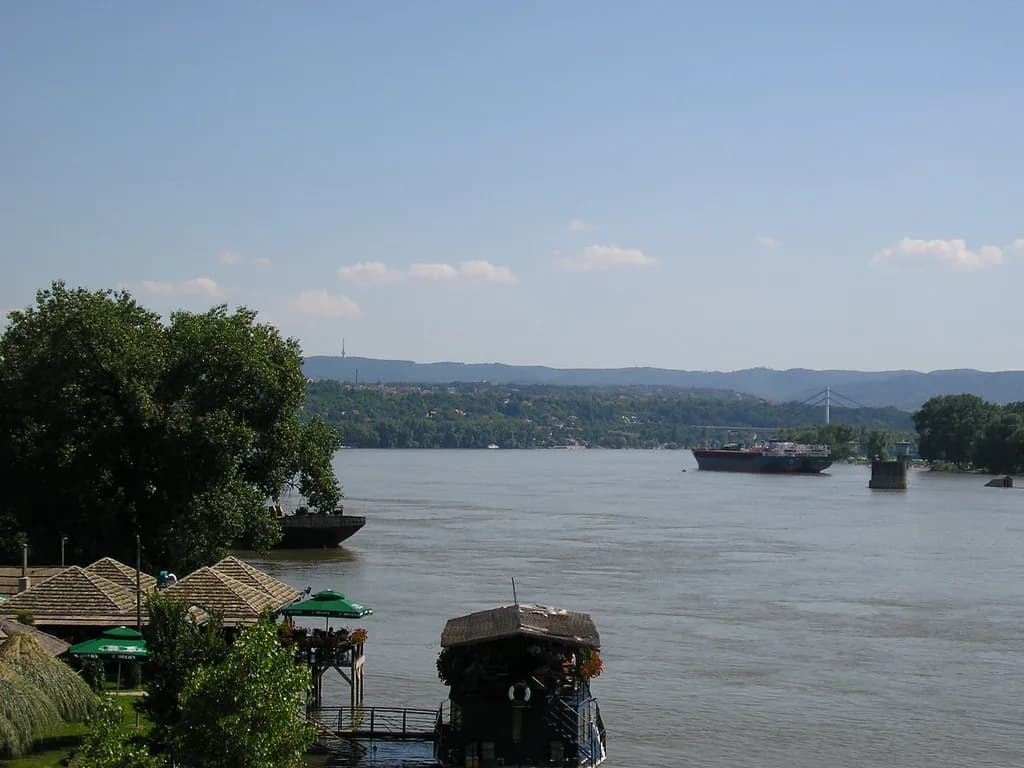
Belgrade is the natural base. The fortress and Kalemegdan Park give you river views where the Sava meets the Danube, and the center is compact enough to walk. In May the terraces are open and the evenings are mild, which is exactly when the city is at its best.
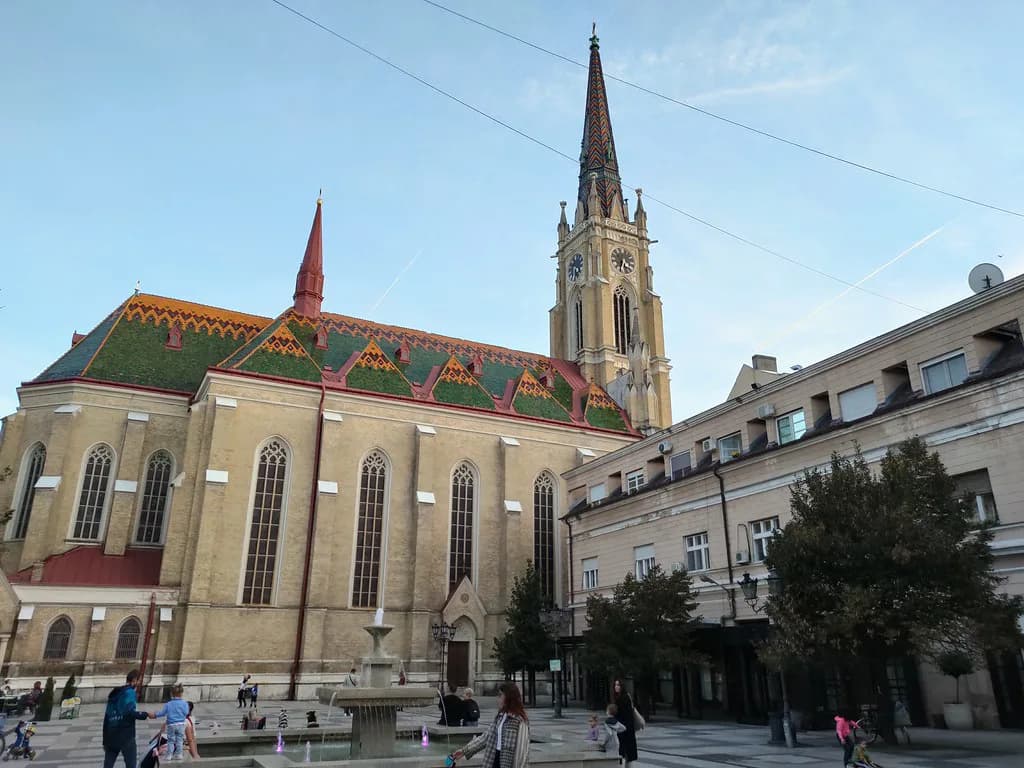
Novi Sad is an easy day trip or overnight from Belgrade, with a relaxed center and the Petrovaradin fortress above the Danube. Niš, in the south, has a compact historic core and works well as a stop en route to the mountains or toward Bulgaria. Both are comfortable in May temperatures.
Spread your city days across two or three bases rather than day-tripping from Belgrade for everything. The road and rail network is workable but not fast, and repeated long transfers eat the daylight you came for.
Nature and the outdoors: national parks and mountain areas
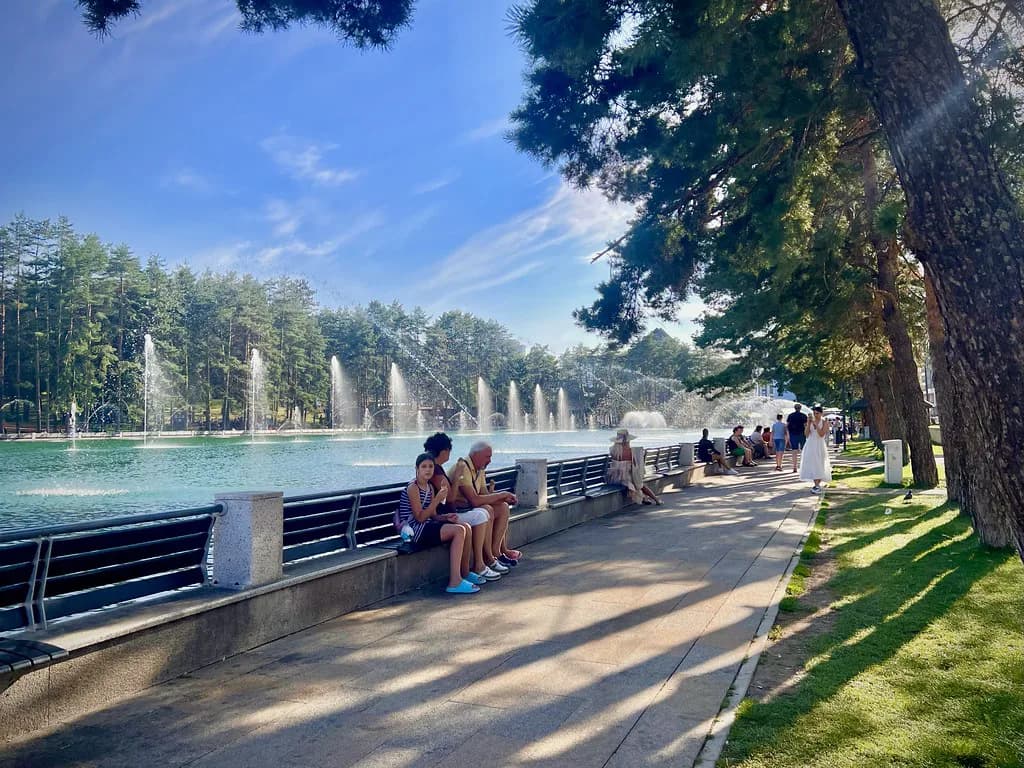
May opens up the low and middle ground. River valleys, foothills and gentle trails in Serbia's national parks are at their greenest, and the water is high from snowmelt. Higher peaks are more accessible later in the summer, once the snow has cleared and the ground has dried.
Treat May as a month for valleys and viewpoints, not summit days. If you want to hike seriously, plan for later summer and use May for the warm-up. If you mainly want scenery and short walks, May is close to ideal, with fewer people on the trails.
May events and what the season brings
Serbia's festival calendar runs across the year, with the Dragačevo Trumpet Festival in Guča and the EXIT Music Festival in Novi Sad both falling in the summer rather than May. If a specific event is central to your trip, check the organizer's own pages for dates and tickets rather than planning around a month alone.
What May does bring is the spring landscape itself: green hills, working farms and produce in the markets. That is a reason to go for the season rather than for a headline event.
How many days you need in May
A week works well: two or three nights in Belgrade, a night or two in Novi Sad, and a couple of days in the west or south for scenery. If you only have a long weekend, stay in Belgrade and take one day trip rather than trying to cover the country.
Add a day if hiking or rural western Serbia is on your list, and add another if you are relying on public transport, because connections eat time. Ten days lets you combine cities, a national park and a slower rural stop without rushing.
Getting there and getting around
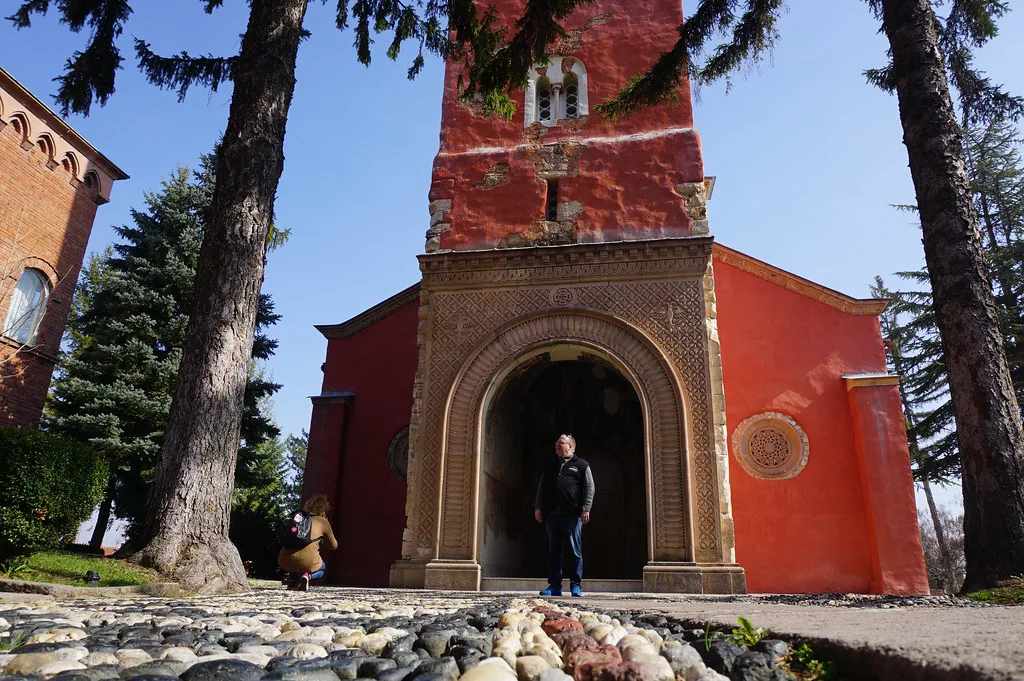
Belgrade is the main gateway, with Nikola Tesla Airport handling most international arrivals and a direct connection into the city. From Belgrade, trains and buses reach Novi Sad and Niš, and buses go further into the mountains. Check departures with the rail and bus operators, since timetables shift with the season.
A car is the practical choice for western Serbia, the national parks and villages like Sirogojno, where public transport is thin. The trade-off is mountain roads, rain and parking in city centers. Use the car for the rural middle of the trip and the train or bus for the city legs.
Typical costs in May
Serbia is one of the cheaper countries in the region, and May prices sit below the summer peak. Food, drink and local transport are modest by Western European standards, and the dinar goes further than you might expect. Check current rates for money in Serbia before you travel rather than relying on memory.
For specific costs like museum entry, transport tickets and national park fees, check the venue or operator directly, since published rates change. Budget by category — accommodation, food, transport, activities — rather than chasing precise figures.
Serbia in May versus April, June and September
April is cooler and changeable but quieter and cheaper, with highs around 17°C (63°F). May is warmer and greener but wetter. June is hotter but still showery, while September is warm and comfortable with fewer crowds than midsummer.
For city trips and scenery, May and September are close; September edges it for hiking and reliability. For festivals and long evenings, July and August win despite the crowds. For a quiet, budget-friendly first taste of Serbia, April or May works.
Practical drawbacks to plan for
Rain is the main one, and it is not a small detail: May is among the wettest months by the climate figures, so waterproofs and a flexible schedule are essential. Mountain weather can change quickly, with wind chill and afternoon storms.
Expect uneven opening hours outside the main cities, thinner bus frequencies in rural areas, and slower mountain roads in the wet. Public transport between smaller places is limited, so check connections with the bus companies and build in extra time.
Finally, remember Serbia uses the dinar, not the euro. Cards work in cities but cash helps in villages and markets. Check official entry rules on your government's travel page before booking.
Final verdict by traveler type
City travelers and first-time visitors should go in May for mild temperatures, open terraces and lighter crowds. Food and wine travelers get a green, generous month. Hikers who want high routes should wait for later summer, and sun-seekers should choose July or August and accept the crowds.
If your dates are fixed in May, keep the trip city-led with one flexible nature day, and let the weather decide the rest. That is the version of a Serbian May that works.
Explore more Serbia trip-decision guides
Frequently Asked Questions
What is the weather like in Serbia in May?
May is warm and changeable. Belgrade averages about 22°C (71°F) by day and 12°C (21°F) at night, with roughly 71 mm of rain over around eight rainy days. Mountains are cooler and wetter, with a chance of late snow on the highest ground. Treat these as typical conditions, not a forecast.
Is May a good time to visit Serbia?
Yes, for city trips and flexible itineraries. You get warm days, green countryside and thinner crowds than July and August. It is less reliable for fixed mountain hiking because May is one of the wetter months. Plan one indoor fallback per stop and keep nature days movable.
How much rain does Serbia get in May?
The Belgrade climate figures show about 71 mm of rain in May across roughly eight rainy days, which puts the month among the wetter ones. Rain tends to come in heavy bursts rather than all-day drizzle, so a wet morning can clear into a usable afternoon.
Is Serbia crowded in May?
No, not compared with midsummer. Spring is one of the two most popular windows for visiting Serbia alongside early autumn, so popular city weekends can feel busy, but May overall is a shoulder month with easier accommodation and lighter sightseeing crowds.
Should I visit Serbia in May or September?
September is warmer, more settled and better for hiking. May is greener, quieter in places and good for cities. City travelers can pick either; hikers should lean toward September, and anyone wanting festival season should look at July and August instead.
How many days do I need in Serbia in May?
A week covers Belgrade, Novi Sad and one rural or mountain area at a comfortable pace. Add a day if you are hiking or relying on public transport. Ten days lets you add a national park and a slower stop in western Serbia without rushing.
Sources
Trip-decision notes
Optional updates when we publish or revise a destination verdict.
You might also like
Continue reading
More guides you'll find useful