Serbia in October: Weather, Crowds & Is It Worth It?
October in Serbia brings mild days, golden foliage and harvest season with thinner crowds than summer. See typical temperatures and decide if the month suits you.
On this page
October is one of the strongest months to travel Serbia, and the case is simple: mild lowland weather, harvest season in the wine country and a fraction of the summer crowds. If your trip is about cities, monasteries, river gorges and food rather than swimming or festival stages, the month rewards you.
What you give up is warmth and daylight. Days shorten quickly through the month, rain becomes a regular companion, and the mountains turn genuinely cold. Travelers chasing beach weather or the big summer music events should look at July or August instead.
The verdict
Go in October if you want Serbia's cities and countryside at an easy pace. Belgrade and Novi Sad stay comfortable for walking, Fruška Gora is in the middle of its grape harvest, and the Danube gorges and western hills are at their most photogenic in gold and rust.
Skip October if your Serbia plan depends on lake swimming, long river days or the peak festival calendar, all of which belong to midsummer. Skiers also need to wait, since the mountain season sits firmly in winter. For a fuller seasonal comparison, our guide to the best time to visit Serbia lays out the alternatives month by month.
The month suits city-break travelers, photographers, wine and food people, and anyone driving a loop through the hills. It suits them because typical autumn temperatures sit between 15°C (59°F) and 25°C (77°F) — mild enough for long days outdoors, as the seasonal breakdown on Serbia.com describes.
October weather: lowlands and mountains
In the lowlands around Belgrade and Novi Sad, October is a mild, changeable month. Mid-October days tend to sit in the mid-teens Celsius and can still reach the low twenties, while mornings and evenings need a jacket, with cool nights averaging around 8°C (46°F) to 18°C (64°F) across the month according to published seasonal ranges. Treat these as typical conditions rather than a forecast.
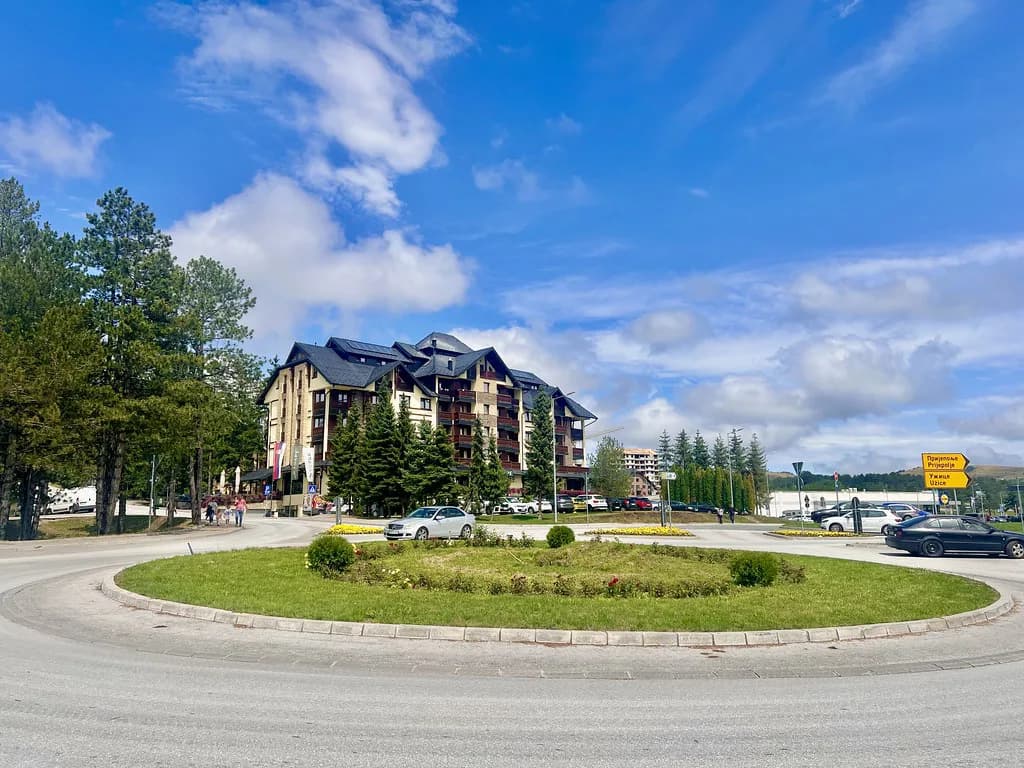
The mountains are a different country. Tara, Kopaonik and Zlatibor sit higher and cool faster, so expect single-digit mornings, rain that turns to sleet at altitude, and fog that can swallow a viewpoint for hours. The seasonal breakdown notes mountain temperatures falling as low as -5°C (23°F) in winter, which tells you October is already sliding in that direction.
Rain is the real cost of October. It rarely rains all day, but fronts roll through regularly, so build flexibility into any plan that hinges on a gorge view or a mountain trail. A day of city museums and cafés is a sensible fallback to keep ready.
What October looks like across the country
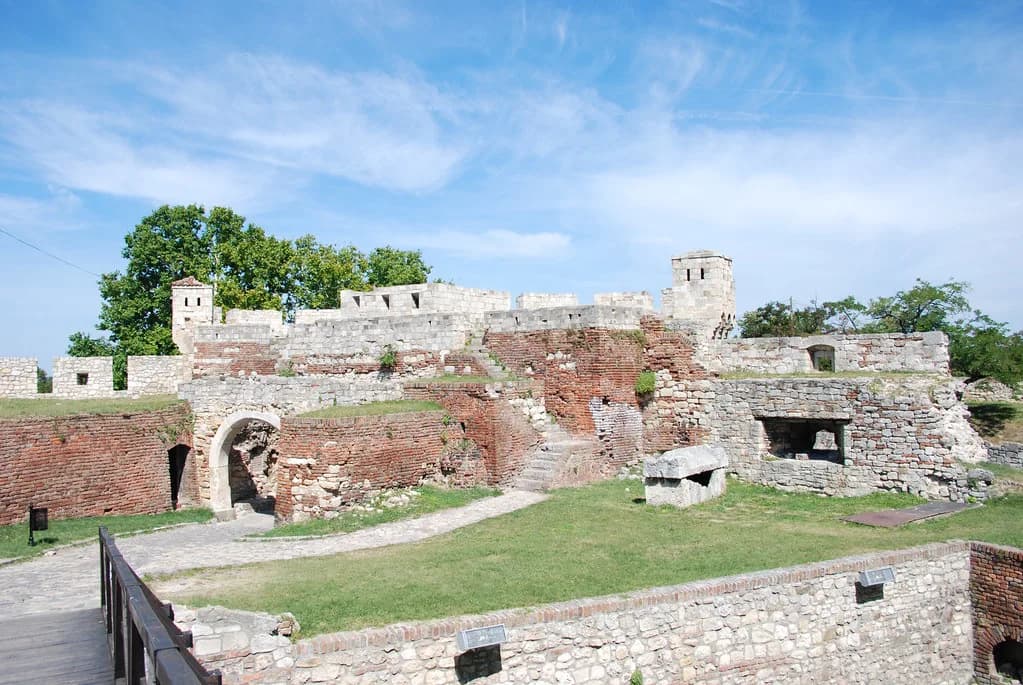
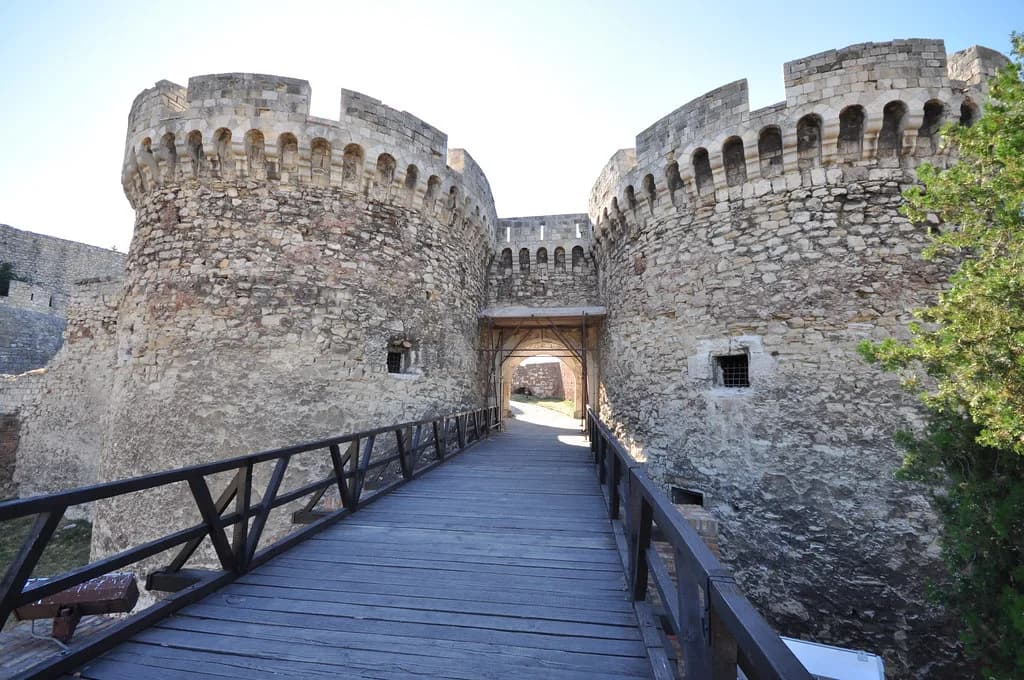
Belgrade holds up well in October: Kalemegdan Fortress and the Kalemegdan Park above the Sava and Danube confluence stay walkable, and the cafe terraces of the old town are quieter than in summer. Use the city as a base for two or three days of museums and river views without the crush.
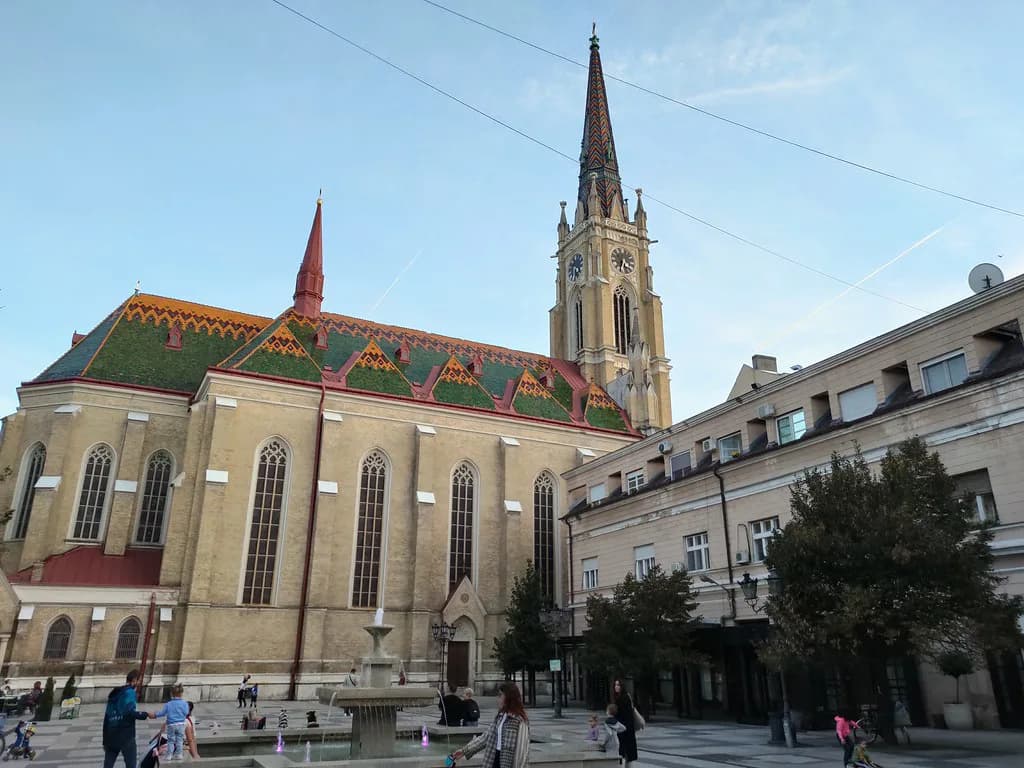
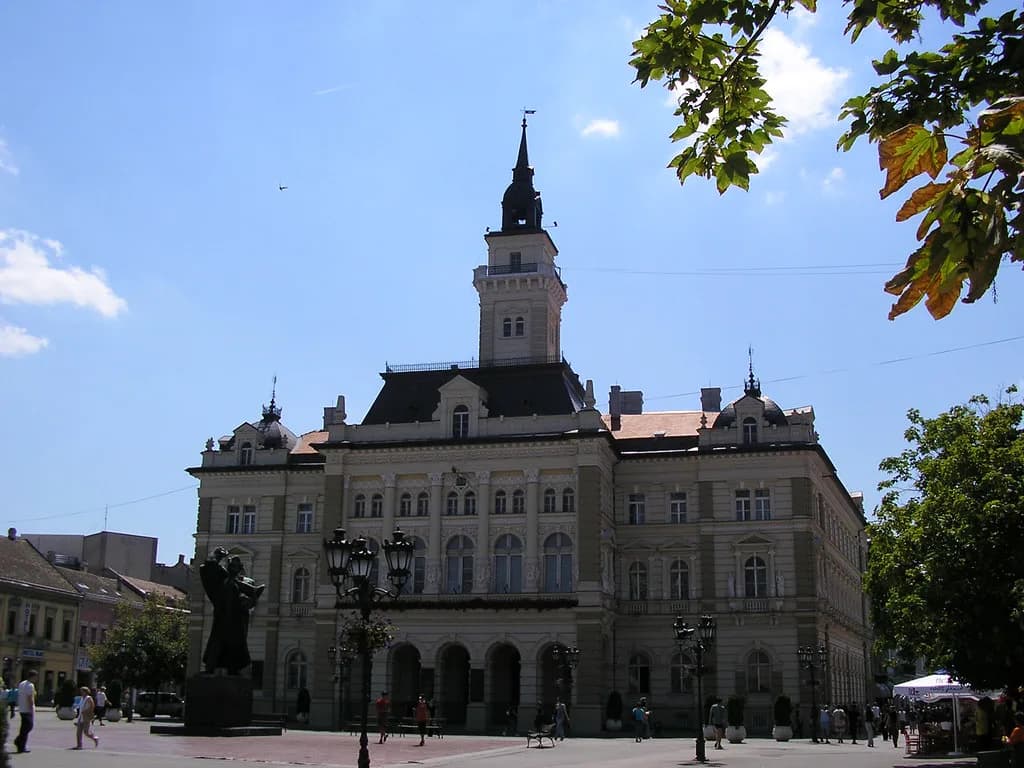
Novi Sad and the Fruška Gora ridge just south of the Danube are the heart of the month. The wine hills are in harvest, the monasteries along the ridge sit in beech woods turning gold, and the town itself is compact enough to see in a day before heading into the vineyards.
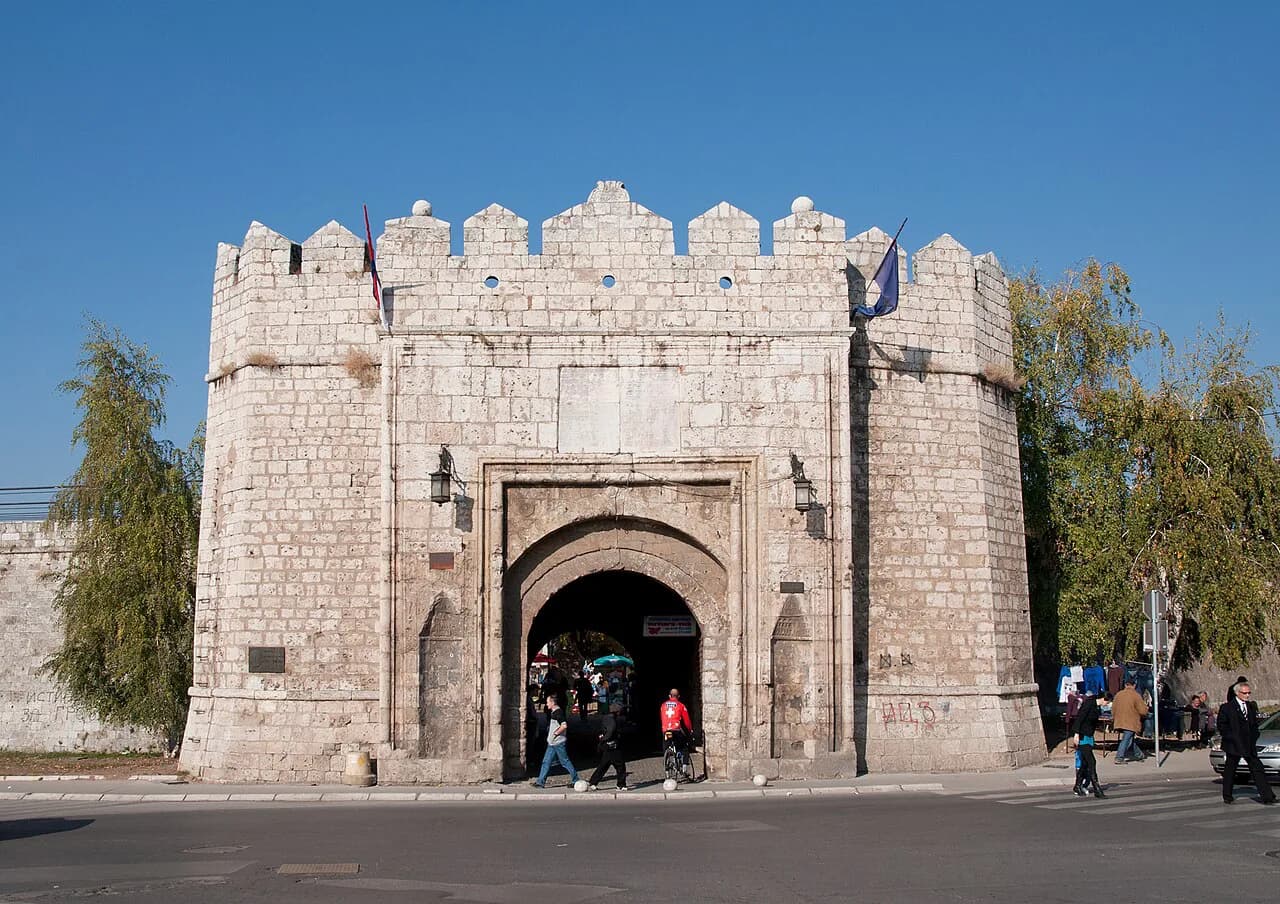
In the south, Niš combines Roman and Ottoman layers with a lively food scene, and the surrounding hills are pleasant walking in October. On the western side, Tara National Park and the Drina canyon give you the country's most dramatic scenery, with viewpoints that reward an early start before the fog builds.
Đerdap National Park, the Iron Gates stretch of the Danube in the east, is at its best in clear autumn light, when the river narrows between cliffs and the forests change color. Allow a full day for the drive and viewpoints rather than squeezing it into a half-day.
Autumn harvest: wine country and the table
October is grape harvest in Fruška Gora and around Oplenac, and many wineries open their cellars for tastings during this window. This is the moment to try local varieties and the region's aromatic white wines rather than a quick souvenir bottle.
The season also shows up on the table. Markets fill with peppers for ajvar, the roasted red pepper spread, along with quince, pumpkin and fresh walnuts, so a morning at a Belgrade or Novi Sad market is worth planning around. Autumn is widely treated as prime wine and food season here, as the seasonal guide sets out, and the harvest tables back that up.
Crowds, prices and daylight
October is a shoulder month, so the summer crowds around Kalemegdan, Petrovaradin and the main squares have thinned and you can walk into restaurants without a wait. Prices in cities typically soften outside the peak weeks, and the mood is calmer; for what everyday costs look like, see our guide to whether Serbia is cheap.
Daylight is the hidden trade-off. Sunset arrives noticeably earlier as the month runs on, so plan outdoor sights for the morning and keep museums, monasteries and cellars for late afternoon. This matters most for drivers, who should avoid long mountain transfers after dark.
Festivals and events that shape the month
October programming leans toward culture rather than stadium-scale music. Belgrade's jazz and theatre calendars are active in autumn, and Niš hosts food-focused events showcasing Balkan cooking, with dates published by the organisers closer to the season, as the month-by-month seasonal guide outlines.
The big summer fixtures, including EXIT in Novi Sad and the Guča trumpet gathering, fall outside October. If live music is the reason for your trip, the warm months are the better fit, and our Serbia in August guide covers that peak.
Drawbacks
Rain and shortening days are the honest downsides, and mountain fog can cancel a viewpoint you drove two hours to see. Build a spare day into any hill-country itinerary, and treat the weather as something you plan around rather than fight.
Some seasonal places wind down. Rural guesthouses, boat trips and open-air attractions tied to summer may reduce hours or close after the season, so ask the property or operator directly when you book rather than assuming a listing still holds.
If you are hiring a car for the hills, autumn driving means wet roads, leaves and early dusk. Our guide to renting a car in Serbia covers the practical side, and renting a car is often the difference between seeing the gorges and merely reading about them.
How many days you need in October
A week is a comfortable October trip. Give Belgrade two or three days, Novi Sad and Fruška Gora two, and use the remainder for either the western hills around Tara and the Drina or the eastern Danube at Đerdap, not both.
With four or five days, cut to Belgrade plus Novi Sad and one wine day, which keeps transfers short and leaves room for a rain-hit afternoon. Ten days lets you add the south around Niš and drive a proper loop without rushing the mountain roads.
Getting there and getting around in October
Belgrade is the main air gateway, with Nikola Tesla Airport connected to the city by bus and taxi, and Novi Sad reachable by train or bus on a straightforward route north. Book rail and bus legs close to your dates so the timetable you plan around is the current one.
Between cities, buses and trains do the job; for the gorges, monasteries and wine hills, a car is far more practical, since rural connections thin out in autumn. If you would rather not drive, base yourself in Novi Sad and book a local wine tour for Fruška Gora.
Connectivity is easy to arrange on arrival. A Serbia eSIM or a prepaid SIM card bought locally covers navigation and translation, which matters more once rural guesthouses and mountain roads are on the plan.
October versus September and November
September is the warmer, drier neighbor: lake and river swimming is still plausible and the wine harvest is beginning, which makes it the better pick if you want outdoor water time. October trades some of that warmth for gold foliage and an even quieter feel, and the cooler 15°C (59°F) to 25°C (77°F) band reported for autumn keeps days pleasant.
November is the colder, wetter option, with published averages around 4°C (39°F) to 11°C (52°F) and more rain, so it suits city breaks and spa time rather than hiking. If you want the sweet spot, October sits between the two on both warmth and crowd levels.
Against the summer months, October wins on comfort and cost but loses on festivals and swimming; against spring, it wins on harvest and foliage but loses on blossom. Our wider best time to visit Serbia comparison sets out the same trade-offs for every month.
Who should choose a different month
Choose another month if you want to swim in rivers and lakes, if your trip is built around EXIT or the trumpet festival, or if you plan to ski. June, July and August serve the first two, and the winter months serve Kopaonik.
Travelers who need long, warm evenings and guaranteed dry days should weigh May or September instead. Families tied to school holidays will find October's shorter days and wet spells easier to manage in the cities than in the mountains.
Should You Go to Serbia in October?
October is one of the best months for a Serbia trip built around cities, wine, monasteries and river scenery. Mild lowland days, harvest tables and thinner crowds outweigh the rain and shorter daylight for most travelers, provided the mountains get a flexible slot in the plan.
Book the city and wine core first, add one mountain region rather than two, and check seasonal hours directly with rural operators. If you are still deciding whether the country fits you at all, start with our Serbia verdict before fixing the dates, and if you are weighing a wider Balkan loop, read is Kosovo worth visiting alongside it.
Frequently Asked Questions
Is it cold in Serbia in October?
In the lowlands it is mild rather than cold, with days typically in the mid-teens to low twenties Celsius and cool evenings. Mountain areas like Tara and Kopaonik are noticeably colder and can be foggy or wet, so a jacket and layers matter more there than in Belgrade or Novi Sad.
Is October a good time to visit Serbia?
Yes, for city breaks, wine country, monasteries and river gorges. Crowds are thinner than in summer and the harvest season is in full swing. It is a poor fit only if you want swimming weather or the big summer festivals.
Does it rain much in Serbia in October?
Rain becomes more frequent than in late summer, often arriving in passing fronts rather than all-day downpours. Plan outdoor sights for the morning and keep museums, cellars and monasteries as wet-weather options so a single rainy day does not derail the trip.
Is October better than September for visiting Serbia?
September is warmer and better for water and late-summer outdoor time. October brings gold foliage, harvest tastings and even quieter streets, at the cost of cooler days and shorter evenings. Choose September for warmth, October for atmosphere and calm.
How many days do you need in Serbia in October?
A week covers Belgrade, Novi Sad with Fruška Gora, and one mountain or gorge region at a comfortable pace. Four to five days works for Belgrade plus a wine day, while ten days lets you add Niš and drive a full loop.
Sources
Trip-decision notes
Optional updates when we publish or revise a destination verdict.
You might also like
Continue reading
More guides you'll find useful