Serbia Itinerary: How Many Days You Need and Where to Go
A Serbia itinerary that fits your days: one week covering Belgrade, Novi Sad, Zlatibor and Tara, plus shorter three and five day versions with a car.
On this page
Plan on five to seven days for a Serbia itinerary that includes both cities and mountains; three or four days buys you Belgrade plus a Vojvodina loop and nothing west of Zlatibor. The country is compact on paper but slow on the ground, because the good parts sit in different corners: the northern plains around Novi Sad, the Danube gorge in the east, and the mountain country of Zlatibor and Tara in the southwest.
The single biggest decision is whether you rent a car. Belgrade works on foot and by tram, but the mountain reserves and the fortified Danube bend reward a vehicle, and public transport turns a two-hour drive into a half-day ordeal. Decide the car question first, then choose your day count, because the two constrain each other more than any list of sights.
The verdict: how long Serbia deserves
Give Serbia a week if you want the full contrast of Ottoman-influenced cities, Austro-Hungarian towns and wild river gorges; give it three days if you only want a city break with a wine detour. A week is the threshold at which the country stops feeling like a stopover and starts making sense as a destination. If you are still weighing the country against its neighbors, our take on whether Serbia is worth visiting lays out who it suits and who should look elsewhere.
Travelers who hate long transfers should pick either the north or the southwest and skip the other. Serbia's roads are decent but the driving adds up fast once you leave the highways, and a plan that tries to hit Novi Sad, Niš and Tara in five days is mostly a plan for sitting in a car. The itineraries below keep the driving honest.
How many days you need in Serbia
Three to four days: Belgrade plus a day trip to Novi Sad, with an optional stop in Sremski Karlovci or Subotica. This suits a first visit, a long weekend, or anyone combining Serbia with a wider Balkan trip. Belgrade alone deserves at least a full day on foot, and two if you like museums and riverfront evenings.
Five days: add one mountain or Danube day to the city core. The two sensible extensions are Golubac Fortress with the Đerdap gorge, or a single overnight in Zlatibor for Tara National Park. Five days is where a car starts to pay for itself, because both extensions are awkward by bus.
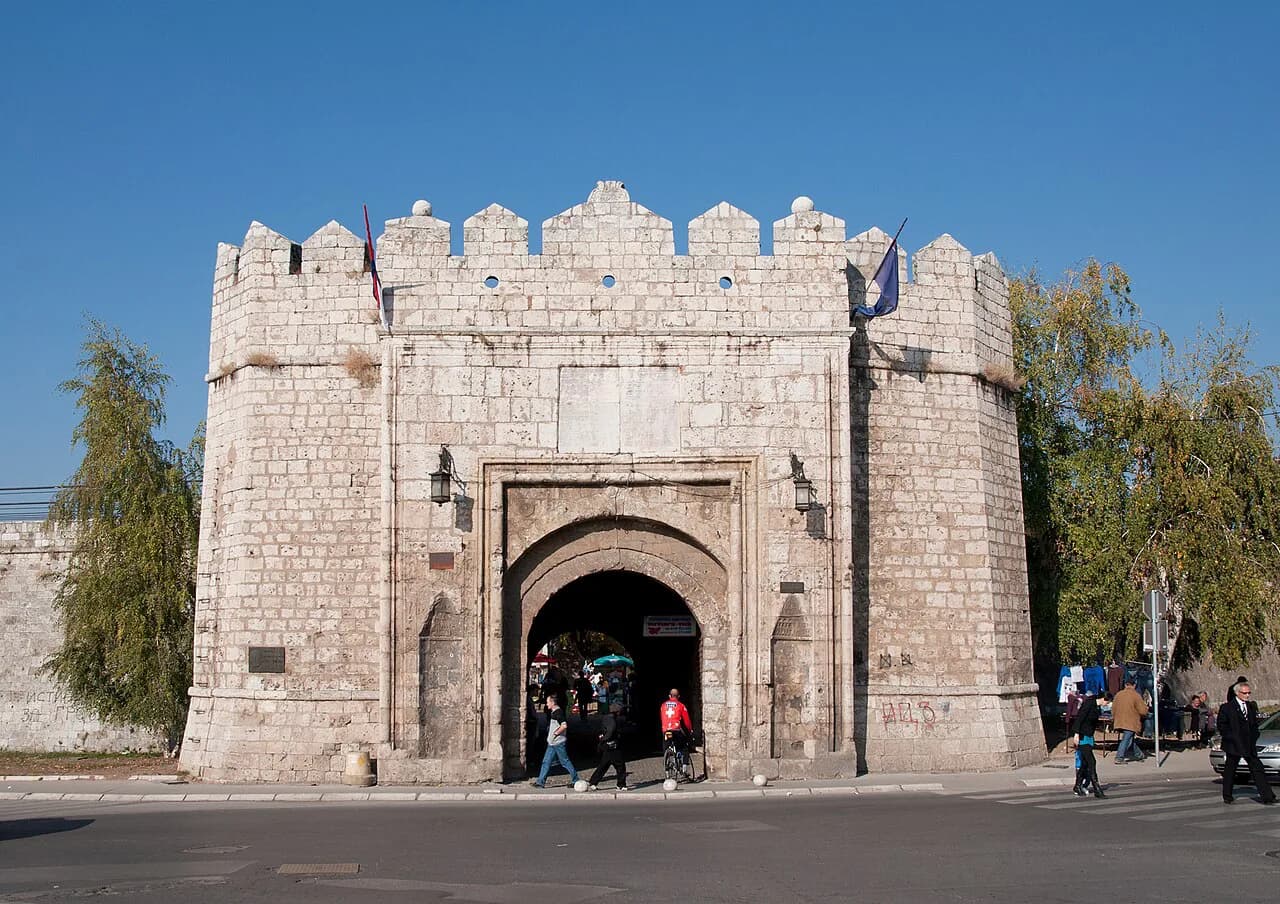
Seven days: a proper loop covering Belgrade, Novi Sad and Vojvodina, the Danube fortresses, and the western mountains around Zlatibor, Uvac and Tara. This is the itinerary most travelers picture when they search for a Serbia itinerary, and it is the one that fits without rushing. Ten days lets you add the south — Niš, Devil's Town and Stara Planina — which is a different trip and a much longer drive from Belgrade.
The one-week road trip: Belgrade, Novi Sad, Golubac, Zlatibor, Tara
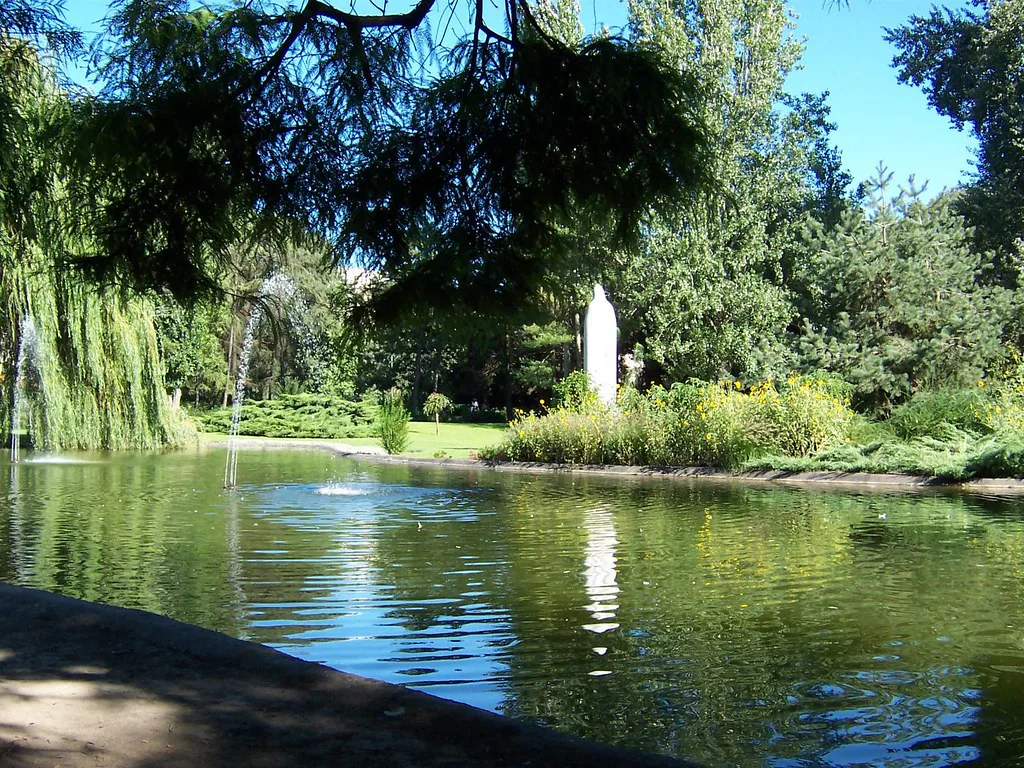
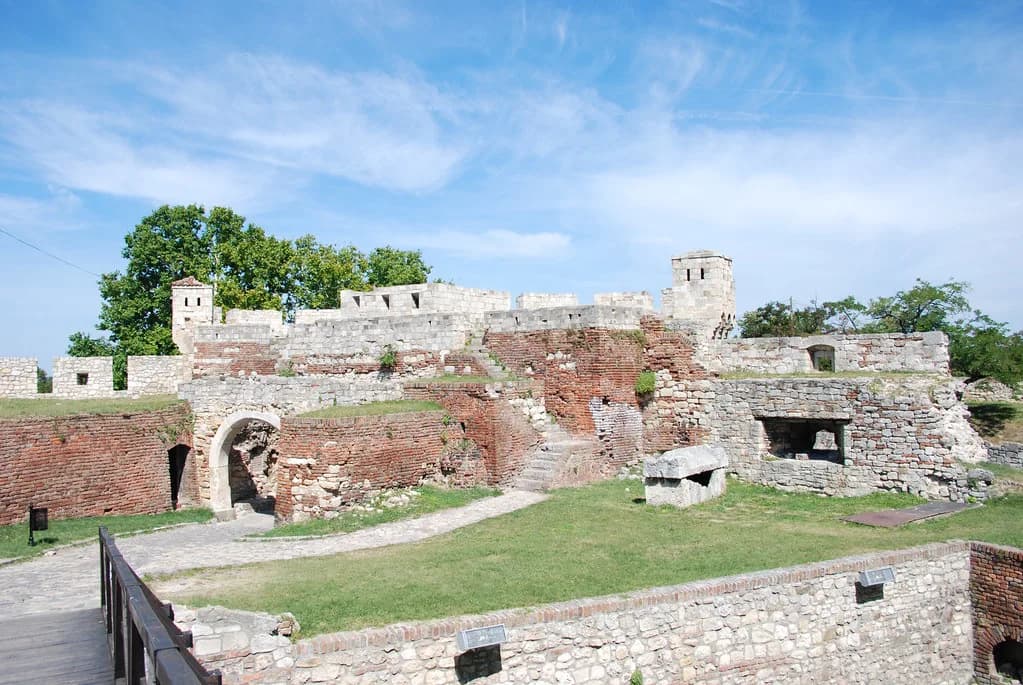
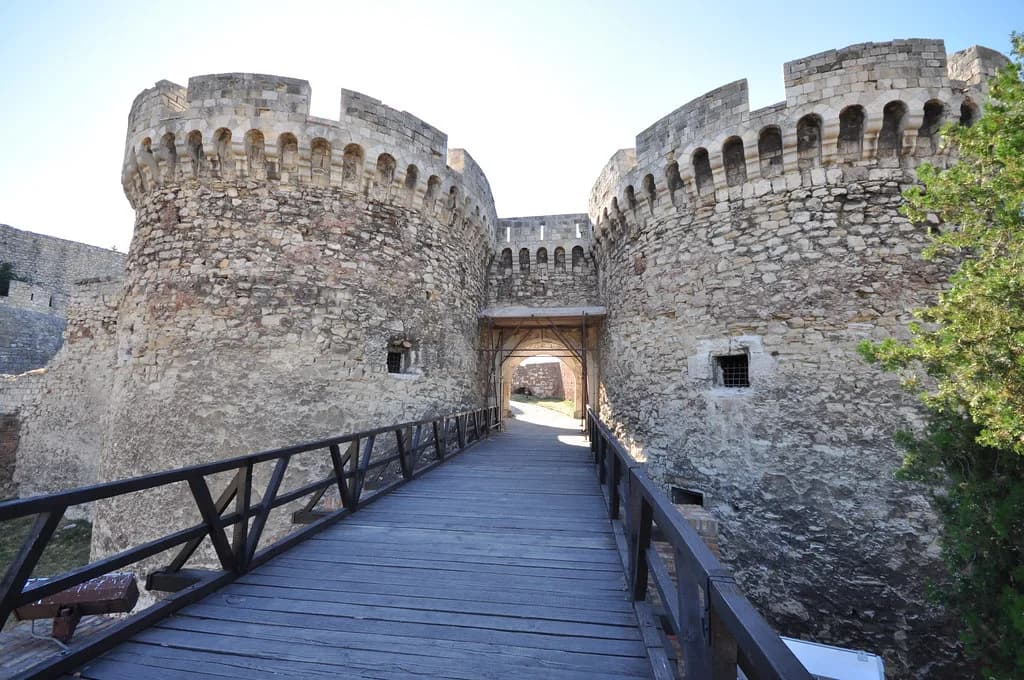
Start with two nights in Belgrade, using the first day for the old town and the second for Zemun and Novi Beograd across the rivers. Kalemegdan Fortress, the green ridge above the Sava and Danube confluence, anchors the historic core, and the pedestrian Knez Mihailova street runs from it back into the center. One published plan suggests the Jevremovac Botanical Garden and the National Museum as indoor counterweights to a hot afternoon, which is sensible in July and August.
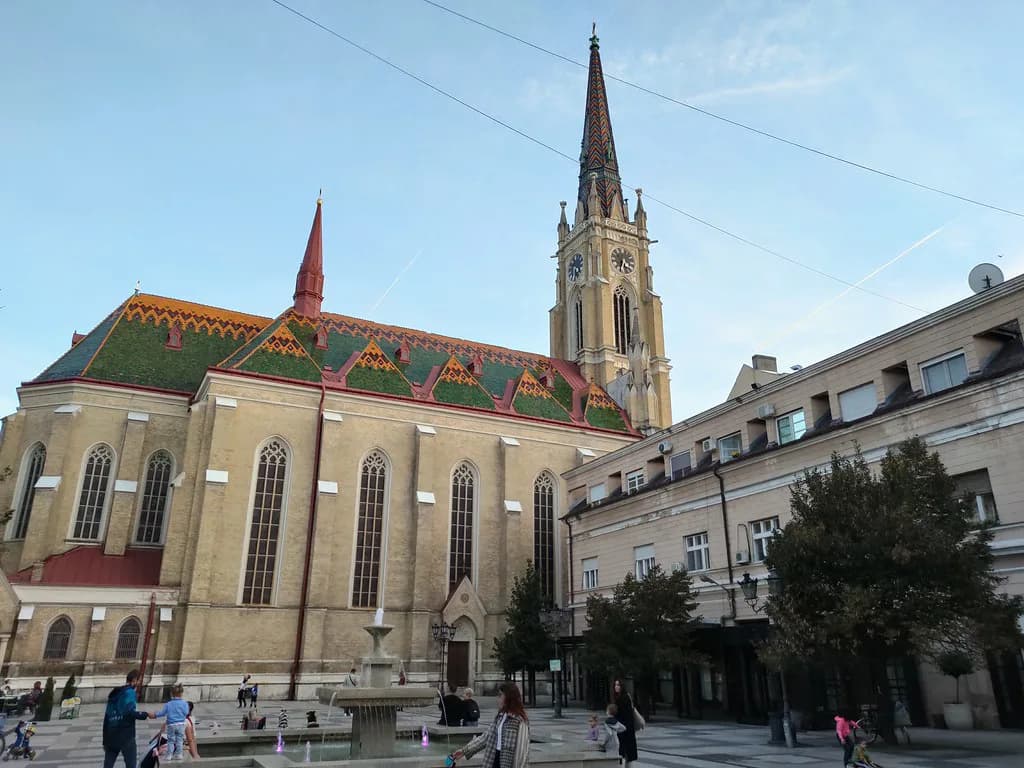
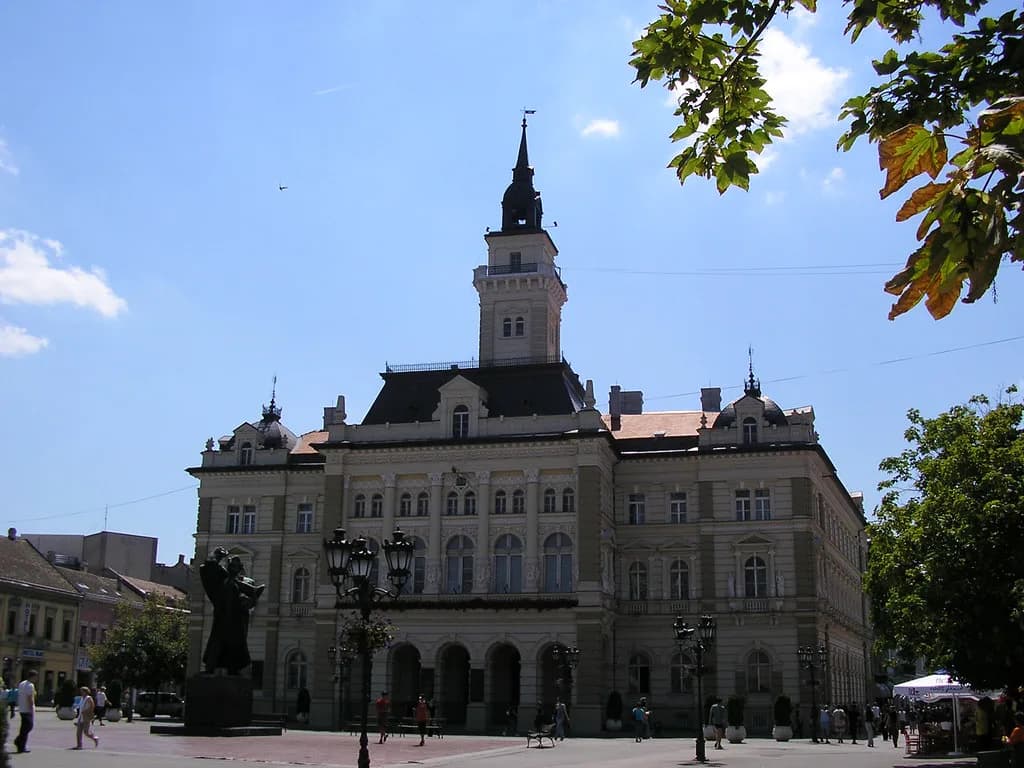
Drive to Novi Sad the next morning — just over an hour on the highway — and detour 20 minutes before it to Sremski Karlovci, a small wine town of cobbled lanes and family cellars. Novi Sad itself gives you Freedom Square, the pedestrian Zmaj Jovina street and the Petrovaradin Fortress across the Danube, whose clock tower famously runs its hands in reverse. Wine country around Fruška Gora is the reason to linger here rather than treat the city as a photo stop.
From Novi Sad, head east for Golubac Fortress at the entrance to the Đerdap gorge, about two hours from Belgrade on the Danube road. The 14th-century fortress has nine towers and a palace, and some sections open only on guided visits, so decide on arrival whether you want the standard circuit or the fuller tour. Continue 40 minutes to Donji Milanovac for Lepenski Vir, the prehistoric settlement whose carved stone figures are among the oldest artworks in Europe, and sleep in the gorge or push on.
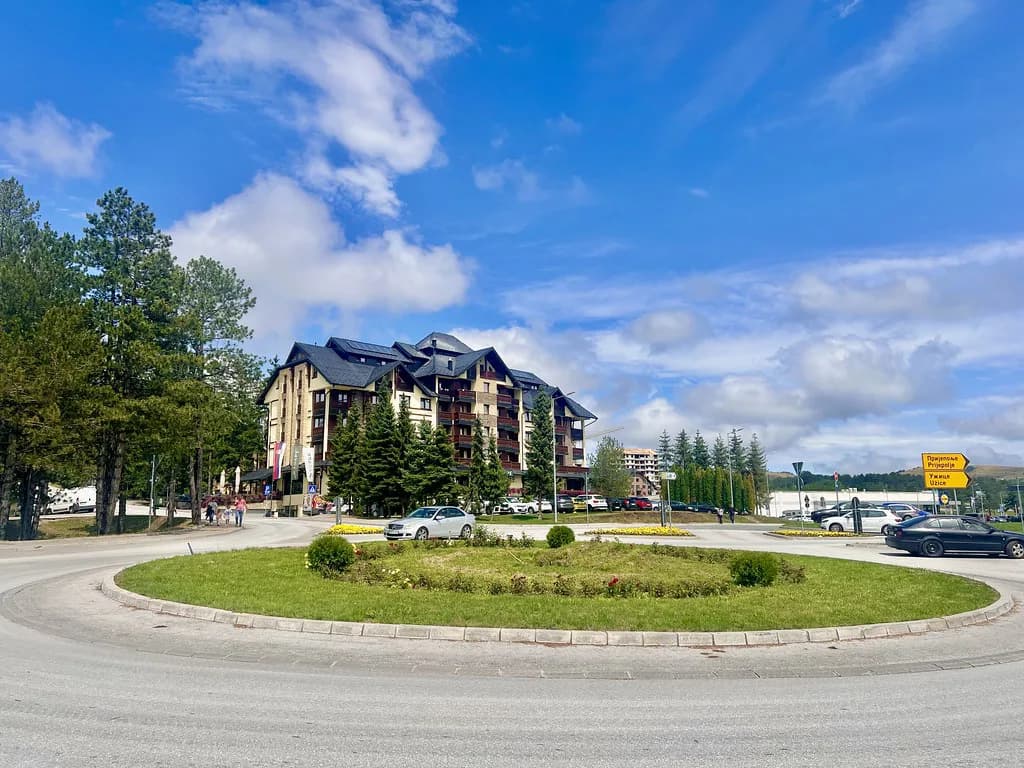
Cross to the southwest for Zlatibor, the mountain resort that makes the best base for Tara National Park and Uvac Special Nature Reserve. The Zlatibor Gold Gondola connects the town center with Tornik peak via Lake Ribnicko, which is the easiest way to get high views without a hike. Expect a long transfer day to get here, and plan the following morning early if you are taking a boat tour at Uvac.
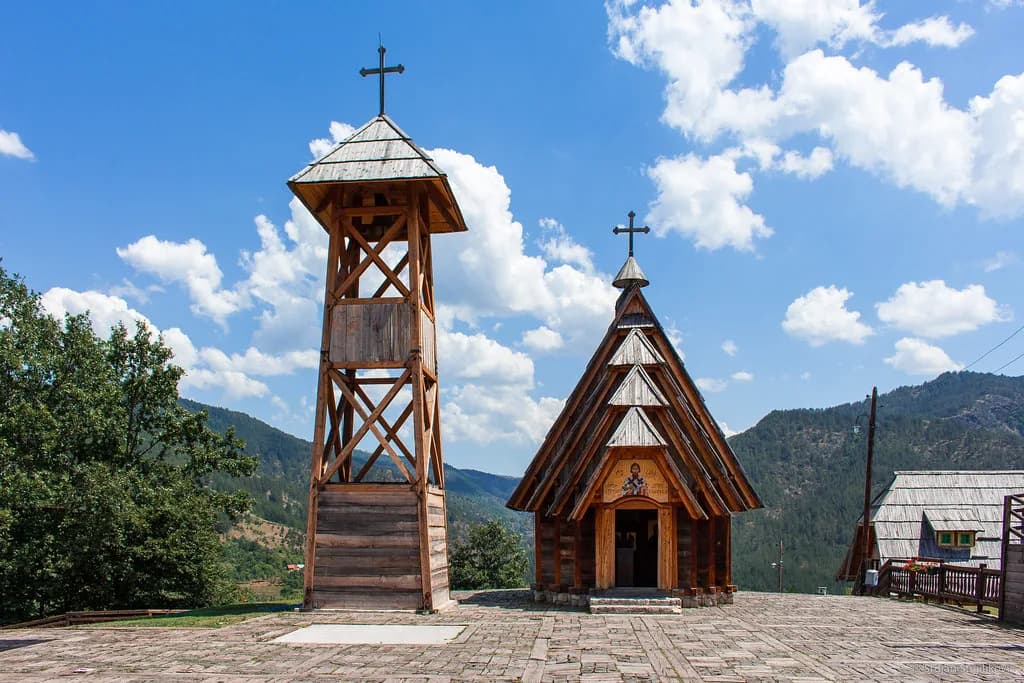
Tara National Park fills a day with forest trails, lakes and Drina river viewpoints, and it rewards an early start rather than an afternoon dash. Return toward Belgrade via the Danube if you have the time: the drive through Đerdap National Park and past Silver Lake makes a scenic last leg instead of a motorway slog. Travelers with only five days should cut this return loop first.
What each stop is worth
Belgrade: essential, and enough on its own for a short trip. Two days covers the fortress, the old-town streets and Zemun's quiet riverside character; more than that is for repeat visitors or nightlife. The city is walkable and tram-connected, so do not pick up a rental car here — the city is where a car hurts most.
Novi Sad: worth one full day, with Sremski Karlovci or Fruška Gora as a half-day add-on. It is smaller and calmer than Belgrade, with a strong café culture and the fortress giving the best views; treat it as a base rather than a checklist.
Subotica: a half-day to full-day detour for Art Nouveau architecture, about an hour's drive north of Novi Sad. The catch is geographic — going north first makes the later drive to Zlatibor around three and a half hours instead of roughly two hours 45 minutes from Belgrade, so weigh the detour against a tired evening on the road.
Golubac and Đerdap: a full day as a return leg from Belgrade, not a separate loop. The fortress, the gorge cruise and Lepenski Vir combine naturally into one long day, and the cruise is the way to see the fortress walls from the water rather than from the car park.
Uvac and Tara: each takes a day, and both are better from a Zlatibor base than as day trips from Belgrade. Uvac is about the raptor scenery and the meandering canyon; Tara is about forest, lakes and rafting on the Drina. Neither is a place to squeeze in after lunch.
A five-day version for tight schedules
Day one in Belgrade on foot, day two in Novi Sad with Sremski Karlovci on the way, day three at Golubac and Đerdap, day four driving to Zlatibor with an afternoon on the gondola, day five in Tara before returning. That is four driving days out of five, so it only works if you enjoy the road and start early.
If that feels like too much windshield time, drop Golubac and give the fifth day to Uvac instead. The gorge fortress is spectacular but it is the eastern outlier on a western loop, and skipping it removes about four hours of driving. Choose one mountain anchor — Uvac or Tara — rather than both on a five-day trip.
A three-to-four-day city-and-Vojvodina version without mountain driving
This is the version for travelers who will not rent a car. Base yourself in Belgrade for two nights and Novi Sad for one or two, using the frequent intercity trains and buses on the corridor between them. Belgrade's old town, Kalemegdan and Zemun fill two days comfortably; Novi Sad's center and Petrovaradin Fortress fill one, with a Fruška Gora wine village as a taxi or tour add-on.
Subotica slots in as a day trip from Novi Sad if you have a fourth day, and Sremski Karlovci works as a stop on the train line rather than a separate excursion. What you give up is the mountain country entirely — no Zlatibor, no Tara, no Uvac. Accept that trade-off and you get a relaxed, car-free trip with good food and architecture instead of a rushed highlights tour.
Getting around: rental car versus buses and trains
A rental car is the right call for any itinerary that includes Tara, Uvac or Đerdap, and the wrong call for a city-only trip. Pick it up as you leave Belgrade rather than on arrival, since city driving and parking are the least pleasant part of the trip. Our guide to renting a car in Serbia covers the paperwork and pickup logistics at Nikola Tesla Airport.
Buses and trains cover Belgrade to Novi Sad well and reach Subotica and Niš, but they thin out badly in the mountains, where you end up dependent on tours or taxis. The Serbian rail network has improved on the main northern corridor but does not solve the southwest. If you are going car-free, keep the plan to cities and Vojvodina.
Where a car helps and where it hurts
A car helps on the Danube road east of Belgrade, around Fruška Gora's wine villages, and anywhere in the Zlatibor–Tara–Uvac triangle. It hurts in Belgrade's center, where parking is scarce and the old town is compact enough to walk. Novi Sad is a middle case: useful for the Fruška Gora detour, unnecessary for the city itself.
The other cost is time. Long transfers eat into daylight, and mountain roads are slower than the map suggests. Build in one relaxed day per three driving days, or you will remember Serbia as a series of car parks and service stations.
When to go: spring, summer, autumn and winter trade-offs
Late spring and early autumn are the best time to visit for hiking and city sightseeing: mild days, open trails and fewer crowds than July and August. Summer brings the warmest weather and the liveliest riverfront evenings in Belgrade, but also peak prices and the busiest weekends in Zlatibor, which is a popular domestic resort. Our month-by-month guide to the best time to visit Serbia breaks down temperatures and rainfall.
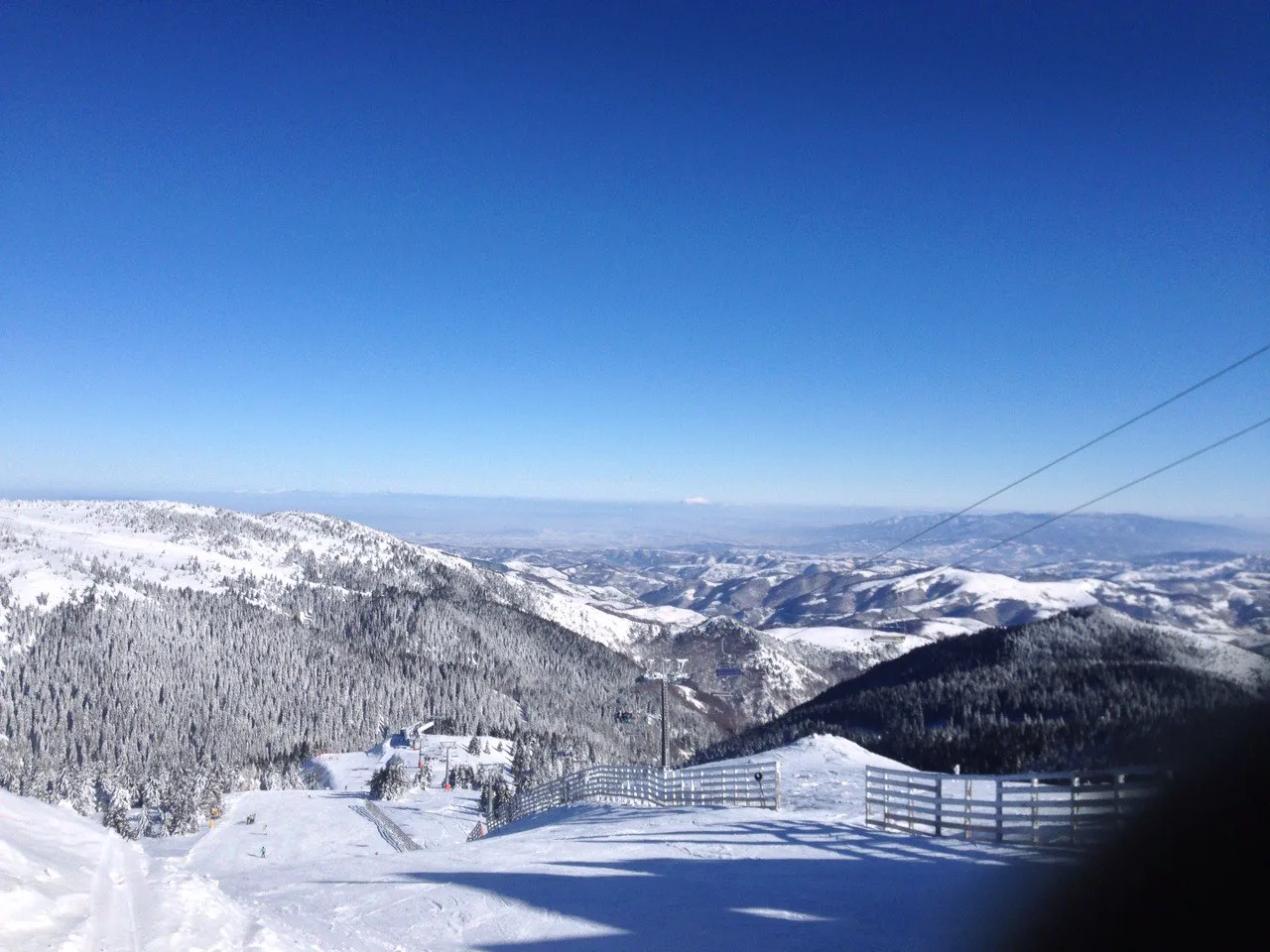
Winter turns Zlatibor and Tara into ski and snow country, with short daylight and some seasonal closures on mountain trails. It is a good season for Belgrade's museums and cafés and a poor one for a driving loop through the gorges, where snow and ice can slow the Danube road.
Typical costs and what drives them
Serbia is a mid-priced Balkan destination: cheaper than Croatia or Slovenia, more expensive than Bosnia and Herzegovina for accommodation in Belgrade. Your budget is driven mostly by car hire, fuel and mountain accommodation in Zlatibor, which spikes in the domestic high season. City hotels and restaurant meals are the flexible part of the budget. If Bosnia and Herzegovina is on your shortlist, see whether Bosnia is worth visiting before you commit your days there.
Prices are quoted in dinars, and card acceptance is wide in cities but patchier in villages and at small wineries, so carry some cash. Our guide to money in Serbia explains the currency, ATMs and tipping. Highway tolls and fortress entry fees exist but vary, so confirm the current amounts when you book or at the ticket window rather than budgeting a fixed figure.
Drawbacks worth planning around
The driving distances are the main drawback: Serbia looks small but the highlights are spread across three regions, and a five-day trip that tries to cover all of them is mostly transit. Pick two regions and do them well. Second, public transport outside the Belgrade–Novi Sad corridor is thin, which limits car-free travelers to the north.
Third, the popular mountain spots are busy with domestic visitors in summer and winter holidays, which affects both prices and trail congestion. Fourth, some sections of major sights are only accessible on guided tours, so arrive with time to join one. None of these is a reason to skip Serbia; they are reasons to plan fewer stops.
Verdict by traveler type
First-time visitors with a week: do the full loop — Belgrade, Novi Sad, Golubac, Zlatibor and Tara — and rent a car on day three. City-break travelers with three days: Belgrade and Novi Sad by train, no car, no mountains. Hikers and nature travelers: skip the cities beyond one day and base yourself in Zlatibor for Uvac and Tara.
Wine and food travelers: Novi Sad, Sremski Karlovci and Fruška Gora, with a Danube day at Rajac if you have time. Families: the Zlatibor gondola and lake make an easy mountain base, but keep driving days short. Anyone comparing Serbia with Croatia should know they are different trips — Serbia is cheaper, less polished and far less crowded on the coast-free interior.
Plan Your Visit
Choose your day count first, then your regions, then your car. Seven days gives you cities and mountains; five days forces a choice; three days means Belgrade and Novi Sad, full stop. Whichever you pick, book the mountain base early in high season and leave a buffer on the long transfer days.
For entry rules and travel advisories, use your own government's official travel page for Serbia rather than third-party summaries. Everything else — routes, driving times, stop-by-stop priorities — you can settle with the plan above.
Explore more Serbia trip-decision guides
Frequently Asked Questions
How many days in Serbia is enough?
Five to seven days covers Belgrade, Novi Sad and either the Danube gorge or the western mountains. Three days is enough for Belgrade plus a Novi Sad day trip, while ten days lets you add the south around Niš and Stara Planina.
Is one week enough for Serbia?
Yes, if you rent a car and focus on two regions. A week fits Belgrade, Novi Sad, Golubac and the Zlatibor–Tara area, but only because the driving is broken up sensibly; trying to add the south as well turns the trip into a transit marathon.
Do you need a car for a Serbia itinerary?
You need one for Tara, Uvac and Đerdap, and you do not need one for Belgrade, Novi Sad or Subotica, which are linked by train and bus. The practical middle ground is to explore the cities car-free and pick up a rental as you leave Belgrade.
Which month is best to visit Serbia?
Late spring and early autumn give mild weather, open trails and thinner crowds than July and August. Summer is best for riverfront evenings and mountain resorts, while winter suits city museums and ski areas rather than long driving loops.
Is Serbia worth visiting compared with Croatia?
They are different trips: Croatia sells the Adriatic coast, while Serbia offers cities, wine country and inland mountains at lower prices and with fewer crowds. Pick Serbia if you want an inland, less polished and cheaper Balkan trip, and Croatia if beaches are the point.
Sources
Trip-decision notes
Optional updates when we publish or revise a destination verdict.
You might also like
Continue reading
More guides you'll find useful