Getting Around Serbia: Buses, Trains and When to Rent a Car
Buses reach almost everywhere, the Belgrade–Novi Sad fast train is Serbia's best rail ride, and a rental car unlocks the mountains. Here's how to choose.
On this page
Getting around Serbia comes down to one decision: stick to buses and trains for city-to-city travel, or rent a car to reach the mountains. The public network is broad and inexpensive by Western European standards, but it thins out quickly once you leave the Corridor X motorway spine between Hungary, Belgrade, Niš and North Macedonia.
If your trip is Belgrade, Novi Sad and Niš, you can skip the car entirely and travel comfortably by bus and rail. If you want Tara National Park, Zlatibor, Uvac Canyon or Đavolja Varoš, a rental car stops being a luxury and becomes the practical choice, because bus connections to those places are slower and less frequent.
This breakdown compares each mode honestly, covers the driving rules that differ from what American and British drivers expect, and ends with a trip shape that mixes buses, trains and a short car rental.
The verdict: bus, train or rental car
Take the bus if you are city hopping on a budget. Serbia's coach network connects Belgrade with Novi Sad, Niš, Subotica, Kragujevac, Zlatibor and Kopaonik, plus many smaller towns that rail does not serve, and services are generally frequent and affordable.
Take the train for two specific rides: the Soko fast service between Belgrade and Novi Sad, and the scenic Belgrade–Bar line toward Montenegro. Everywhere else, trains are slower than buses and reach fewer places, so treat rail as an experience rather than your main transport strategy.
Rent a car for the west and south. Western Serbia around Tara National Park, Zlatibor and Mokra Gora is mountainous, with slower roads through valleys and forested hills, and a car turns a two-bus day into a straightforward drive.
The mistake most travelers make is renting a car in Belgrade for a city-only trip. Parking in Belgrade and Novi Sad is difficult and expensive, traffic is heavy, and the city bus, tram and trolleybus network plus ride-hailing apps cover the center well.
If you are still weighing whether the country justifies the logistics, start with a broader look at whether Serbia is worth visiting before you commit to an itinerary shape.
Buses: the backbone of the network
Long-distance buses are the most widely used and practical way to travel around Serbia. Belgrade's central bus station is the main coach hub, with extensive domestic and international connections, and Novi Sad and Niš have significant regional terminals of their own.
The fleet ranges from basic regional buses to long-distance coaches with air conditioning and luggage compartments, and some routes offer Wi-Fi. Buses are often faster than trains on the same corridor, which is why they carry most intercity traffic.
Buy tickets at the station shortly before departure for most routes, but reserve ahead on summer weekends and around major events such as EXIT in Novi Sad, when seats fill. Expect delays in rural areas and bring cash, since some stations still take cash only.
Buses also fill the gaps that rail leaves. If your target is a smaller town or a mountain base without a station, the coach is usually the only public option, even if it means an early departure and a slow final stretch.
Trains: the Soko fast line and the slow scenic routes
The country's best rail service is the high-speed line between Belgrade and Novi Sad, part of the wider Belgrade–Budapest corridor. Serbia's Soko train covers that route in about 35 minutes, with free Wi-Fi and a comfort level well above traditional Balkan rail travel.
Trains are operated by Srbija Voz, which connects Belgrade with Novi Sad, Niš, Subotica, Užice and other regional centers. Check timetables and buy tickets through the official railway site rather than relying on station boards alone.
The Belgrade–Bar railway toward Montenegro is the standout scenic ride, crossing deep valleys, high bridges and forested mountains. It is slow by design and worth taking for the views rather than for speed; treat it as a half-day experience, not a transfer.
Elsewhere, expect older rolling stock on some routes and limited connections outside the big cities. If your itinerary is built around train travel alone, you will see less of Serbia than a bus-based plan would show you.
Renting a car: where it pays off and where it doesn't
Car hire is widely available, especially at Belgrade Nikola Tesla Airport and in the city center, with vehicles also available in Novi Sad, Niš and other larger towns, though choice is thinner outside the capital. Most international and local companies operate from the airport.
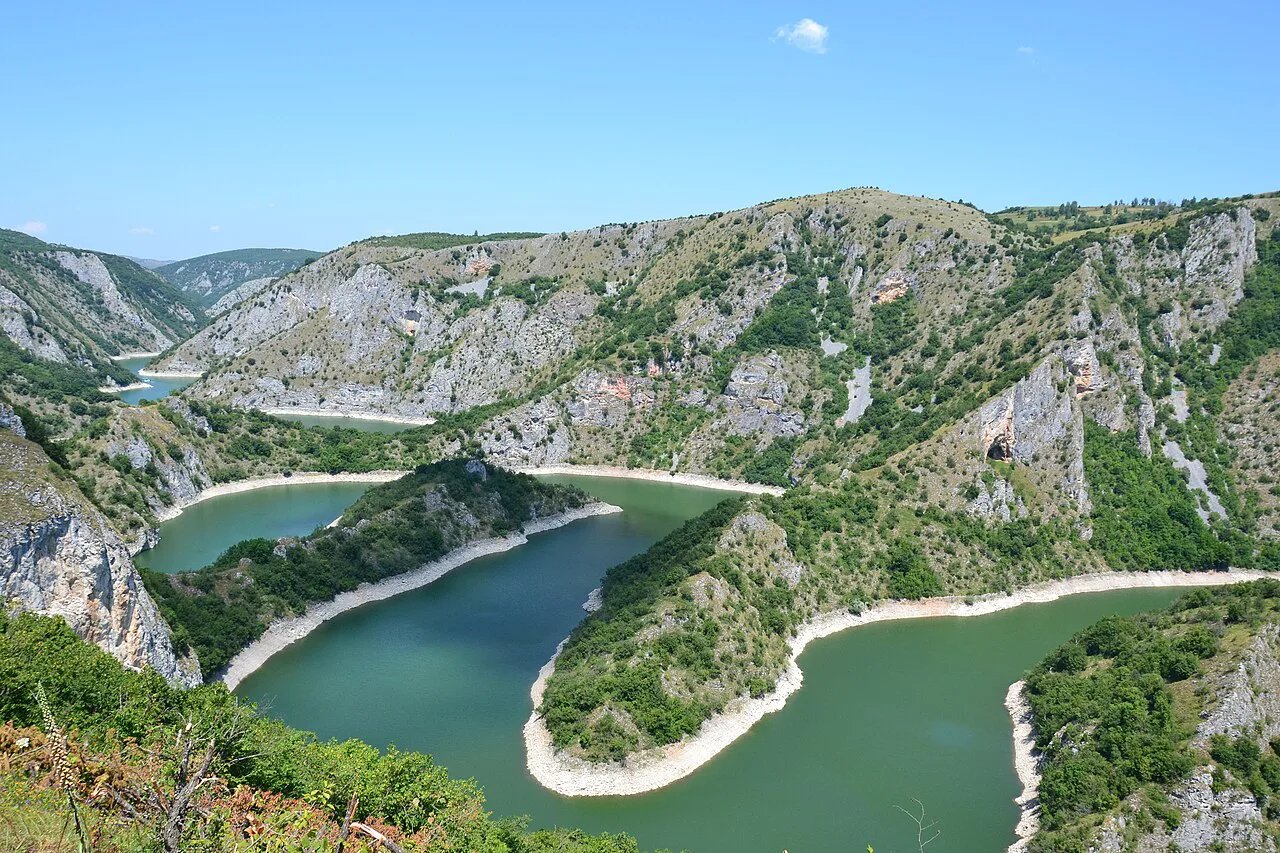
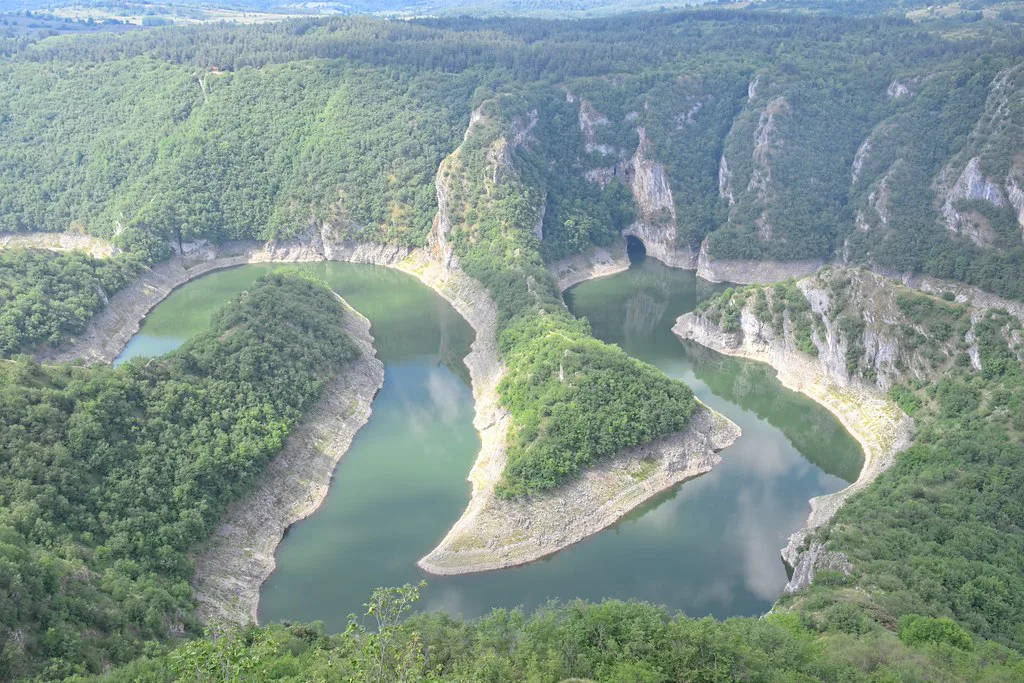
A car earns its keep in Vojvodina's wine country, Tara National Park, Zlatibor, Kopaonik and around Uvac Canyon and Đavolja Varoš, where public transport is slow or absent. It is a liability in Belgrade and Novi Sad, where parking is a genuine hassle and traffic is aggressive.
Drivers must normally be at least 21, though some companies require 23 or older for certain vehicle categories. A national driving license is generally accepted, while an International Driving Permit is recommended if your license is not written in the Latin alphabet.
Before you sign, confirm insurance coverage, the excess, and whether cross-border travel is permitted, since taking a rental into neighboring Balkan countries usually needs extra documentation and fees. Cars hired for Serbia-only trips avoid that paperwork entirely.
Driving rules and road conditions you should know
Serbia drives on the right. Speed limits are generally 50 km/h (31 mph) in built-up areas, 80 km/h (50 mph) on secondary roads, 100 km/h (62 mph) on express roads and 130 km/h (81 mph) on motorways unless signs say otherwise. Dipped headlights must be on at all times, day and night, and seat belts are compulsory for all passengers.
The legal blood alcohol limit is 0.02 percent, one of the strictest in Europe, with a zero limit for novice and professional drivers. Police checks are common on weekends and holidays, and on-the-spot fines apply, so plan a designated driver if you plan to drink.
Motorways along Corridor X, the A1 route linking Hungary, Belgrade, Niš and North Macedonia, are well maintained. Secondary and rural roads are more variable, with narrow, winding stretches, occasional potholes and limited lighting in mountainous areas, so avoid night driving in the countryside where livestock and tractors share the road.
Winter tyres are compulsory in snowy or icy conditions between November and April, and higher-altitude routes in western and southern Serbia can be affected by snow and ice. Carry a warning triangle, reflective jacket and first-aid kit, which are mandatory equipment.
If a breakdown happens, the Automobile and Motorcycle Association of Serbia (AMSS) provides nationwide assistance and towing. Contact the rental company first if you are in a hire car, since most agreements include roadside cover.
Tolls, fuel and what driving really costs
Toll roads operate on most motorways, with payment accepted in Serbian dinars, euros and by major credit cards at larger toll plazas. Fuel stations are widespread on major highways and in towns, and fuel quality is generally good throughout the country.
Tolls and fuel add up on long road trips, and parking in Belgrade and Novi Sad can be both difficult and costly, so a car is rarely the cheap option in cities. For a solo traveler on a city-focused trip, buses and trains will almost always cost less overall.
Serbia uses the dinar, which matters when you pay tolls or fuel in cash. Cards work at larger plazas and most stations, but keeping some dinars on hand smooths the smaller stops; our guide to money in Serbia explains the cash-versus-card split.
For a fuller picture of day-to-day spending on food, transport and sights, a cost breakdown helps you decide whether the rental is worth the convenience.
City transport in Belgrade, Novi Sad and Niš
Belgrade has no metro, so the city relies on more than 150 bus, tram and trolleybus lines, with over 20 night lines running through the small hours. Buy tickets through the GSP Belgrade website, by SMS or directly on some vehicles, and keep them validated because inspectors fine riders without a valid ticket.
Trams are most useful in the older central districts and parts of New Belgrade, while buses cover the rest of the city. Traffic across the Sava and Danube bridges is heavy at peak hours, so build slack into any cross-river plan.
Walking works well in central neighborhoods such as Dorćol, Stari Grad and Vračar, though distances between districts are bigger than they look on a map. In Novi Sad the center is compact and flat, with cheaper parking and a growing cycle-path network, so many visitors leave the car at their base.
In Niš and smaller cities, buses and taxis carry most local traffic. Registered taxis with meters and roof signs are the safe default, and ride-hailing apps such as CarGo and Yandex Go work widely in Belgrade and other larger cities.
At Belgrade Nikola Tesla Airport, buy a fixed-price taxi voucher from the official desk inside arrivals before leaving the terminal, which avoids the overcharging that unofficial drivers attempt. For connectivity on arrival, a Serbia eSIM or prepaid SIM card covers maps and ride-hailing apps without hunting for a shop.
Domestic flights and arriving by air
Domestic air travel within Serbia is limited and mainly links Belgrade with Niš Constantine the Great Airport and Morava Airport near Kraljevo. For most trips these flights save little time once you count airport transfers, and buses cover the same corridors more simply.
Belgrade Nikola Tesla Airport is the regional hub, with flights to almost 100 destinations in 37 countries, which makes it the default entry point for most visitors. Niš and Kraljevo handle a smaller share of traffic, useful mainly if a low-cost route lands there.
From the airport, the fixed-price voucher taxi desk, ride-hailing apps and city buses are the realistic options; arriving late at night, the voucher desk is the simplest way to avoid a fare dispute.
Getting to Serbia from neighboring countries
Serbia's motorway network is about 1,000 kilometers long and carries you to Hungary, Croatia, Bulgaria and North Macedonia, which makes overland entry from any of those countries straightforward. The A1 corridor links Hungary, Belgrade, Niš and North Macedonia directly.
The Belgrade–Novi Sad motorway takes about an hour, and the government portal puts Belgrade to Kragujevac at a similar time, with Niš and Subotica reachable in roughly two hours of driving. Those times make day trips and short hops realistic by car or coach.
Rail crosses the borders too, with international lines to Hungary, Montenegro, Croatia and Slovenia. If you are arriving by train from the north, Budapest to Belgrade is the classic route, and the Soko line then speeds you onward to Novi Sad; if you are weighing whether the Hungarian capital earns a stopover, check our Hungary verdict first.
Entry rules and documentation for foreign visitors are handled by the Serbian government, so use its official pages rather than second-hand advice before you travel.
Combining modes: a practical trip shape
A workable shape for a week starts with two or three nights in Belgrade on foot and public transport, using trams and buses rather than a car. Then take the Soko train to Novi Sad for a night or two, which is fast enough to make the trip an easy transfer rather than a day out.
Pick up a rental car in Novi Sad or Belgrade for the western loop: Zlatibor, Mokra Gora, Tara National Park and Uvac Canyon, returning the car before your final city stop. That way you get mountain freedom without paying for parking and tolls on days when you only need a tram.
Scenery chasers should consider the Belgrade–Bar line south toward Montenegro, or the Danube cycle route through Vojvodina, which passes Novi Sad, Belgrade and the Iron Gates gorge. Cyclists should expect variable surfaces and limited shoulders on rural roads, so plan shorter days than you would at home.
Time your driving loop carefully. Spring and autumn give the best conditions on mountain roads, while snow and ice affect higher routes in winter, so check conditions before setting out on the western loop; our guide to the best time to visit Serbia weighs the trade-offs month by month.
Common mistakes
Renting a car for a Belgrade-only trip is the most common error. Parking is difficult and expensive, traffic is chaotic, and trams and buses reach the sights faster than you will find a space.
Assuming trains will carry you around the country is the second. Outside the Belgrade–Novi Sad corridor, rail is slower and sparser than the bus network, and some routes still use older rolling stock.
Drivers also underestimate the rules: headlights on at all times, a 0.02 percent alcohol limit and compulsory winter tyres in snowy conditions between November and April catch visitors out, and police checks are frequent on holidays.
Finally, don't take an unlicensed taxi from the airport or the main stations. Use the fixed-price voucher desk or a registered ride-hailing app, which keeps the fare transparent and tracked.
Plan Your Trip
Solo budget travelers and city hoppers should run on buses and the Soko train, which is affordable and reaches almost everywhere worth seeing in a short trip. Families and groups heading for the mountains should rent a car and split the cost, which is where the flexibility pays for itself.
Pick your season and book the fast train and any car rental early, then fill in the rest with coaches. Serbia rewards travelers who match the mode to the region rather than forcing one transport style onto the whole trip.
Frequently Asked Questions
Is it better to take the bus or rent a car in Serbia?
Buses are the better choice for Belgrade, Novi Sad, Niš and other cities on the Corridor X spine, because coaches are frequent, affordable and spare you parking. A rental car wins for Tara National Park, Zlatibor, Uvac Canyon and Đavolja Varoš, where public connections are slow or absent.
How do you get from Belgrade to Novi Sad?
The quickest option is the Soko fast train, which the Serbian government portal describes as covering the route in about 35 minutes with free Wi-Fi. The motorway drive takes about an hour, and frequent coaches run the same corridor, so you can pick whichever suits your timing.
Do I need a car to explore Serbia?
No if you are sticking to the cities and using buses, trams and the Belgrade–Novi Sad rail line. Yes if your list includes the mountains of western and southern Serbia, Vojvodina's wine country or remote monasteries, where a car turns awkward connections into an easy day.
How do you get around Belgrade without a metro?
Belgrade runs more than 150 bus, tram and trolleybus lines plus over 20 night lines, and the center around Dorćol, Stari Grad and Vračar is walkable. Validate every ticket because inspectors fine riders, and allow extra time for trips across the Sava and Danube at peak hours.
Is the train in Serbia worth taking?
Yes for two rides: the Soko fast line between Belgrade and Novi Sad, and the scenic Belgrade–Bar railway toward Montenegro. For everything else, buses are usually faster and reach more places, so treat rail as an experience rather than your main way of getting around.
Can you travel Serbia by public transport?
You can cover the main cities comfortably by coach and train, and Belgrade's city network handles local trips. The limits show up in rural and mountain areas, where services thin out, so plan a short car rental if your itinerary goes beyond the main corridors.
Sources
Trip-decision notes
Optional updates when we publish or revise a destination verdict.
You might also like
Continue reading
More guides you'll find useful