Do They Speak English in Serbia? What to Expect
English is widely spoken in Serbia's cities, cafes and hotels, but it thins out in small towns, among older residents and at official counters.
On this page
Yes, you can travel Serbia comfortably in English, as long as you stay in cities and tourist settings. Serbian is the country's only official language nationwide and the mother tongue of roughly 84 percent of residents, but English is the first foreign language taught in schools and is near-universal among younger city dwellers. Belgrade in particular makes English-only travel easy.
The gap opens away from the tourist script. Ask for a table in Dorćol or check into a Novi Sad hotel and English is routine; ask a bus station clerk about a rural connection or try to sort out anything official and you will want Serbian or a translation app. Plan your base and day trips around that split, since outside the big cities you will meet far fewer English speakers than in Belgrade, a contrast you will also notice if you are weighing is Bosnia and Herzegovina worth visiting on the same trip.
The verdict
For a normal sightseeing trip, English is enough. Serbia sits in the high-proficiency band of the EF English Proficiency Index, ranking 25th of 123 countries in the 2025 edition with a score of 578, well above the global average. That index draws on self-selected online test-takers who skew young and urban, so treat it as a signal that English is common rather than a count of fluent speakers.
The practical rule for travelers: English handles consumption, Serbian handles administration. Cafes, restaurants, hotels, museums, guided tours and the front desks of city banks all tend to have someone who speaks it. Anything involving forms, contracts, notaries or government offices runs in Serbian, which matters little on a two-week holiday but a great deal if you are buying property or staying long term.
So the honest answer is yes with conditions. If your trip is Belgrade, Novi Sad and a few well-known sights, you will rarely feel stuck. If it is village-hopping through southern Serbia or long rural day trips, budget for more pointing, translating and patience, and learn a handful of phrases before you arrive.
How widely English is actually spoken
Serbian is written in Cyrillic officially, with Latin script used alongside it in everyday signage, newspapers and street names, so you will see both versions of the same word. English has no official status, but it has been a compulsory first foreign language from the first grade of primary school since the early 2000s, which means anyone under about 40 in a city has studied it for years. Foreign films and series are subtitled rather than dubbed, which sharpens listening skills.
Proficiency is uneven by skill and by place. Reading and listening scores run well ahead of speaking scores, which explains a common traveler experience: the pharmacist understands your question perfectly and answers in three brisk words. Belgrade scores 594 on the index and Novi Sad 580, while southern and eastern Serbia sits at 554 and Šumadija and western Serbia at 520.
In Belgrade, English is standard in Knez Mihailova Street cafes and restaurants, where menus are usually bilingual, and hotels generally require front-desk English as a hiring condition. Elsewhere in the city, younger staff in bars, gyms, coworking spaces and private clinics switch easily. Older residents who finished school before the internet era often did not study English and may not have another shared language.
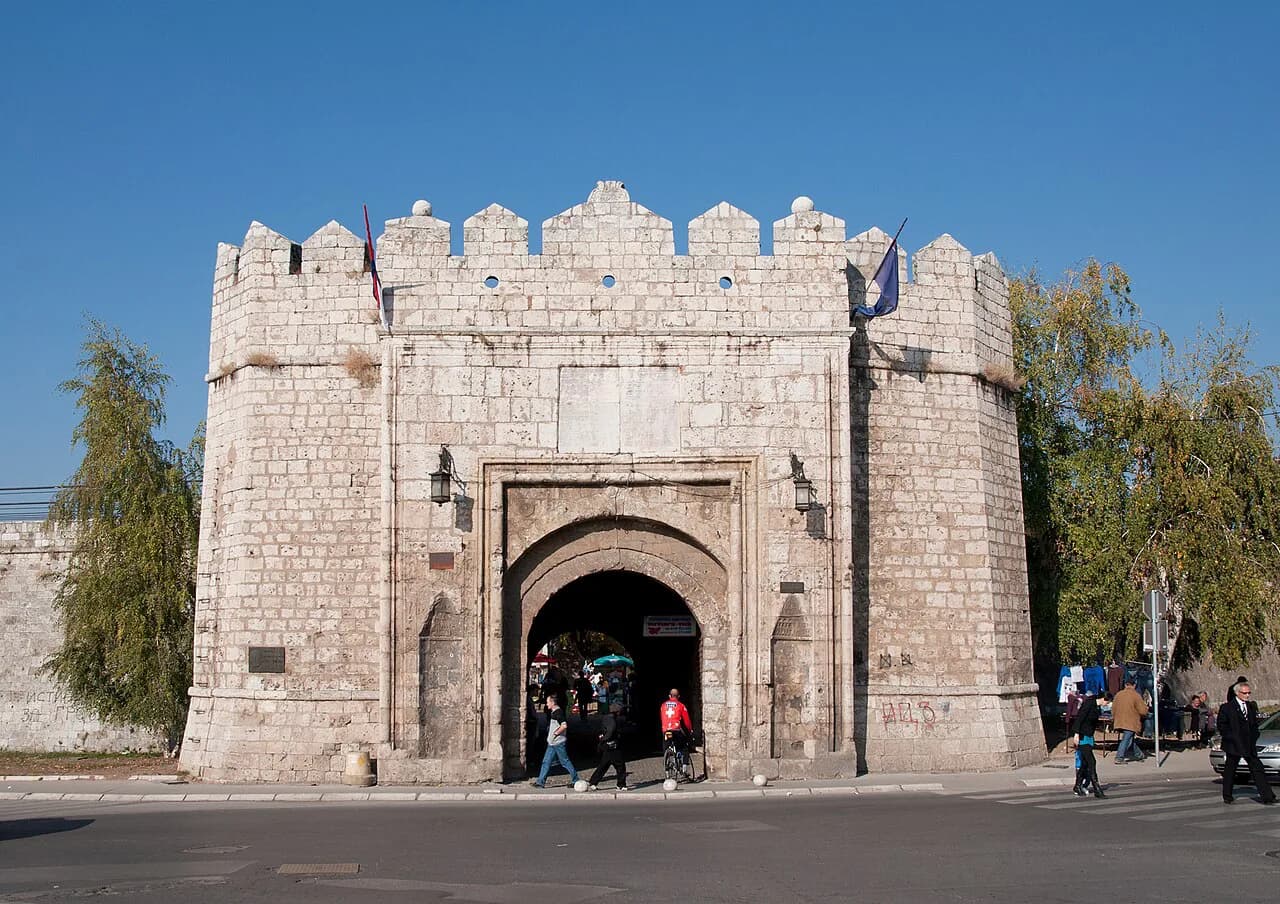
Outside the two big cities, English is workable in the centers of Niš, Kragujevac and Subotica but gets thinner fast. In towns below roughly 50,000 people, and in Vojvodina villages where Hungarian may be the second language rather than English, assume you will need Serbian for anything beyond ordering a coffee.
Where English works: cities, tourism, cafes and hotels
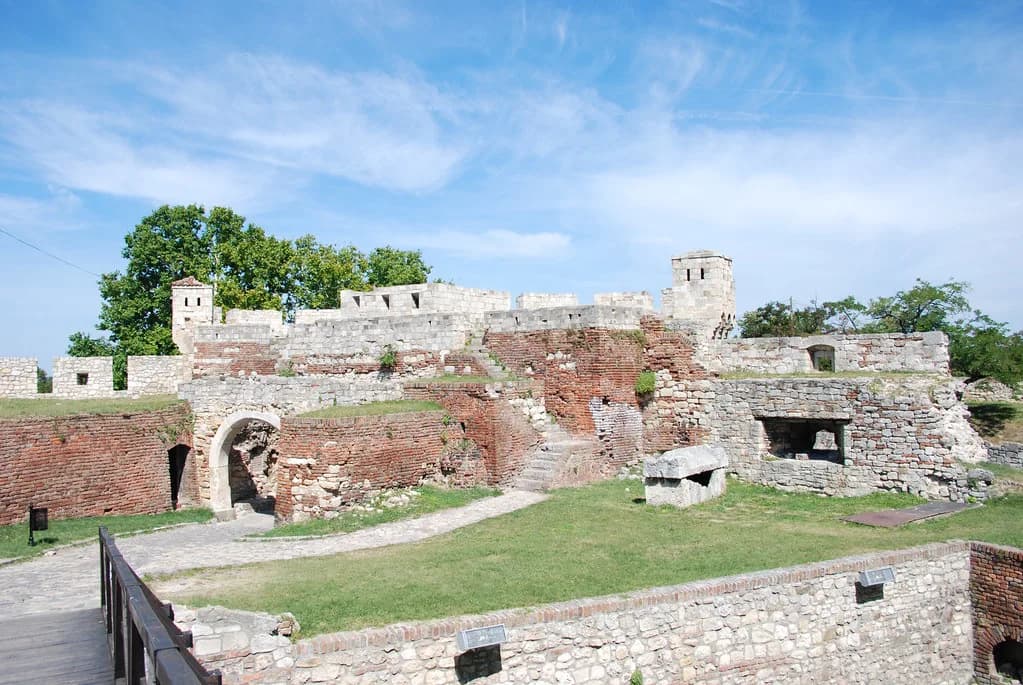
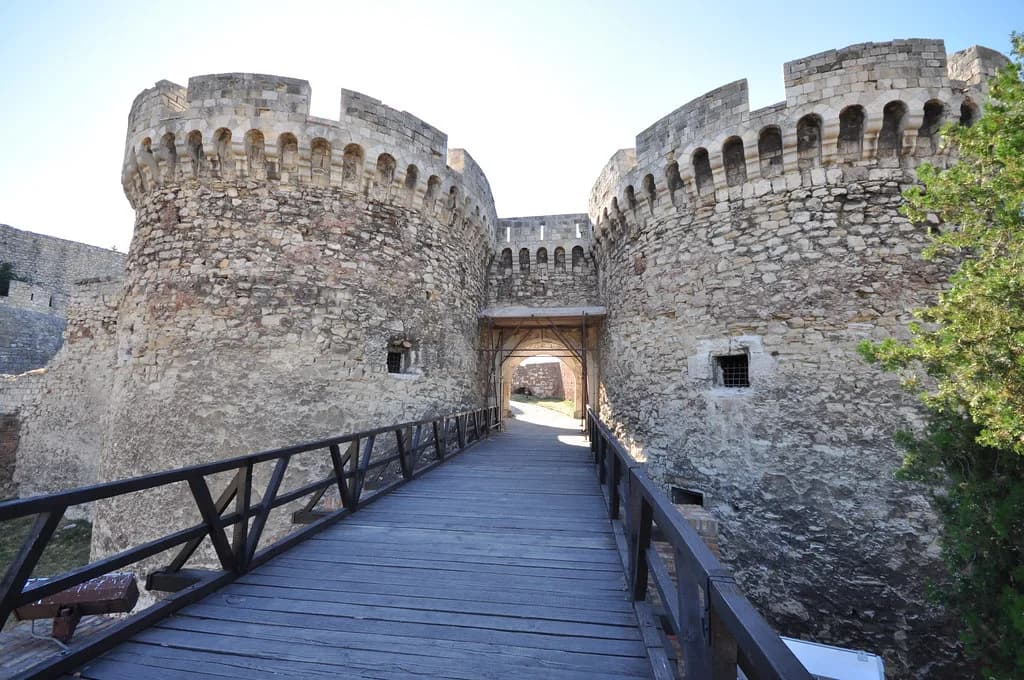
City tourism in Serbia is built for English speakers. Belgrade's main sights, from Kalemegdan Fortress to the Temple of Saint Sava, are signposted and described in English, and organized walking tours run in English as standard. Restaurants in the center print English menus, and taxi apps with English interfaces let you book rides without speaking to a dispatcher.
Hotels, hostels and guesthouses in tourist areas handle check-in, directions and tour bookings in English, and larger museums label exhibits bilingually. Private clinics in the cities are the usual English-language route for anyone who needs care, since administration in state facilities is in Serbian. If you want a guided day trip into the countryside, a licensed English-speaking guide is money well spent rather than a luxury.
Practical workarounds close most remaining gaps. Write numbers on your phone, show a map pin rather than pronouncing a street name, use a translation app for menu items and keep questions short. Younger staff will often rescue a conversation in English the moment they hear an accent, so start in English and let the other person decide.
Where English thins out: smaller towns, older residents and the counter
The moment you move from buying to arranging, the language switches. Administrative procedures are conducted in Serbian and Cyrillic, and while the law gives a party who does not understand Serbian the right to a translation on request, municipal counters and the foreigners' department in practice expect you to arrive with someone who can speak for you. Every form, decision and notice is issued in Serbian.
Notaries, who handle every property sale and many powers of attorney, draft documents in Serbian Cyrillic by law. Where a party does not understand the language, a court-certified interpreter attends the signing and the document carries a clause confirming the contents were translated. Foreign documents such as birth certificates or diplomas generally need a certified Serbian translation before they are accepted.
Below the state, the same pattern holds. Utilities, landlords, builders, electricians and movers operate overwhelmingly in Serbian, including firms that advertise in English. State healthcare administration is in Serbian even where younger doctors speak English. None of this touches a two-week holiday, but it is worth knowing if you are considering a longer stay or a property purchase.
For travelers, the counter that matters most is transport. Staff at larger bus and rail stations in Belgrade and Novi Sad usually handle basic English queries, but small-town ticket windows and rural bus stops may not. Have your destination written down in Serbian, arrive early enough to sort out confusion, and use an app with English route planning where one exists.
Belgrade and Novi Sad compared with the rest of Serbia
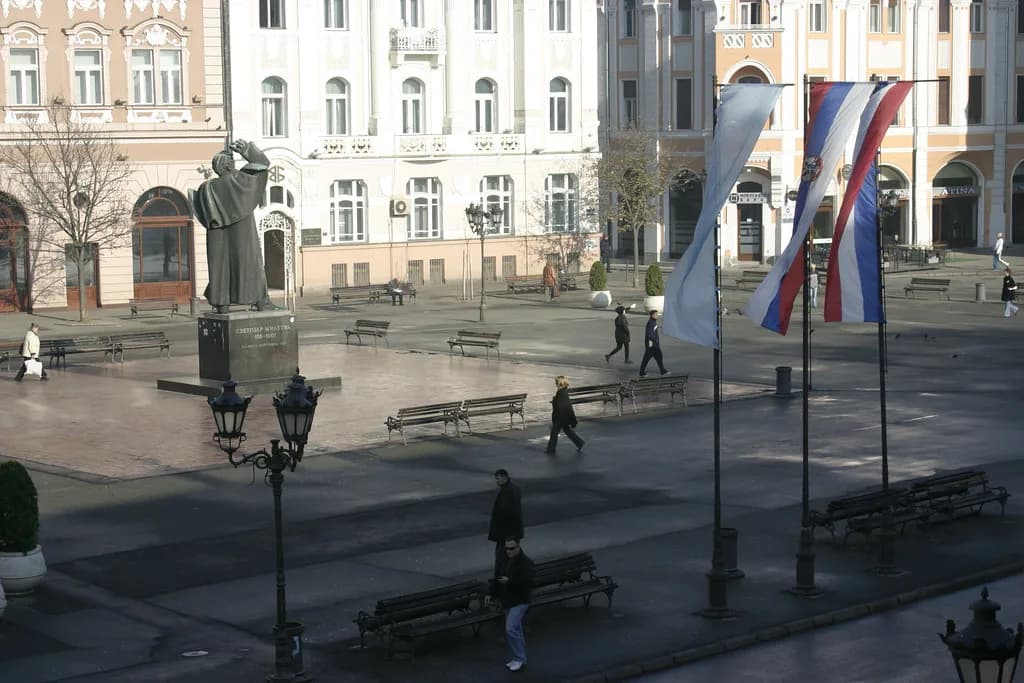
Belgrade is the easiest place in Serbia for an English speaker. It has the country's highest urban proficiency score, the largest expat and international-business community, most of the international schools and private clinics, and a service sector accustomed to foreigners in Dorćol, Vračar, Savamala and New Belgrade. You can spend a long weekend there speaking almost no Serbian.
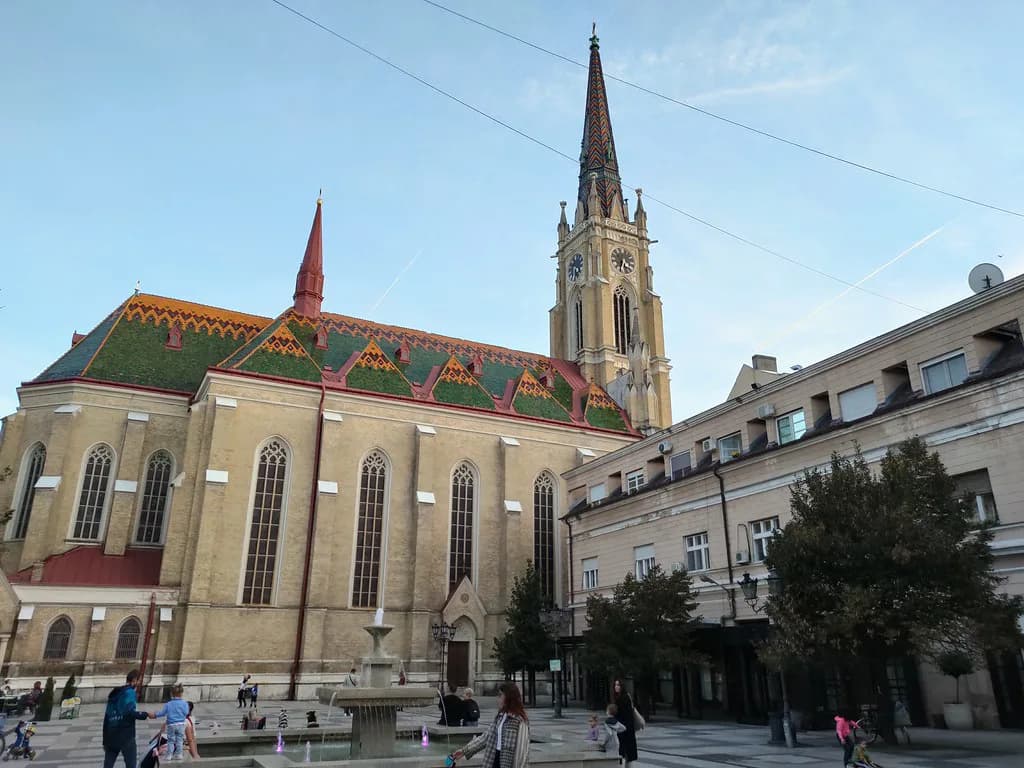
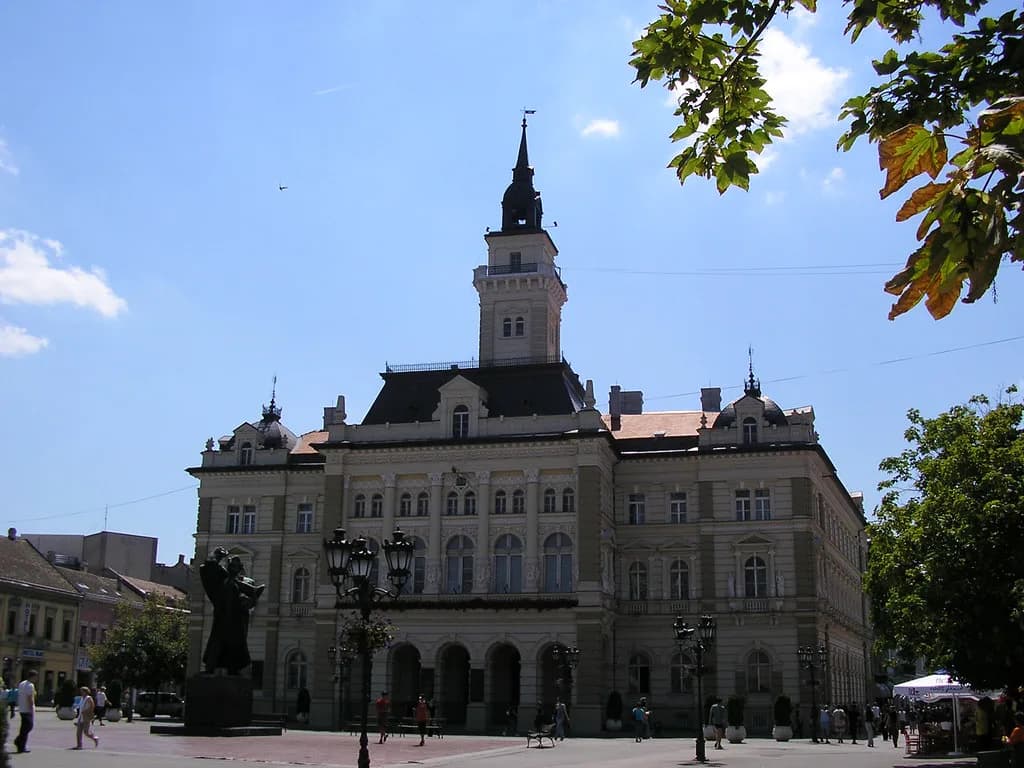
Novi Sad sits close behind. It is a university city of roughly 300,000 with a young population, a growing tech sector and a festival culture, so English is unremarkable in the center. In the surrounding Vojvodina villages, Hungarian may be the more useful second language, and English coverage drops accordingly.
Niš, Kragujevac and Subotica are workable in their centers but a step behind the two leaders. Southern and eastern Serbia scores lower on the index than Belgrade, and small towns and villages require Serbian for anything practical. If your itinerary leans rural, consider basing in a city and taking guided day trips rather than moving between small towns and relying on chance encounters with English speakers.
That geography should shape your trip decisions. A city-based week with day trips gives you English-friendly logistics and access to the countryside in between. A rural road trip gives you the best landscapes and the least linguistic backup, and renting a car in Serbia reduces reliance on small-town transport staff but not on Serbian signage and parking meters.
Weather is a separate reason to think about timing: Belgrade and the lowlands are hot in July and August and mild in spring and autumn, so May, June, September and October suit walking itineraries better. Serbia in October brings cooler days and fewer crowds in the cities, which makes English-only wandering more relaxed.
A few Serbian words that change how you are treated
Serbs are patient and visibly pleased when a foreigner tries the language, and a handful of words go a long way. Learn dobar dan (good day), hvala (thank you), molim (please or you're welcome), izvinite (excuse me), and the numbers you will hear at markets and bakeries. Practice the Cyrillic letters for hvala and molim so you can read them on signs.
Serbian is written phonetically: one letter, one sound, in both Cyrillic and Latin, so you can read a menu or street sign within days. Grammar is the hard part, with seven cases that change word endings, but survival phrases for greetings, prices, directions and the market are a matter of weeks rather than years. That small effort often turns a functional exchange into a friendly one.
Language and money: dinars, cards and cash
Serbia uses the dinar, and the euro is not legal tender even though a few bars may occasionally accept it informally. Exchange offices are common in cities, and ATMs are widely available, but Serbia remains a cash-friendly country: some bars, cafes and smaller shops do not take cards, so carry dinars for small purchases. The language question intersects here, because payment problems are usually sorted out verbally.
How far your budget stretches depends on where you eat and stay, and our guide to money in Serbia lays out the cash-versus-card habits worth knowing before you arrive. You can also compare overall costs with is Serbia cheap before deciding between a city hotel and a longer apartment stay.
The best time to visit Serbia often decides your tolerance for language friction too. In peak season, staff in tourist areas are used to foreign visitors and English is smoother; in quieter months you deal with fewer people but more chance that the person in front of you has only Serbian. Weigh that against weather and cost, because conditions and staffing vary considerably from month to month.
Practical limits for day trips and rural areas
Day trips are where the English gap tends to bite. In Belgrade, organized excursions to sights outside the city come with English-speaking guides and solve the problem in advance. Independently, rural bus schedules, village guesthouses and local restaurants may have no English at all, so a translation app, a screenshot of your destination in Serbian and a printed confirmation are worth carrying.
For travelers weighing whether the country fits their style, our full Serbia verdict covers the trade-offs between city culture and rural scenery. If your priority is monasteries, mountains and small towns, expect to lean on gestures, apps and the kindness of younger strangers, and treat English as a convenience rather than a guarantee.
A few habits keep things moving: speak slowly rather than loudly, avoid idioms, and offer the other person a written version of what you need. Ask hotel staff to write addresses in Serbian for taxi drivers. In restaurants, point at the menu when pronunciation fails; nobody minds.
Plan Around the Language, Not Against It
English gets you through a Serbian holiday comfortably, especially in Belgrade, Novi Sad and the tourist sights in between. It stops at the counter, in small towns and among older residents, so plan your base and day trips with that split in mind rather than assuming the whole country works like the capital.
Learn a dozen Serbian phrases, keep a translation app and cash in dinars handy, and book guided trips when you head into the countryside. That combination lets you see the parts of Serbia worth the journey without treating the language as a barrier to be defeated.
Frequently Asked Questions
Do they speak English in Serbia?
Widely, especially in Belgrade and Novi Sad and among people under about 40, who study English from the first grade of primary school. Serbia scores in the high-proficiency band of the EF English Proficiency Index. English is much less common in small towns, among older residents, and at government offices, notaries and utility companies.
Can I visit Serbia without speaking Serbian?
Yes. Hotels, restaurants, museums, tours and city transport are manageable in English, and a translation app covers the rest. You will want some Serbian phrases for rural areas, small bus stations and any situation involving forms or official business.
Is English widely spoken in Belgrade?
Belgrade is the easiest city in Serbia for English speakers. Its proficiency score is the highest in the country, menus in the center are usually bilingual, and hotel front desks hire for English. Younger staff in cafes, bars and clinics switch to English readily.
Do people speak English outside Belgrade and Novi Sad?
In the centers of Niš, Kragujevac and Subotica, English is workable. In towns below roughly 50,000 people and in villages, assume you will need Serbian for anything beyond ordering. In parts of Vojvodina, Hungarian may be the more common second language.
Do young people in Serbia speak English?
Generally yes. English is a compulsory first foreign language from the first grade, films and series are subtitled rather than dubbed, and the IT and outsourcing sector works in English. A 25-year-old barista and a 65-year-old building manager can be in very different linguistic worlds.
Can I use English in Serbian restaurants and hotels?
In cities and tourist areas, yes. Central Belgrade restaurants often print bilingual menus, and hotels generally require English at the front desk. Smaller local eateries and village guesthouses may have none, so pointing at the menu and writing numbers works fine.
Will English work at Serbian train and bus stations?
At larger stations in Belgrade and Novi Sad, staff usually handle basic English questions. Small-town ticket windows and rural bus stops may have none. Write your destination in Serbian, arrive early, and use English-language route apps where available.
Should I learn some Serbian before visiting?
A dozen words make a noticeable difference: dobar dan, hvala, molim, izvinite and basic numbers. Serbian is written phonetically, so you can read signs quickly, and locals respond warmly to any attempt. Grammar is hard, but survival phrases take weeks, not years.
Sources
Trip-decision notes
Optional updates when we publish or revise a destination verdict.
You might also like
Continue reading
More guides you'll find useful