Is Serbia Cheap? Honest 2026 Costs for Travelers
Serbia is one of the Balkans' better-value destinations, but prices climb in central Belgrade. Here is what meals, transport and daily budgets really look like.
On this page
Yes, Serbia is cheap for most travelers, with one important caveat: the further you are from central Belgrade in high season, the further your money stretches. Restaurant meals, coffee, beer and city transport sit well below Western European levels, and a cluster of the country's best-known sights cost nothing to enter. The capital is the exception, not the rule.
The practical question is not whether Serbia is cheap in the abstract but which version of Serbia you are paying for. A sightseeing trip built around Belgrade's free fortresses and squares costs far less per day than a comfort-level stay with taxis and mid-range restaurants in the same city. Before you fix a budget, it helps to settle whether Serbia is worth visiting for the kind of trip you have in mind, since the answer shapes how many days you book and where you base yourself.
The verdict: who Serbia suits on a budget
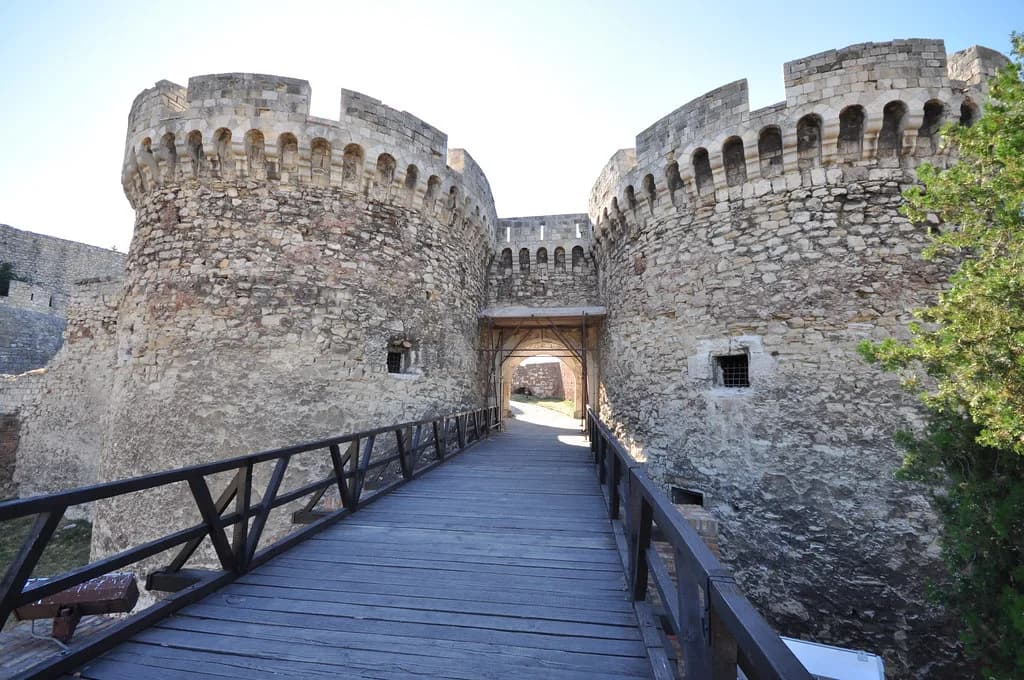
Budget sightseers do best here. Serbia rewards travelers who walk, use public transport, eat where locals eat and treat the big free sights as the core of the trip. Belgrade's Kalemegdan park and fortress, the Knez Mihailova pedestrian street and the Sava Church all cost nothing to enter, so a full day of sightseeing can cost little beyond food and a tram ride.
Mid-range foodies also get good value, because the jump from a cheap meal to a proper three-course dinner is smaller than in Western Europe. Where Serbia stops feeling cheap is at the comfort end: central Belgrade taxi rides, boutique stays and peak-season dates add up quickly. If your trip depends on taxis and polished hotels in the capital, budget closer to a Central European city than to a bargain break.
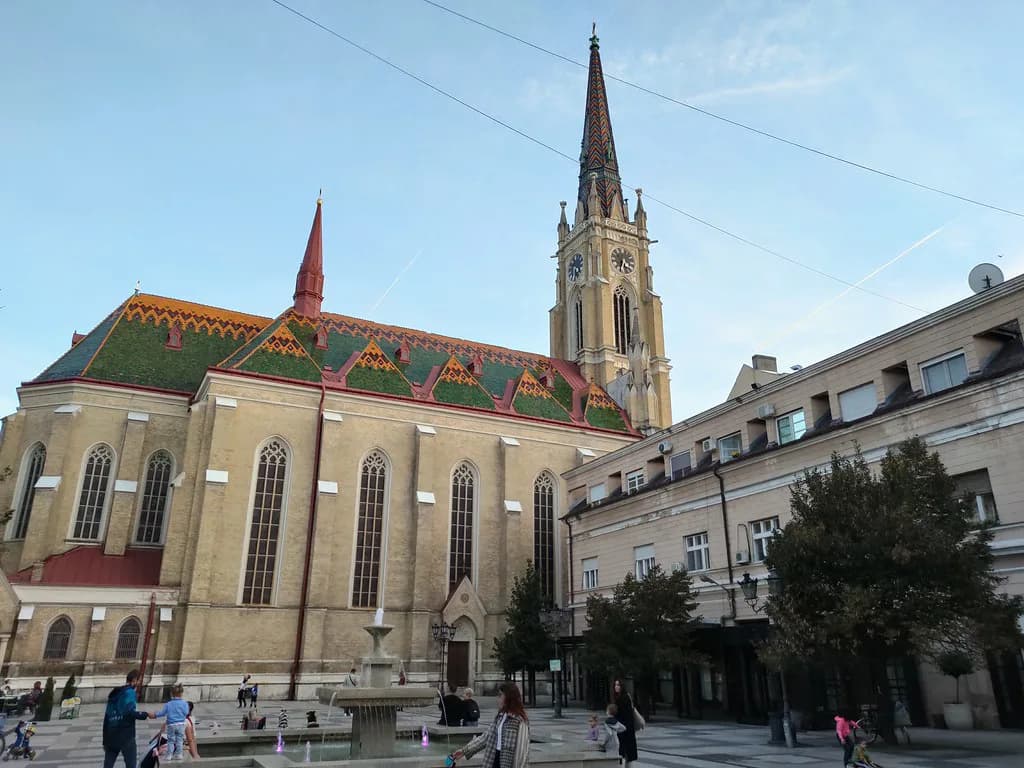
Families and longer stays tend to find the arithmetic works best outside the capital. Larger apartments and everyday costs are lower in Novi Sad than in Belgrade, which matters if you are staying a week or more rather than passing through.
Belgrade versus the rest of Serbia
Belgrade is where Serbia's reputation for cheapness gets tested. The capital's centre carries the highest rents, the priciest taxis and the most tourist-facing restaurant rows, while Novi Sad and smaller towns keep a calmer price level for food, drink and everyday transport. A 2025 comparison of the two cities found inexpensive restaurant meals noticeably cheaper in Novi Sad, with central Belgrade one-bedroom rents far above their Novi Sad equivalents.
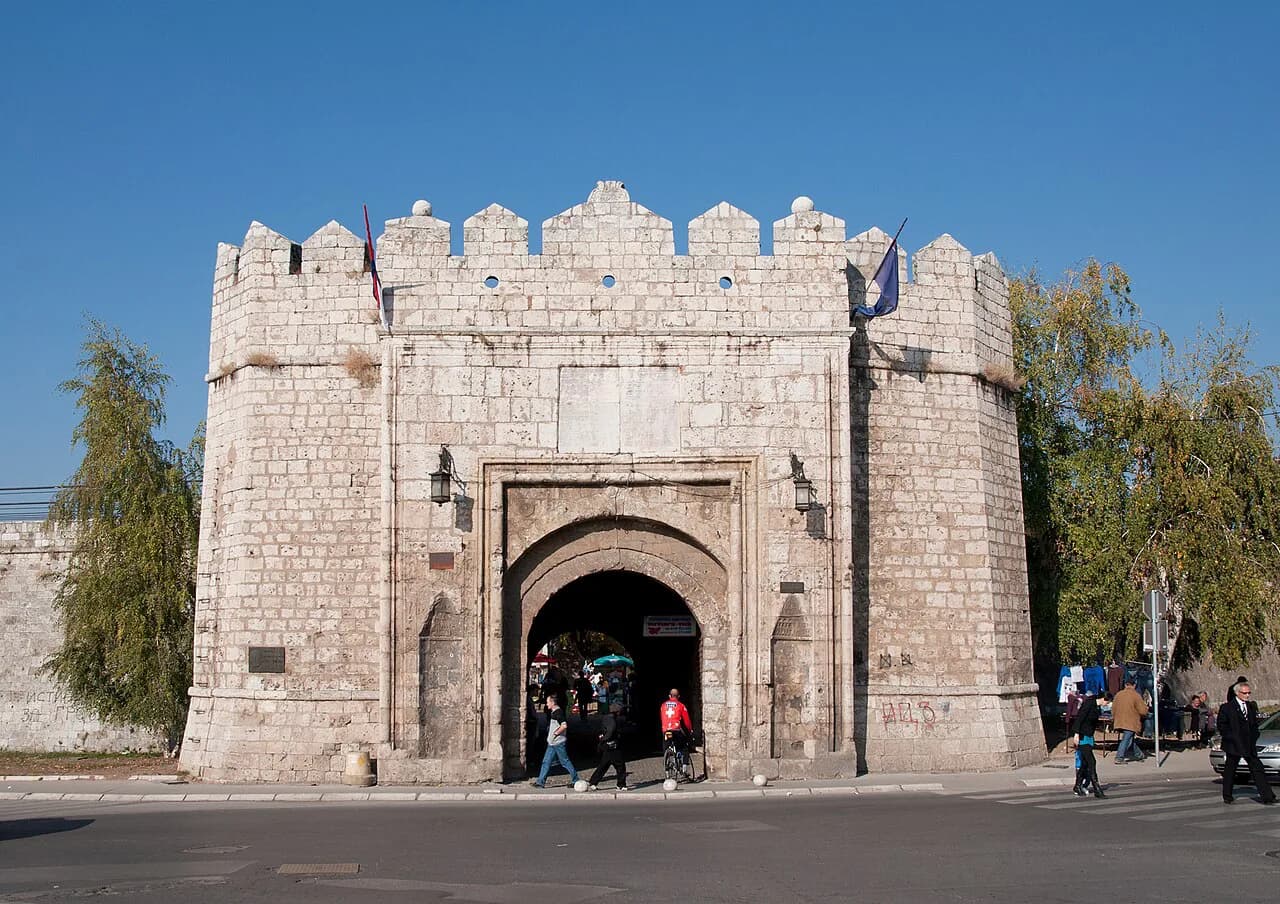
That gap matters for visitors as much as residents, because restaurant and taxi pricing follows the same pattern. Eating and moving around in Novi Sad, Niš or a small Danube town costs less than doing the same in Belgrade's core. Use the capital for the sights and the rest of the country for the value.
Typical daily budgets in words
A budget day in Serbia means a dorm or simple private room, supermarket breakfast, one cheap cooked meal, coffee and beer at local prices, and public transport or walking. This is the version of the trip where Serbia feels markedly cheaper than almost anywhere in Western Europe, especially outside Belgrade.
A mid-range day adds a restaurant lunch and dinner, a museum or two with paid entry, and occasional taxis or intercity buses. Comfort-level travel means central Belgrade accommodation, more taxi use, and paid day trips, and at that point the savings narrow to a modest discount rather than a dramatic one.
Rather than fix a single number, build the budget from the components you know you will use. If you plan to move between cities, include intercity bus or rail fares, and read up on getting around Serbia before you commit to a car, because parking and city traffic can eat the savings a rental promises.
Food and drink: what meals and drinks cost
Food is where Serbia's value is most obvious. The 2025 comparison puts an inexpensive restaurant meal at roughly eight to eleven US dollars per person in Novi Sad and Belgrade respectively, a three-course mid-range dinner at about forty-four dollars in both cities, a half-liter domestic beer at around two to three dollars and a cappuccino near two dollars. Treat these as indicative figures that shift with inflation and exchange rates.
The pattern to take from those numbers is that the mid-range tier is where Serbia stays cheap, because a proper dinner costs a fraction of a Western European equivalent. Budget eating is cheaper still: bakery burek, grilled sandwiches and supermarket picnic lunches keep daily food spending low. Central pedestrian zones such as Knez Mihailova and the Skadarlija quarter charge the most, while streets away from the main drags drop quickly.
Drinking is inexpensive too, with domestic beer and local wine among the best-value orders. Coffee culture is taken seriously and a long sit in a café costs little, which makes Serbia comfortable for slow travelers who linger rather than rush between sights.
Getting around: transport and fares
Belgrade's public transport is a big potential money-saver. The 2025 comparison reports that the city's network is now free to use, which removes a daily cost that most European capitals impose; the same source lists a monthly pass at around thirty-five dollars in Belgrade and thirty in Novi Sad as a reference point for other cities. Verify the current arrangement locally, since city transport policy can change.
Taxis are the cost to watch. The same comparison puts Belgrade taxi fares well above Novi Sad's per kilometer, so flagging one down in the capital is a convenience you pay for. Ride-hailing apps and trams cover most visitor needs in Belgrade, and buses link the main cities at modest fares.
If you want to reach monasteries, mountains or wine country, renting a car in Serbia opens up places buses serve poorly, but weigh the cost of fuel, parking and tolls against simply booking a bus between major towns.
Museums, fortresses and sights that cost nothing
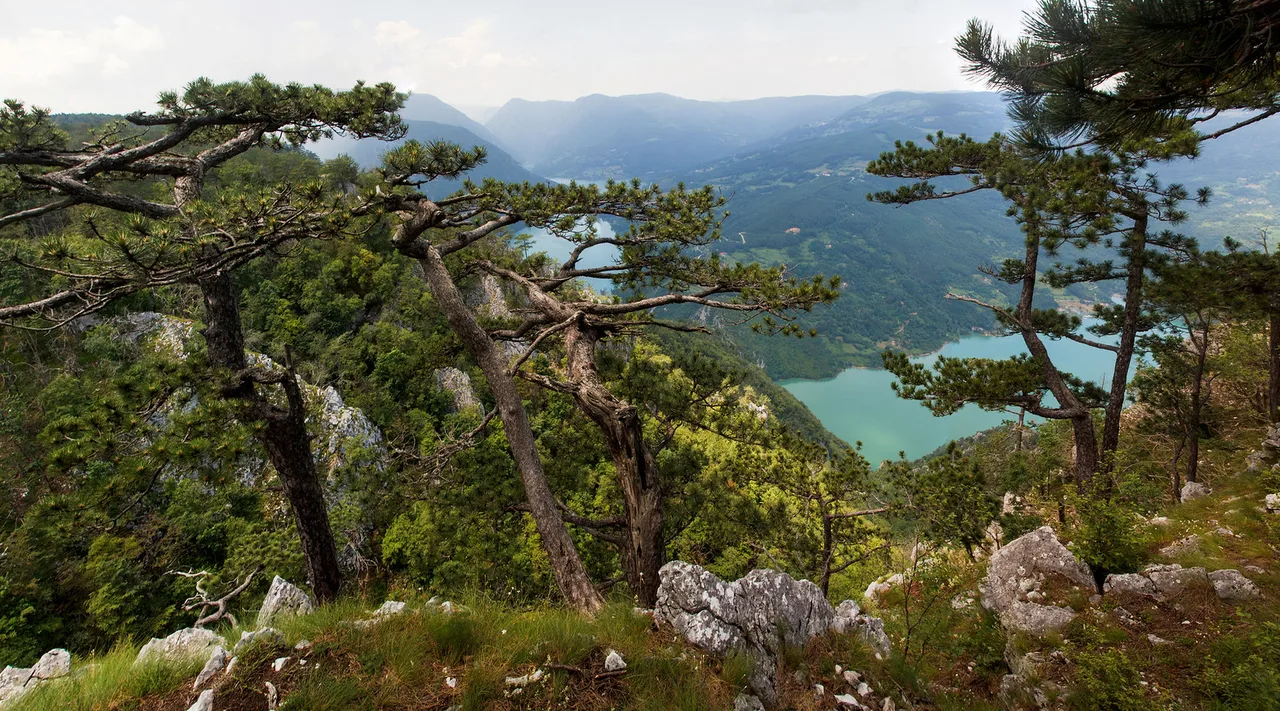
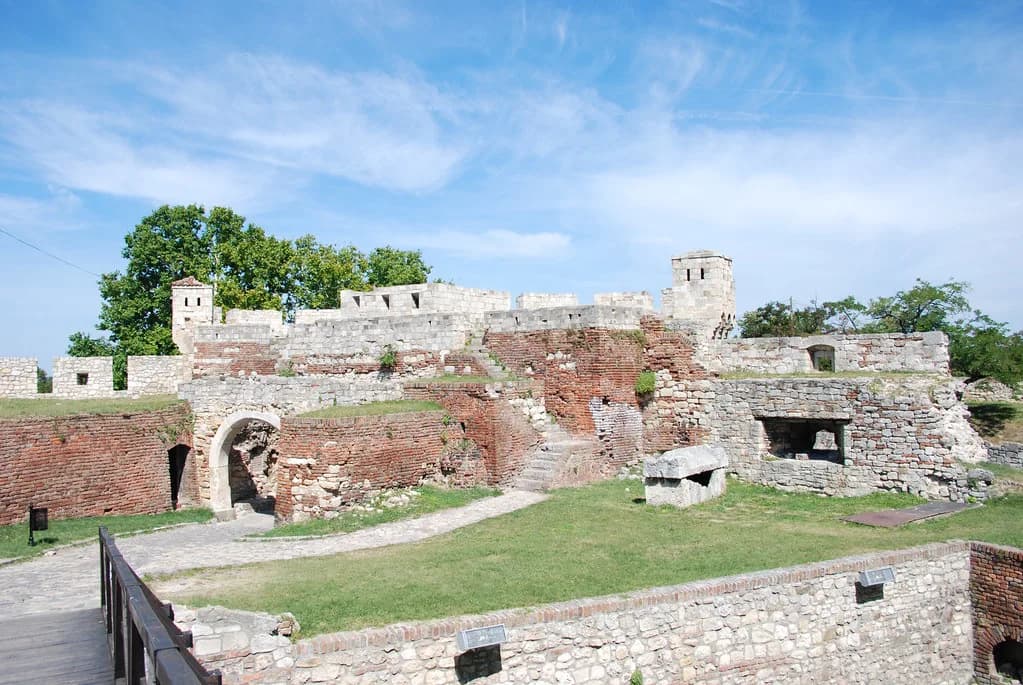
Serbia's best free sightseeing is concentrated in Belgrade, which keeps a city break affordable even when accommodation is not. Kalemegdan Fortress sits above the Sava and Danube confluence and combines walls, lawns, viewpoints and riverside walks without an entry fee, making it the single best value half-day in the country.
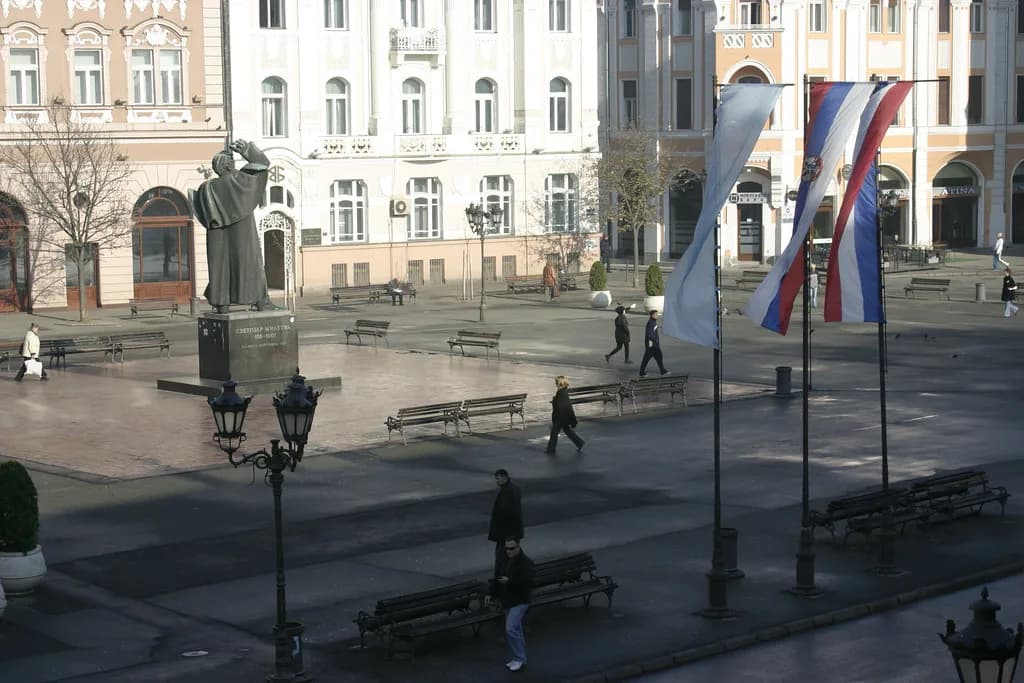
Nearby, the Knez Mihailova pedestrian street and Republic Square are free to wander, and the Sava Church, one of the largest Orthodox churches in the region, charges nothing to enter. Paid museums such as the Nikola Tesla Museum are modest but not free, so budget for one or two rather than all of them.
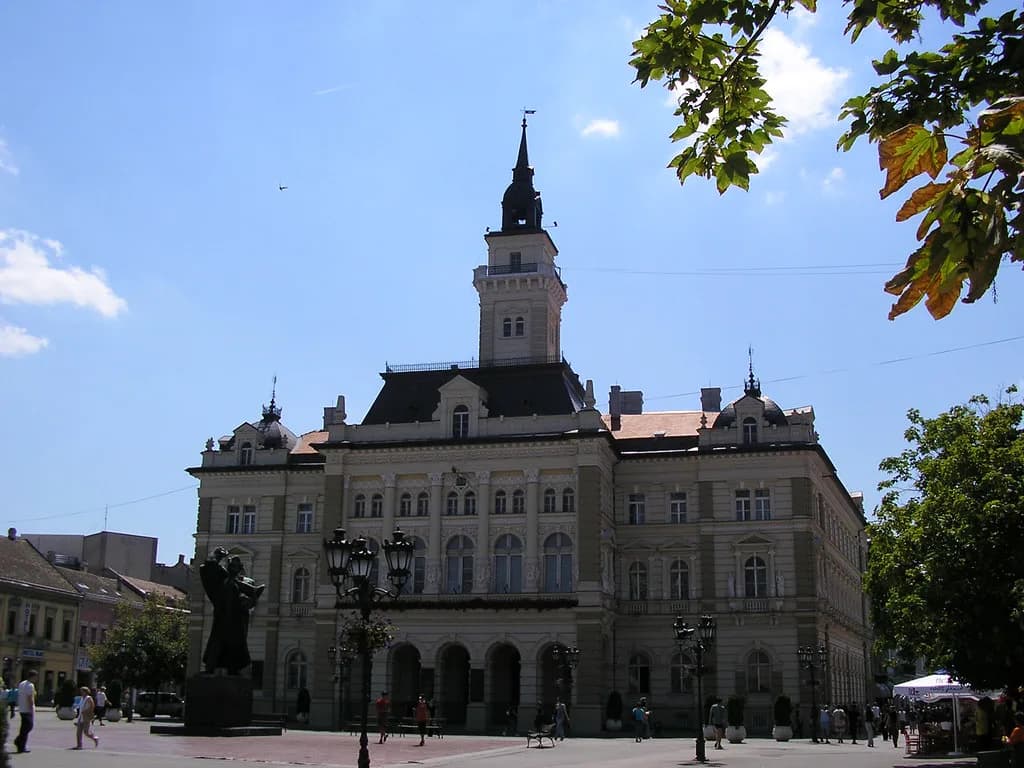
Outside the capital, Novi Sad's Petrovaradin Fortress and the city's central squares offer the same free-walking appeal. Pairing free sights with paid ones is the simplest way to keep a Serbia itinerary cheap without skipping the highlights.
Money practicalities: the dinar and exchange offices
Serbia uses the dinar, and it is a closed currency, so you are unlikely to arrive with any in hand. The standard routine is to change a small amount at the airport or withdraw from an ATM on arrival, then use a city exchange office, known as a menjačnica, for better rates on the rest; our guide to money in Serbia walks through this in detail.
Cards are widely accepted in Belgrade hotels, restaurants and shops, but smaller towns, markets and taxis still run on cash. Carry dinars for everyday purchases and keep some coins for trams and buses where fares apply. Exchange rates move, so compare before you change a large sum.
When Serbia is not cheap
Peak summer is the pressure point. Belgrade fills with festival crowds and diaspora visitors, and prices in the centre rise with demand. Late spring and early autumn bring mild weather and calmer pricing, making the best time to visit Serbia a shoulder-season question as much as a weather one for budget travelers.
City-centre pricing is the other trap. Restaurants on the main pedestrian streets and in the Skadarlija quarter charge tourist rates, and taxis from the airport or across the centre add up. Walking two or three blocks back from the main drags usually cuts the bill, and public transport or a booked transfer beats a curb-side taxi.
Winter and early spring tighten the picture differently: some rural attractions and mountain facilities operate reduced hours, and days are short, so a cheap trip can mean less sightseeing per day. Build slack into the plan rather than scheduling tightly.
Serbia versus its neighbours on cost
Serbia sits in the middle of the Balkan pack on cost, cheaper than Croatia and Slovenia and comparable to or slightly pricier than Bulgaria and North Macedonia for food and drink. Travelers comparing the region often find Sofia slightly cheaper for accommodation and meals, while Belgrade offers more big-city energy and free sightseeing. If you're widening the search beyond the Balkans, it's worth checking whether Hungary is worth visiting, since its cities offer a similar mix of free sights and big-city energy at a different price level.
The verdict by traveler type is straightforward. Budget backpackers and slow travelers should pick Serbia without hesitation and lean on Novi Sad and smaller towns. Mid-range foodies will find excellent value anywhere. Comfort travelers who want four-star central Belgrade and taxis everywhere should budget like a Central European city break and expect only modest savings.
How many days you need to make the value work
Three full days in Belgrade is enough to cover the free fortress, the central streets and one or two paid museums, and it keeps transport and food costs efficient. Adding Novi Sad for a couple of nights gives a second, cheaper base and a different pace without a long transfer.
A week lets you add a rural or mountain leg and makes the daily budget work harder, because longer stays dilute arrival and transport costs. If you are weighing dates, Serbia in October brings lower prices and comfortable walking weather, while Serbia in April offers similar value with fresher scenery.
Short trips concentrated in the capital are where Serbia feels least cheap. The longer you stay and the wider you range, the more the country's low prices show.
Who should choose somewhere else
Travelers who want a Mediterranean coastline, guaranteed late-summer beach weather or polished resort infrastructure will find Serbia the wrong fit; its appeal is cities, rivers, mountains and history rather than sea. Likewise, anyone who plans to rely on taxis and central Belgrade hotels should not expect dramatic savings.
If your priority is the cheapest possible Balkans trip with minimal planning, a shorter hop to North Macedonia or Bulgaria may edge ahead on price. Serbia wins on variety, big-city energy and free sights, which is why it suits curious city travelers more than beach seekers.
Plan Your Trip Around the Value
Serbia is cheap if you travel the way the country rewards: walk the cities, use public transport, eat away from the main drags and build days around free sights like Kalemegdan Fortress. Keep cash in dinars for everyday spending and budget more for central Belgrade and peak summer.
Fix your dates and base cities first, then price the trip around what you will actually do. Sorting out how to get around Serbia before you book keeps the savings intact rather than letting airport taxis and car hire erode them.
Explore more Serbia trip-decision guides
Frequently Asked Questions
Is Serbia cheap for tourists?
Yes, for most travelers. Food, drink and city transport are modest by Western European standards, and several of the best-known sights in Belgrade are free to enter. Costs rise in central Belgrade and during peak summer, so a trip built around the capital's hotels and taxis feels noticeably less cheap than one spread across Novi Sad and smaller towns.
How much does a meal cost in Belgrade?
A 2025 comparison of Belgrade and Novi Sad puts an inexpensive restaurant meal at roughly eight to eleven US dollars per person, with a three-course mid-range dinner around forty-four dollars in both cities. Those are indicative figures that move with inflation, so treat them as a rough guide rather than a fixed price.
Is Belgrade cheaper than Novi Sad?
No. The same comparison shows inexpensive restaurant meals, taxis and central rents higher in Belgrade than in Novi Sad. Belgrade's advantage is that its public transport network is free to use, which offsets some of the higher costs for visitors who skip taxis.
How much is a beer in Serbia?
A half-liter domestic beer was listed at around two to three US dollars in the 2025 comparison, with Belgrade slightly above Novi Sad. Local bars away from the main pedestrian streets charge less than tourist-facing venues, and drinks generally remain one of the best-value parts of a Serbian trip.
Do I need cash in Serbia?
Yes, for everyday spending. Serbia uses the dinar, which is a closed currency, so change a small amount on arrival and use city exchange offices for better rates. Cards work in hotels, restaurants and shops in the main cities, but smaller towns, markets and taxis still expect cash.
Is Serbia an expensive country to live in?
It is one of the more affordable countries in Europe, though costs have risen with inflation. Belgrade is the expensive part, with central rents and taxis well above Novi Sad, where larger apartments and everyday costs are lower. Cost-of-living tables for residents are not the same as holiday budgets, so price your trip by what you will actually do.
Sources
Trip-decision notes
Optional updates when we publish or revise a destination verdict.
You might also like
Continue reading
More guides you'll find useful