Serbia in July: Weather, Crowds and Whether It's Worth It
Serbia in July brings hot city days, easy river evenings and peak-season prices. See who July suits and who should pick another month for their trip.
On this page
July is a good month to visit Serbia if you want long daylight, warm evenings and a trip built around rivers, national parks and slow outdoor meals rather than dense city sightseeing. It is the weakest month for anyone planning to walk Belgrade's fortress, pedestrian street and old quarter back to back in the middle of the day.
The trade-off is simple: July gives you the Danube and Sava at their most inviting and the mountains at their greenest, but it also brings the year's most punishing midday heat in the cities and the highest demand of the summer. Decide your trip shape before you pick dates, then use the best time to visit Serbia comparison to check whether a shoulder month fits your tolerance for heat.
The verdict on Serbia in July
July suits travelers who treat Serbia as an outdoor and evening country: a morning at Kalemegdan Fortress before the sun hardens, an afternoon in the shade, a long dinner in Skadarlija after dark. It suits road-trippers heading for Tara or Đerdap, and anyone who values daylight hours over cool-weather walking.
July is the wrong month if your priority is covering Belgrade's sights on foot at a steady pace, or if you dislike heat and crowds arriving together. Belgrade's core sights are close together, but the walking between them is exposed, and the city's own tourism board builds its spring pitch around greenery and park benches rather than midsummer sightseeing.
Treat July as a month to move between bases rather than to sprint, and check is Serbia worth visiting before you lock dates. Two nights in Belgrade, a shift to Novi Sad and the Vojvodina plain, and a stretch in the mountains will feel far better than five unbroken city days in the heat.
Who will love Serbia in July
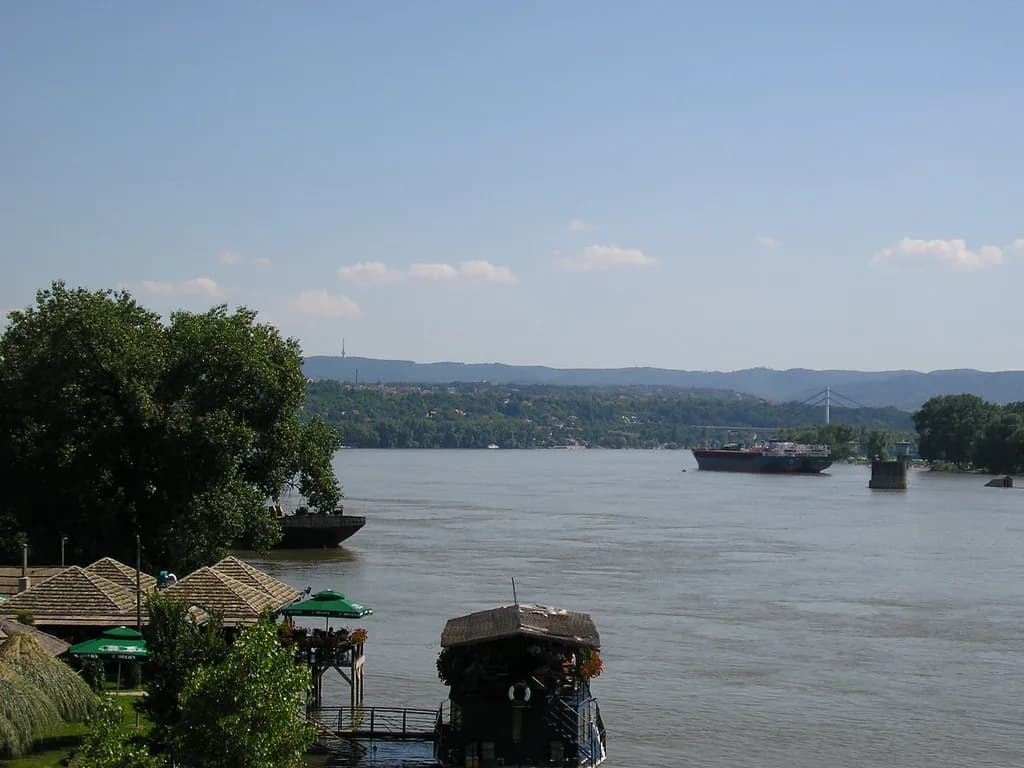
River people get the best of July. Belgrade sits at the confluence of the Sava and the Danube, and the riverside below the fortress is where the city goes in the evening, with the waterfront area around Beton Hala busy from lunch through to late.
Café culture is another July strength. Belgrade's cafés double as shade and air-conditioning, and the ones in converted townhouses off Knez Mihailova give you a reason to sit still for an hour at the hottest part of the day rather than powering through a sightseeing list.
Hikers, cyclists and national-park visitors also get a good deal, because the mountain country is greener and more workable in July than in the lowlands. If you are deciding where to base yourself, the split between city heat and highland relief is the single most useful planning choice you will make.
Who should pick another month
Skip July if you want to see Belgrade's main sights and museums without heat management. The fortress, Knez Mihailova and Skadarlija are all outdoor or semi-outdoor, and stringing them together on a hot afternoon is the fastest way to have a bad day in an otherwise generous city.
Skip it too if your budget is tight and your dates are flexible. July is peak season in a country whose own tourism board markets spring as the season of parks, avenues and first walks; shifting to late spring or early autumn usually buys you easier conditions for the same itinerary.
Travelers who want to combine Serbia with a wider Balkan loop should also weigh timing carefully, since peak summer traffic concentrates on the main corridors and border crossings. That is a scheduling problem rather than a reason to avoid the country, but it argues for booking early and driving at off-peak hours.
July weather across Serbia: a regional picture
Serbia's July weather varies far more by region than a single national figure suggests. Belgrade and the Vojvodina plain north of the Sava and Danube run hottest and most humid, with heat building through the afternoon and lingering into the evening; the mountains of the west and southwest, including Tara, sit cooler and fresher, and the Danube gorge country around Đerdap mixes heat with river breezes.
Rather than relying on a secondhand national average, use the monthly climate normals published by the Republic Hydrometeorological Service of Serbia for the specific city you are visiting, which give typical highs, lows, rainfall days and sunshine hours as long-term figures rather than forecasts. Read them as what July usually feels like, not as what your week will do.
The practical consequence is that you should pack and plan for two different climates on a single trip: city clothes for Belgrade and Novi Sad, and a layer for mountain evenings and stormy afternoons. The same July day can feel oppressive on a Belgrade pavement and pleasant on a Tara ridge.
Rain, storms and sunshine hours
Summer rain in Serbia tends to arrive as short, heavy afternoon or evening storms rather than as all-day drizzle, which changes how you should schedule. Front-load outdoor sights in the morning, keep a museum or café as your afternoon fallback, and treat a downpour as a reason to sit out an hour rather than to abandon the day.
Long daylight is July's compensation: evenings stay light late enough that you can shift your walking, fortress visits and riverside time to after the heat has broken. Sunset from the Kalemegdan promenade above the river confluence is the classic case, and it is better in July than in almost any other month simply because the day lasts longer.
What July does to Belgrade
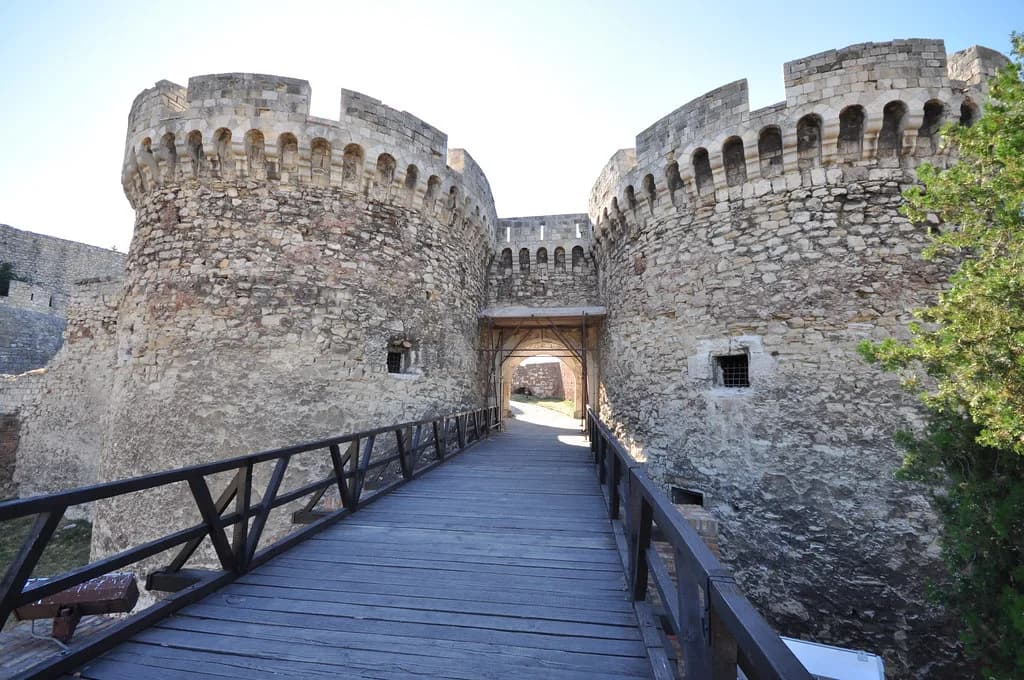
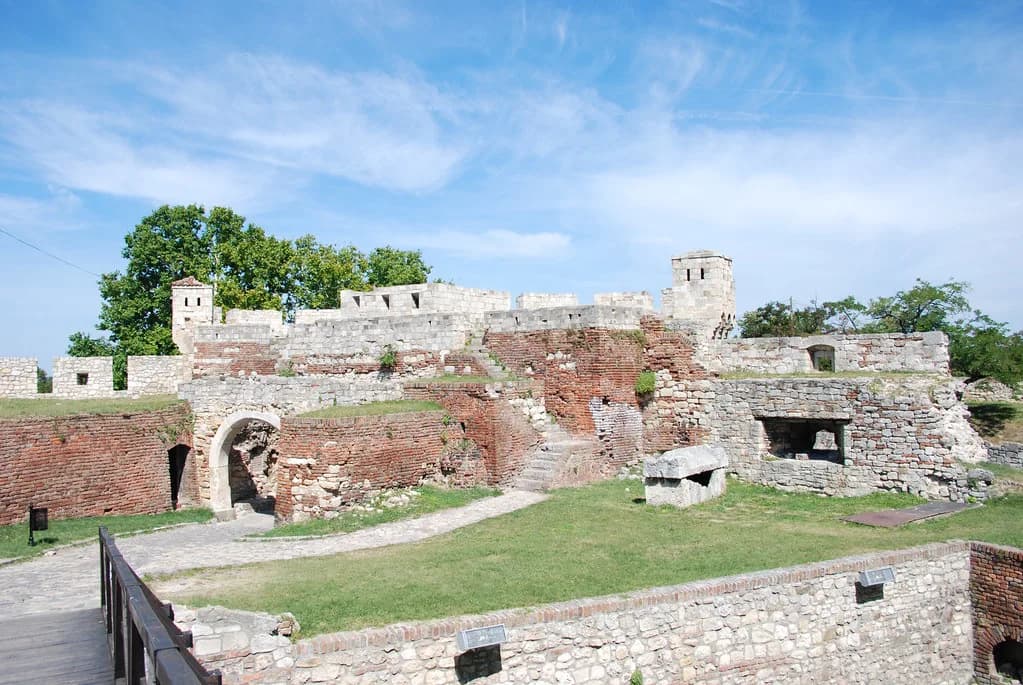
Belgrade absorbs July unevenly. Kalemegdan Fortress, the vast green complex above the Sava and Danube confluence, is genuinely pleasant early and late, with the Victor Monument and the river promenade giving you wide views and shade in patches; by early afternoon the exposed walls and walkways are hard work.
Knez Mihailova, the pedestrian spine running roughly a kilometer between Terazije and the fortress, is at its best before the shops open, when you can actually see the late nineteenth and early twentieth century facades. Come back later for the crowd and the cafés, but do the architecture early.
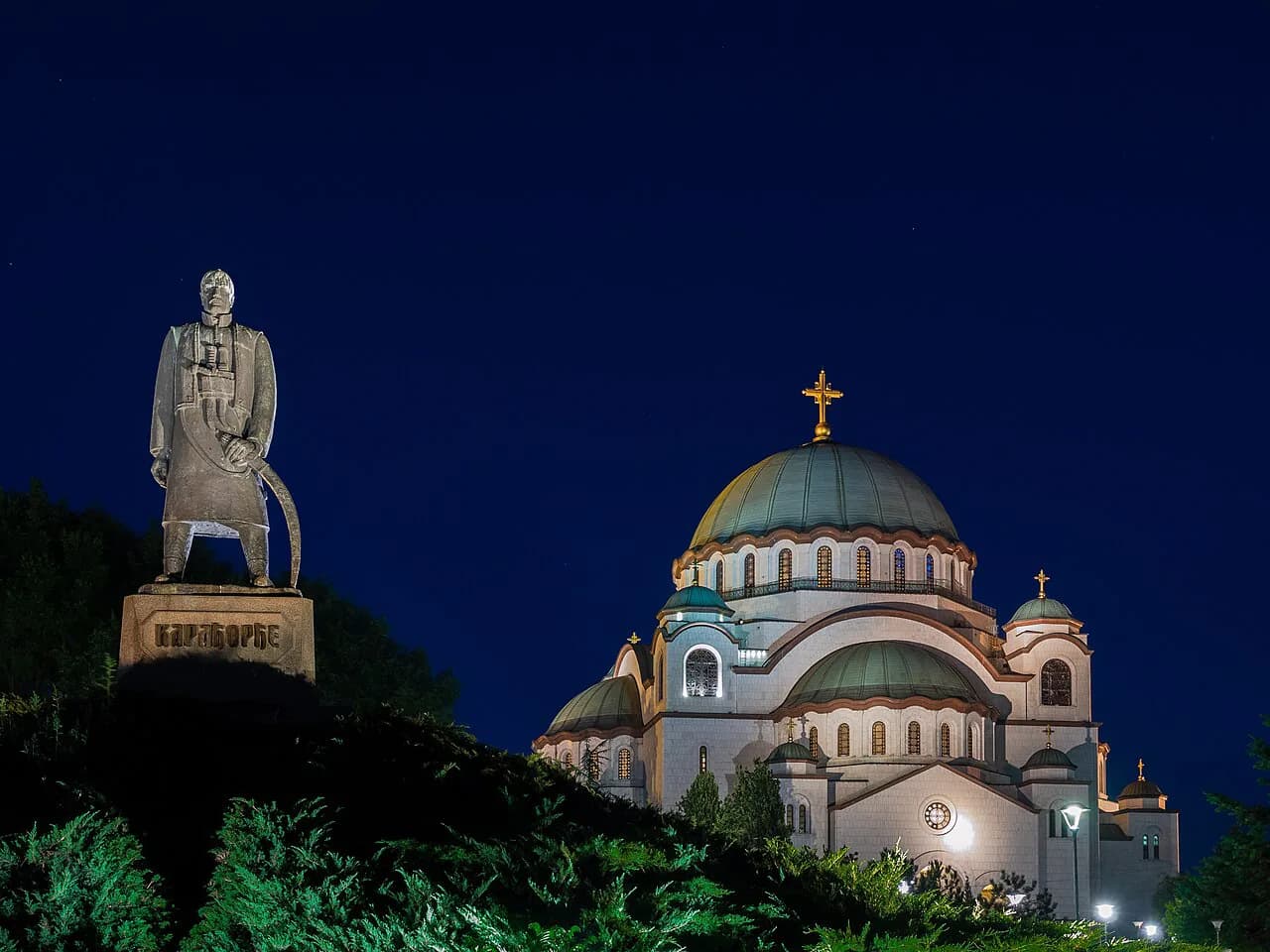
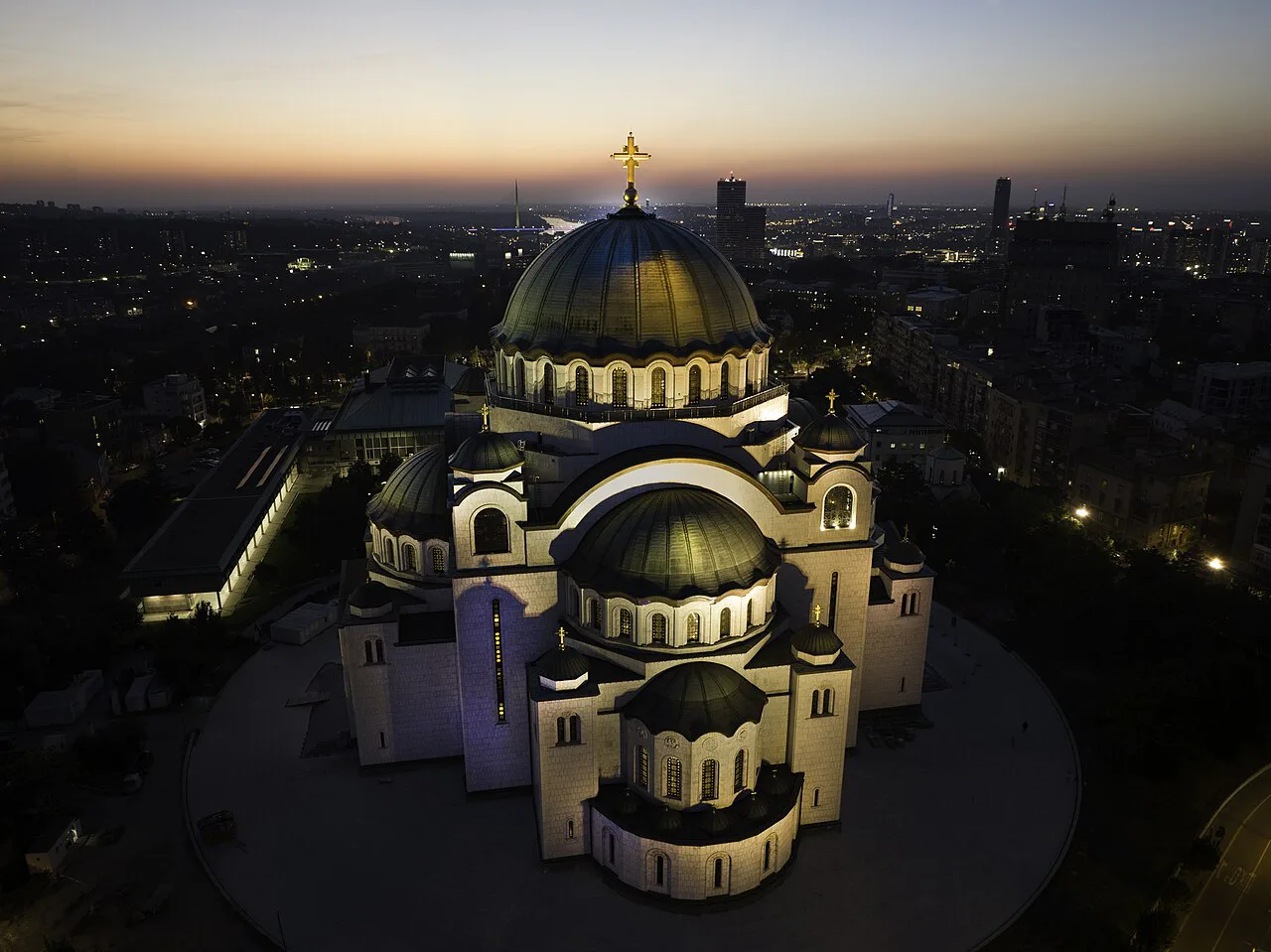
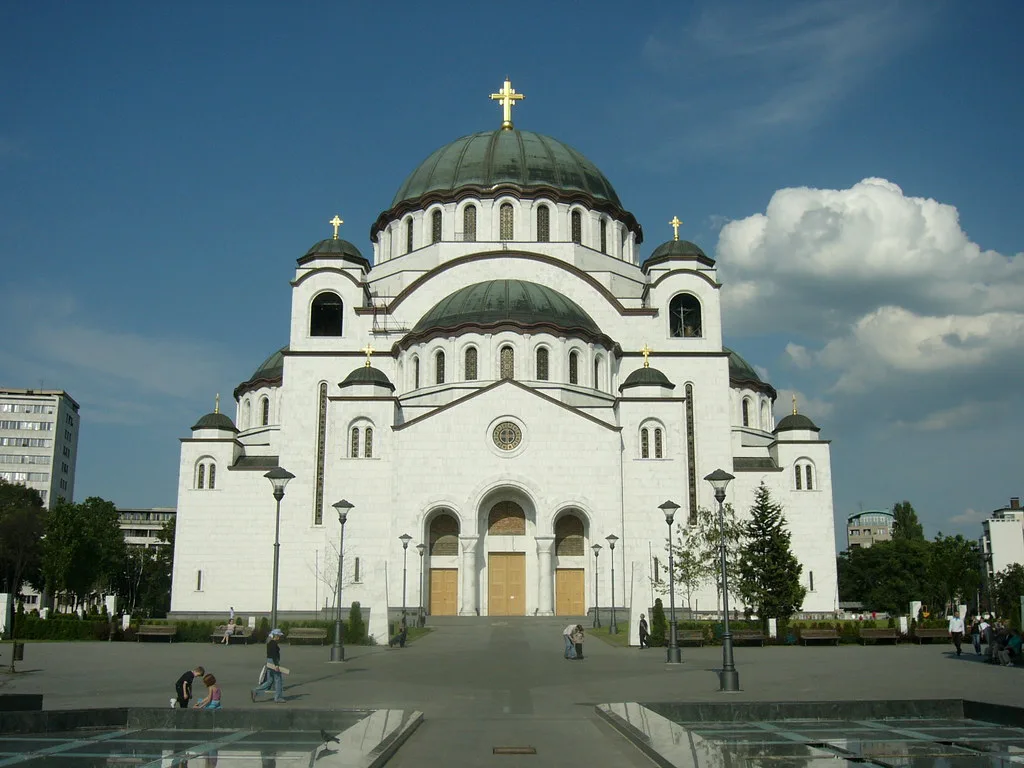
Skadarlija, the cobbled old-quarter street a short walk from Trg Republike, is an evening place in July: restaurants, galleries and antique shops along a street built for slow wandering and long dinners. Saint Sava Church, one of the largest Orthodox churches anywhere, is the best midday refuge in the city, with its scale and interior work rewarding a slower visit.
For a change of air without leaving the city, Avala mountain and Košutnjak forest are the realistic half-day escapes, both close enough to reach and return from in an afternoon. Zemun, the old Habsburg-era town on the Danube now folded into Belgrade, is a gentler alternative to the center, with a waterfront that locals use for evening walks.
Where to escape the heat: parks and mountains
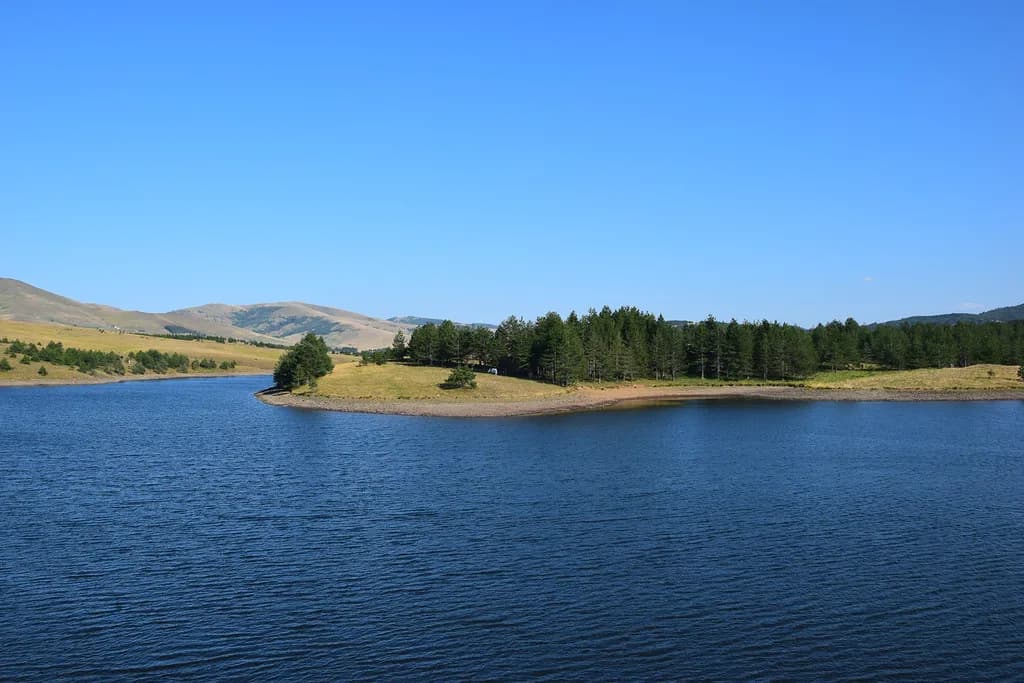
Tara National Park in western Serbia is the strongest July counterweight to the cities, with forest, river gorges and viewpoints at altitude where the air actually moves. It rewards a car: the main attractions are reached on mountain roads, some of them gravel, which is worth factoring into your vehicle choice.
Đerdap National Park along the Danube in the east gives you the river at its most dramatic, with the gorge scenery and riverside roads that make driving the point rather than the chore. The same source of practical driving advice warns of rockfall signs and loose stones on secondary mountain roads there, so take the warnings seriously and avoid cutting corners on blind bends.
Closer to Belgrade, Avala and Košutnjak deliver a half-day of green without a long transfer. If you have only a few days in the city, these are the sensible heat escapes; if you have a week, the mountains justify the drive.
Novi Sad, Vojvodina and the Danube
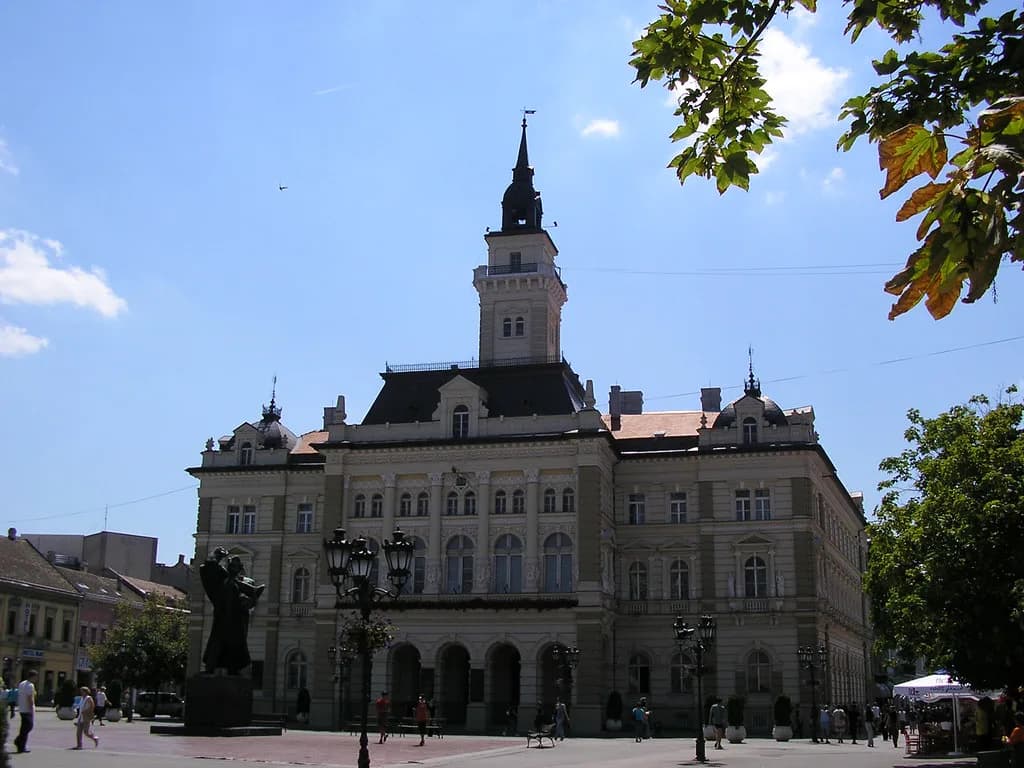
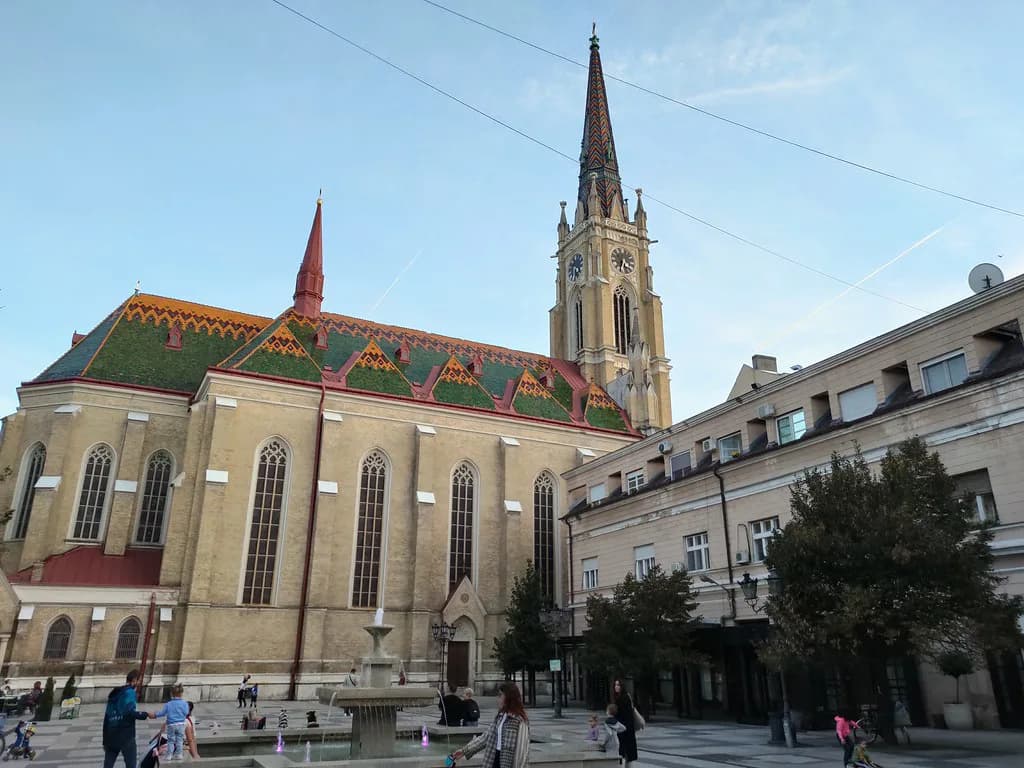
Novi Sad and the Vojvodina plain north of Belgrade give you a different July: a Habsburg-built city core, wide avenues and the Danube rather than a dense old town. The pace is slower than the capital, and the city works well as a two-night base between Belgrade and the northern plains.
Vojvodina's food and wine tradition is the other reason to come north, with the region's kitchens and cellars a natural fit for long July evenings. This is the part of Serbia where a slow dinner is the activity rather than the break from one.
The Danube ties it together. Belgrade's tourism board frames the city by its two rivers and their green banks, and that framing holds for the whole northern route: plan your days around the water and the heat stops being the main subject.
Southern Serbia and the slower pace
Southern Serbia trades the capital's density for a slower rhythm, with river valleys, monasteries and spa towns that reward unhurried movement rather than checklist touring. In July the appeal is partly altitude and partly the fact that fewer people are doing the same thing at the same hour.
This is also where a rental car earns its keep. Distances between interesting stops are real, public transport is thin outside the main corridors, and the roads are the kind of secondary routes the driving guidance describes as slower and less predictable than the motorways.
How many days you need in July
Give Belgrade two full days in July rather than three, spread across mornings and evenings with a shaded middle. The main downtown sights can be done in a single day, but that pace leaves no room for the heat, so two days is the honest minimum.
Add two nights for Novi Sad and Vojvodina, and three or more if you want Tara or Đerdap without rushing the drive each way. A realistic July week is two nights in Belgrade, two in the north, and two to three in the mountains, which beats a compressed version of the same route.
If your time is shorter, cut geography rather than nights. One city plus one mountain area is a better July trip than three bases connected by long, hot transfers, and a written Serbia itinerary keeps you from overfilling the days.
What July does to prices
Serbia's local currency is the dinar, and you should plan and budget in dinars rather than assuming euro acceptance outside tourist-facing businesses. Carry a card for larger payments and cash for markets, small bakeries and rural stops, and read up on money in Serbia before you travel so the cash-versus-card split is clear.
July is peak season, so accommodation and car hire sit at their highest, and the sharpest savings appear outside it: rental rates in Belgrade start around 20 euros a day for a manual and 29 euros for an automatic, dropping to roughly 10 euros a day on a seven-day rental in the spring and autumn shoulder seasons. The lesson for July is to book early rather than to expect a bargain.
For the rest of the picture, from meals to museum tickets, work from observed prices on the ground rather than a national average. Our breakdown of whether Serbia is cheap sets out the categories worth watching, and July's main effect is on the accommodation line.
Getting there and getting around
Nikola Tesla Airport is the main international gateway, served by Air Serbia and a long list of European carriers, which makes Belgrade the practical first stop on most July trips. From the airport, bus 72 runs free to Zeleni Venac, while the A1 minibus to Slavija Square costs 400 dinars, and public transport across Belgrade has been free since 2025 with the airport shuttle as the exception.
Trains and intercity buses connect Belgrade with Novi Sad and the main regional cities, and the practical complication is that Belgrade's stations are split: Beograd Centar handles the Novi Sad and Budapest lines, while Topčider serves routes toward Bar, Skopje and Niš. Check which station your ticket uses before you set out with luggage.
For a wider look at connections between the regions, our guide to getting around Serbia maps out the realistic options. In July, the biggest variable is not the timetable but the traffic on the main corridors.
Driving in July: tolls, rules and mountain roads
Serbia has no vignette; you pay distance-based tolls at booths, in cash in dinars or euros, by card, and the ticket you take on entry stays valid for 24 hours. Toll amounts have changed more than once in a single year, so check the current rate at the booth rather than budgeting from an old figure.
The rules that catch visitors are specific: low-beam headlights at all times, a blood-alcohol limit of 0.2 permille, winter tires and chains legally required from November 1 to April 15, and speed limits of 50 km/h in towns, 130 km/h on motorways, with cameras enforcing averages between toll stations and tunnels. Fuel runs about 1.80 euros per liter, and NIS stations currently take cash in dinars or a Serbian DinaCard rather than foreign cards.
If you are renting, reserve ahead for July: deposits range from zero to around 1,200 euros depending on the company and car, young drivers aged 21 to 25 pay a supplement of about 10 euros a day up to 50 euros per rental plus VAT, and cross-border trips need the company's permission, with fees of roughly 30 euros a day at Carwiz or 60 euros per country at AutoUnion. Our guide to renting a car in Serbia covers the paperwork in full.
One restriction matters for July road trips in the south: rental companies in Serbia do not permit driving into Kosovo. Plan your loop accordingly, and tell the agency your border plans when you book rather than at the counter.
Drawbacks: heat, crowds and afternoon storms
The honest case against July is that its three main problems arrive together. City heat makes daytime sightseeing unpleasant, peak season fills the obvious places and raises accommodation costs, and afternoon storms can cut short an outdoor plan you have traveled a long way to make.
None of these is a reason to avoid Serbia; they are reasons to schedule differently. Put outdoor sights in the morning and evening, keep one indoor option each afternoon, book your car and rooms early, and leave slack in the mountain days for weather rather than locking every hour to a schedule.
July versus May, June, September and October
May and June give you the same green landscapes with cooler walking weather and thinner crowds, and Serbia's own tourism marketing leans on spring greenery for good reason. June is the sweet spot if you want reliable warmth without the peak: see our month guide for Serbia in May and for Serbia in June to compare them directly against July. If you are weighing a wider regional trip instead, our Hungary verdict applies the same season-by-season logic to a neighbouring country.
September and October trade the long evenings and river season for cooler city days, and October adds autumn color in the mountains at the cost of shorter daylight. For a walking-focused trip, either beats July; for a river-and-outdoor-meals trip, July still wins.
If you are fixed to late summer, read August with the same caveats as July and slightly fewer crowds toward the end of the month. If you are free to move, the shoulder months give you more of Serbia for less effort.
For the full month-by-month comparison and the reasoning behind it, the best time to visit Serbia guide sets out the trade-offs in one place, including why spring and autumn keep winning on comfort. Weigh that against how much you value long evenings before you commit to July.
Plan Your July Trip
July is worth it in Serbia if you build the trip around water, mountains and evenings, and treat the city's daytime hours as something to work around rather than fill. It is not the month for a dense walking itinerary in Belgrade, and travelers who want cool, uncrowded sightseeing should look at May, June, September or October instead.
Set your route first, then book the car and rooms early, since July is when both cost most and fill fastest. Check your station, your rental agency's border rules and the current toll rates before you set off, and leave room in each day for a storm and a long dinner.
Frequently Asked Questions
Is July a good time to visit Serbia?
It is good for a trip built around rivers, mountains and long evenings, and weaker for daytime city sightseeing. Belgrade's fortress, pedestrian street and old quarter are exposed, so plan outdoor hours for the morning and evening and keep an indoor option for the afternoon.
Is Serbia hot in July?
Belgrade and the Vojvodina plain are the hottest and most humid parts of the country in July, while Tara and other western mountains stay cooler and fresher. Check the monthly climate normals from Serbia's national weather service for the exact city you are visiting, and treat them as typical conditions rather than a forecast.
How many days do you need in Serbia in July?
Two full days in Belgrade, two nights in Novi Sad and Vojvodina, and three or more in the mountains make a comfortable July week. With less time, cut the number of bases rather than the nights in each place, since long hot transfers cost you more than they add.
Do I need a car to see Serbia in July?
A car helps for Tara, Đerdap and southern Serbia, where public transport is thin and some attractions sit at the end of gravel roads. Belgrade and Novi Sad work well without one, and local transport in the capital has been free with the airport shuttle as the exception.
Is Serbia expensive in July?
July is peak season, so accommodation and car hire reach their highest rates of the year, and booking early matters more than hunting for a discount. Outside the peak, rental rates in Belgrade fall sharply, which is why flexible travelers often get better value in spring or autumn.
Sources
Trip-decision notes
Optional updates when we publish or revise a destination verdict.
You might also like
Continue reading
More guides you'll find useful