Serbia in August: Weather, Crowds and Whether to Go
August in Serbia brings hot days, warm nights and a packed festival calendar. See what the month suits and where to head for cooler air.
On this page
August is a good month for Serbia if you want festivals, long warm evenings and city life, and a poor one if you wilt in the heat. Typical August conditions run from a minimum of around 15°C (59°F) to a maximum of about 27°C (81°F), with roughly 53 mm of rain across the month, according to a Serbia climate chart. Treat those as averages rather than a forecast: Belgrade's August days routinely climb well above the monthly maximum.
The practical answer is to split your trip by altitude. Give the cities and the Vojvodina plain the mornings and evenings, and use the middle of the day for shade, museums or a drive into the hills. If you are still deciding whether the country earns a place on your itinerary at all, start with whether Serbia is worth visiting before you fix a month.
The verdict
Go in August for the festival calendar, the riverfront evenings and the sense that the whole country is outdoors. Skip it if you want cool walking weather, empty streets or a relaxed pace in Belgrade, because the capital bakes and the main sights fill early.
The trade-off is heat versus atmosphere. You get the liveliest version of Serbian city life and the easiest access to high mountain trails, but you pay for it with midday temperatures that make fortress ramparts and concrete boulevards punishing. Plan the day around dawn and dusk and August works well; plan it around lunchtime and it does not. If you are weighing this same trade-off across the region, our verdict on is Montenegro worth visiting makes a useful comparison.
How hot Serbia gets in August
The national picture for August is a minimum of about 15°C (59°F) and a maximum of about 27°C (81°F) with 53 mm of rain, the mildest of the summer peak months in the chart. Those figures blend lowland cities with higher ground, so a day in Belgrade or Novi Sad will feel considerably hotter than the average suggests, while Tara or Kopaonik will feel cooler.
In Belgrade specifically, August afternoons push into the mid-30s Celsius (mid-90s Fahrenheit) and sometimes higher, with nights that stay warm enough to sit outside comfortably. Serbia uses the dinar, so carry cash for markets, kiosks and rural guesthouses even though cards work in city hotels and restaurants; our money in Serbia guide covers the practical side.
Rain and thunderstorms in August
August rain in Serbia often arrives as short, heavy afternoon thunderstorms rather than all-day drizzle, and the monthly total of around 53 mm is lower than May and June. That pattern matters for planning: mornings are usually the reliable window for hiking and sightseeing, and storms tend to build over the hills later in the day.
Build in a flexible indoor option for each day in the mountains, where a thunderstorm can close a ridge trail for hours. In the cities, a downpour is an excuse for a long lunch rather than a ruined day.
Belgrade in August: the fortress, the rivers and the heat
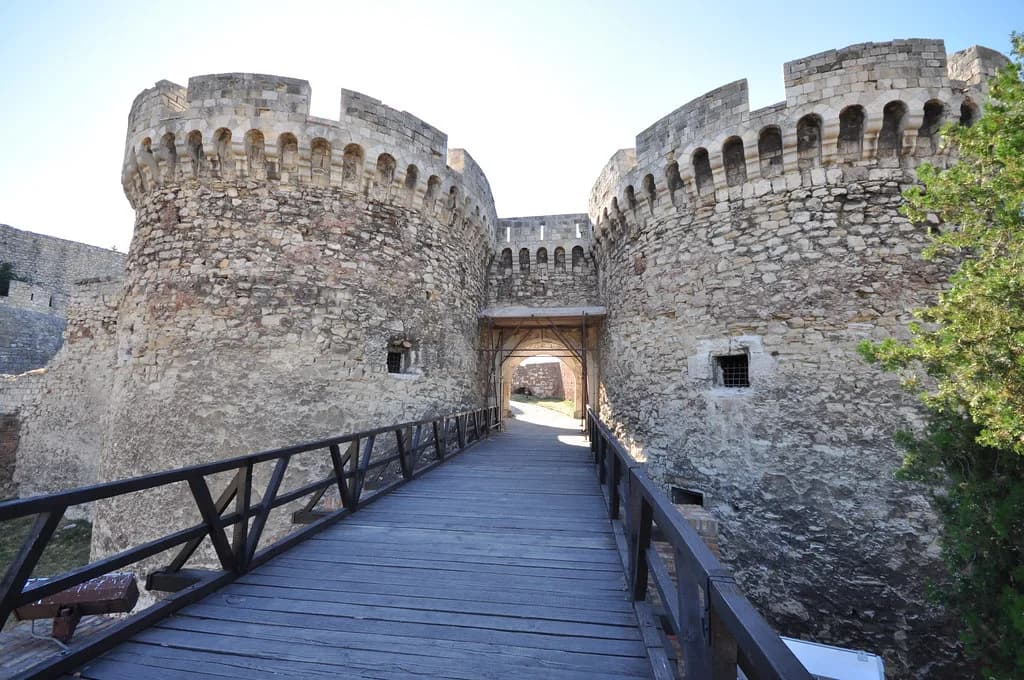
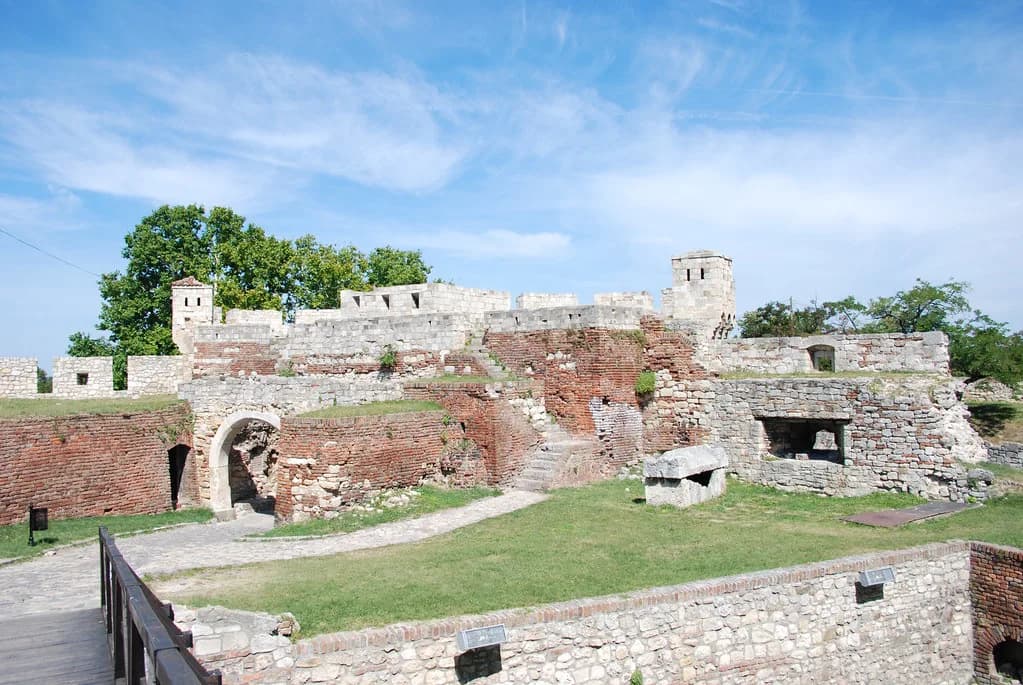
Belgrade Fortress and Kalemegdan Park are the city's best free sight, with views over the confluence of the Sava and Danube, and they are at their best before 10am or after 6pm in August. The exposed walls and lawns offer almost no shade, so treat a midday visit as a mistake. The pedestrian spine of Knez Mihailova is where you retreat for coffee and air conditioning when the heat peaks.
Evenings belong to the rivers, where splavovi barges along the Sava and Danube fill with music and crowds, and Zemun's quay offers a calmer alternative with a meal and a view. If you want the full picture of what the capital offers beyond the fortress, our roundup of the best places to visit in Serbia helps you sequence it with the rest of the country.
Vojvodina and the north: Novi Sad, Fruška Gora and the plains
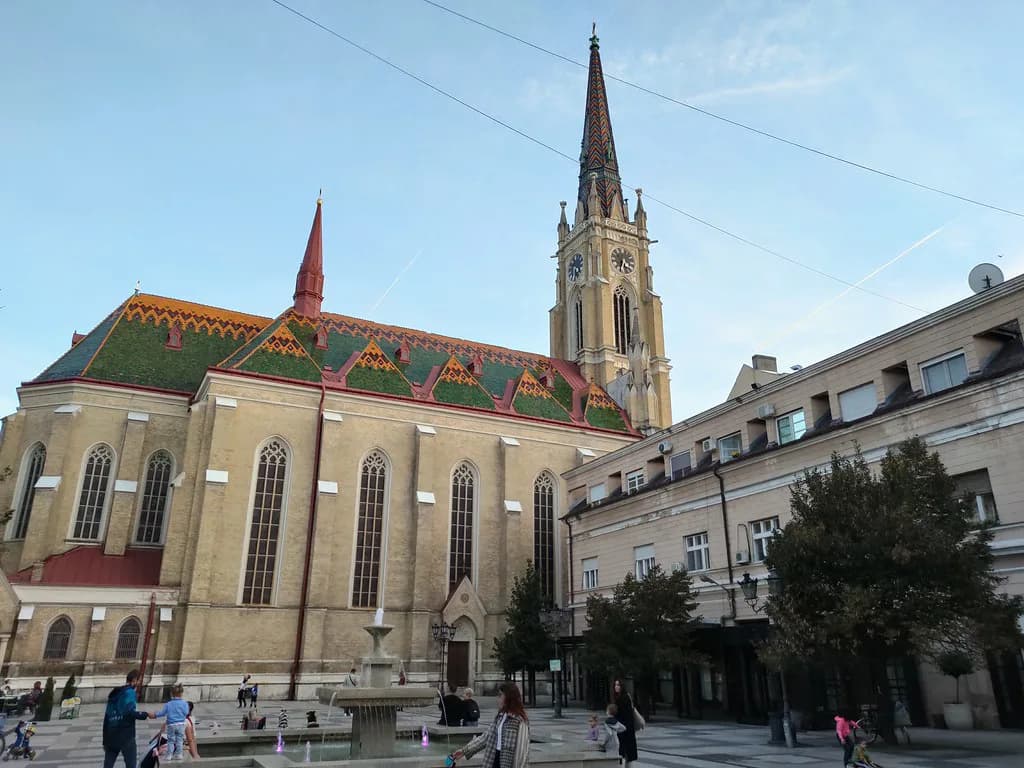
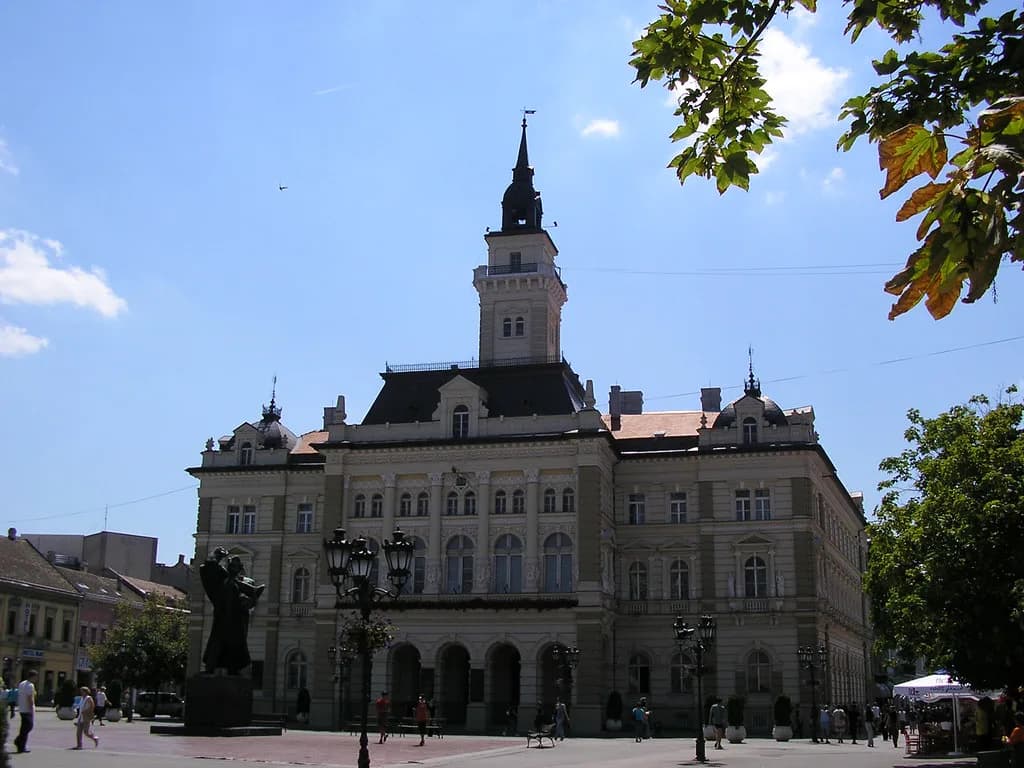
Novi Sad gives you a handsome Austro-Hungarian centre and the Petrovaradin fortifications above the Danube, and August there is hot but flatter and easier to walk than Belgrade's hills. Fruška Gora, the low wooded ridge just south of town, is the local escape: monasteries, vineyards and shaded trails within a short drive of the city.
The Vojvodina plain has little natural shade, so combine town mornings with a countryside afternoon at a salaš farmstead where long, slow lunches under a pergola are the point. Trains and buses link Belgrade and Novi Sad frequently, which makes basing in one and day-tripping to the other straightforward.
Mountain escapes: Tara, Zlatibor and Kopaonik
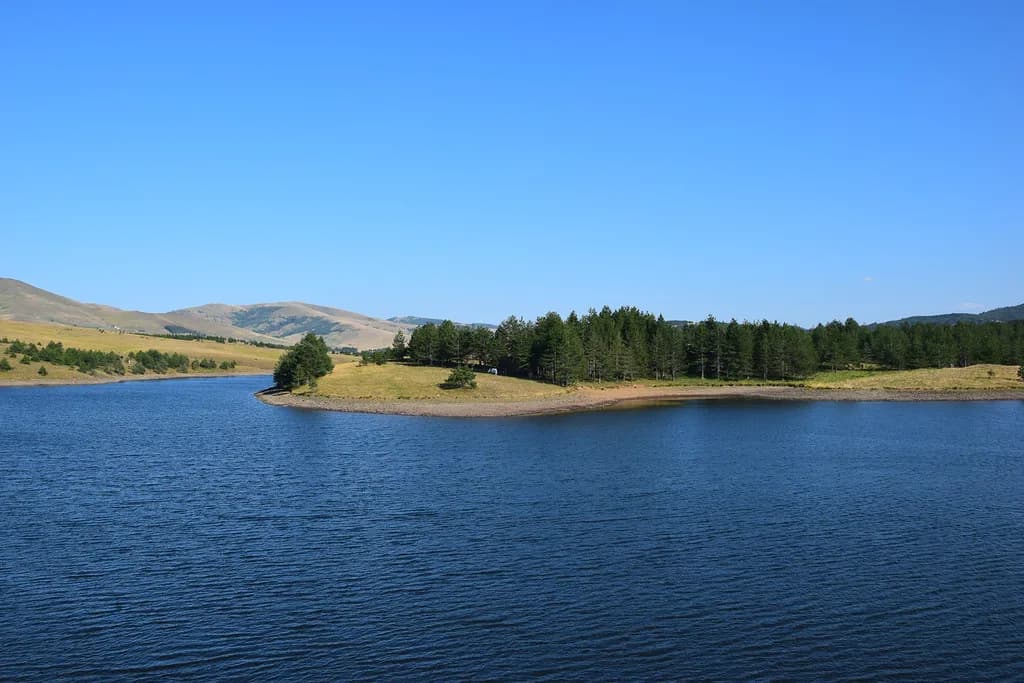
If August heat is your main worry, head for Tara in the west, where the Drina canyon and the Zaovine lake area offer genuinely cool mornings and forested trails. Zlatibor, further south, is busier and more developed, with a resort feel and a lake circuit that suits families, while Mokra Gora and the Šargan Eight heritage railway make a memorable day out nearby. Sirogojno, a village of traditional wooden houses, is the quiet counterpoint to the resort bustle.
Kopaonik in the south is a ski resort out of season, which means discounted accommodation and empty trails but also some closed facilities, so plan walks around what is actually operating rather than assuming full service. A car helps enormously here; our guide to renting a car in Serbia explains what to expect on mountain roads.
Guča Trumpet Festival and the August event calendar
The Guča Trumpet Festival, the brass-band gathering in western Serbia, takes place in August and is the month's loudest, most crowded reason to come. It is also a reason to plan around the surrounding roads: accommodation in the Dragačevo area fills and traffic swells during the festival, so book transport and beds well ahead or route your trip to avoid the crush.
The rest of the major calendar sits outside August: EXIT at Petrovaradin runs in July and the Belgrade Music Festival in October, so August travelers get Guča rather than those two. Check the festival's own channels for the current edition's dates before tying flights to it.
Who will love Serbia in August
Festival-goers, brass-band fans, families with school holidays and anyone who wants warm nights on a river terrace will find August generous. Hikers bound for Tara and Kopaonik also do well, since the high trails are clear of snow and the days are long.
City-break travelers who structure their days sensibly, with early sightseeing and a long shaded afternoon, get Belgrade and Novi Sad at their most alive.
Who should choose another month
Anyone who dislikes heat, plans long midday walking tours or wants the fortress and parks to themselves should look at spring or early autumn instead. The best time to visit Serbia sets out the alternatives, with April and October offering milder conditions and lighter crowds around the same sights.
Travelers on a tight budget should also weigh August carefully, because domestic holiday demand peaks and mountain resorts fill with Serbian families. September brings cheaper rooms and cooler air without losing much daylight.
How many days you need in August
Give Belgrade two full days, working the fortress and the old town in the early morning and the riverside in the evening. Add a day trip to Novi Sad, then two to three nights in the mountains if you want a genuine break from the heat. A week covers the essentials; ten days lets you add Tara or the Mokra Gora railway without rushing.
Pace the trip around the heat rather than the map. Two heavy sightseeing blocks per day, morning and evening, achieve more in August than four hours of midday walking.
Getting there and getting around
Nikola Tesla Airport serves Belgrade with direct flights from across Europe and the Middle East, and the city is the natural hub for onward travel. Buses and trains reach Novi Sad and other regional towns, but mountain areas such as Tara and Kopaonik are far easier with your own vehicle; getting around Serbia explains the trade-offs between the two.
Organized tours cluster around August departures, which is worth knowing if you would rather not drive mountain roads yourself. Compare what each itinerary actually includes before booking, since August group departures vary widely in pace and coverage.
Typical costs in August
Serbia remains one of the cheaper corners of Europe for food, drink and local transport, though August peak demand nudges city rooms and mountain apartments upward. Prices are in dinars, and rural guesthouses and markets often run on cash. Our guide to whether Serbia is cheap breaks down what a day actually costs.
The single biggest saving is to skip the car in the cities and rent one only for the mountain leg, since parking in central Belgrade is scarce and daily rental costs add up quickly.
Serbia in August vs July and September
July is the hottest and busiest month, with EXIT drawing huge crowds to Novi Sad, so August is marginally calmer in the north while still firmly high season. September is the better pick for walkers: the heat breaks, the light stays long and rates soften, at the cost of the festival buzz.
If your priority is festivals, August wins. If it is comfortable temperatures and cheaper rooms, September does. For a city break with long evenings, both months work well.
October continues the cooling trend and brings the Belgrade Music Festival and the wine harvest, which makes it a strong shoulder-season choice for culture-focused trips. Our Serbia in October guide covers what changes.
Plan Your Visit
August in Serbia is a month of hot days, warm nights and a busy festival calendar, best enjoyed with early starts and a mountain escape built into the plan. Choose it for atmosphere and accept the heat, or move to September for comfort.
Whichever you pick, settle your month choice alongside the wider question of whether the country suits your trip. Our Serbia in July guide covers the month before if you are weighing the peak of summer.
Frequently Asked Questions
How hot is Serbia in August?
Typical August conditions run from a minimum of around 15°C (59°F) to a maximum of about 27°C (81°F), but that national average blends cooler mountains with hot lowlands. Belgrade and the Vojvodina plain regularly push well above the average maximum in the afternoon.
Does it rain in Serbia in August?
August sees roughly 53 mm of rain nationally, usually falling as short, heavy afternoon thunderstorms rather than steady drizzle. Mornings are generally the most reliable window for outdoor plans, especially in the mountains.
Is August a good time to visit Serbia?
It is good for festival-goers, riverfront evenings and mountain hiking, and less good for anyone who dislikes heat or wants quiet streets. Pace your days around early mornings and evenings and the month works well.
What events happen in Serbia in August?
The Guča Trumpet Festival takes place in August and is the month's headline event, drawing brass bands and big crowds to western Serbia. EXIT runs in July and the Belgrade Music Festival in October, so they fall outside August.
Is August or September better for Serbia?
September is better for walkers and budget travelers, with cooler air, longer daylight than you might expect and softer room rates. August wins if festivals and the liveliest city atmosphere are your priority.
Sources
Trip-decision notes
Optional updates when we publish or revise a destination verdict.
You might also like
Continue reading
More guides you'll find useful