Best Time to Visit Serbia: A Month-by-Month Verdict
May, June and September are the best months to visit Serbia. See monthly highs, lows and rainfall, plus festival crowds, ski season and the wettest weeks.
On this page
For most trips, the best time to visit Serbia is late April to June and September to early October, when daytime highs sit between roughly 17°C and 27°C (63°F to 81°F) and the summer crowds have not yet peaked or have already thinned. July and August are the choice if you want river swimming, long warm evenings and the country's biggest festivals, but you pay for it in heat, higher prices and busier roads. If you are still weighing the destination itself, our verdict on whether Serbia is worth visiting covers what the country does and does not do well before you commit to a month. Travelers comparing options across the region often ask the same question about is Romania worth visiting.
The verdict at a glance
Pick May, June or September for a first trip. Spring brings wildflowers, Orthodox Easter celebrations and warming weather, while September keeps summer's warmth with fewer people and lower prices. The trade-off is rain: May and June are the wettest months in the country's climate chart, so build one indoor or city day into any hiking plan.
Avoid late July and August if you dislike heat above 30°C (86°F) or need cheap accommodation, because this is high season and prices for tours and rooms rise accordingly. Choose winter only if skiing or snow is the point of the trip; otherwise the short days and cold make the cities and mountain roads less rewarding.
Serbia temperatures and rainfall by month
These are typical monthly figures from a published Serbia climate chart rather than forecasts, useful for comparing April against October at a glance. January averages a low of -2°C (28°F) and a high of 4°C (39°F) with 47 mm of rain, February -1°C to 6°C (30°F to 43°F) with 44 mm, and March 3°C to 12°C (37°F to 54°F) with 46 mm. April warms to 7°C to 17°C (45°F to 63°F) on 56 mm.
May reaches 12°C to 22°C (54°F to 72°F) but brings 71 mm, and June is the wettest month at 91 mm with 15°C to 25°C (59°F to 77°F). July and August both peak near 27°C (81°F) with lows of 16°C and 15°C (61°F and 59°F), and rainfall drops to 67 mm and 53 mm respectively. September holds 12°C to 24°C (54°F to 75°F) on 51 mm, October falls to 8°C to 18°C (46°F to 64°F) on 46 mm, November drops to 3°C to 10°C (37°F to 50°F) on 57 mm, and December sits at 0°C to 5°C (32°F to 41°F) on 59 mm.
Spring (March to May): wildflowers, Orthodox Easter and the wettest weeks
Spring starts cool and ends genuinely warm, climbing from March's 12°C (54°F) highs to 22°C (72°F) in May. Daytime averages of 15°C to 20°C (59°F to 68°F) make this a good window for city walking and lower-altitude hiking, and the fields and orchards come alive after winter. Pack a rain layer rather than counting on dry days.
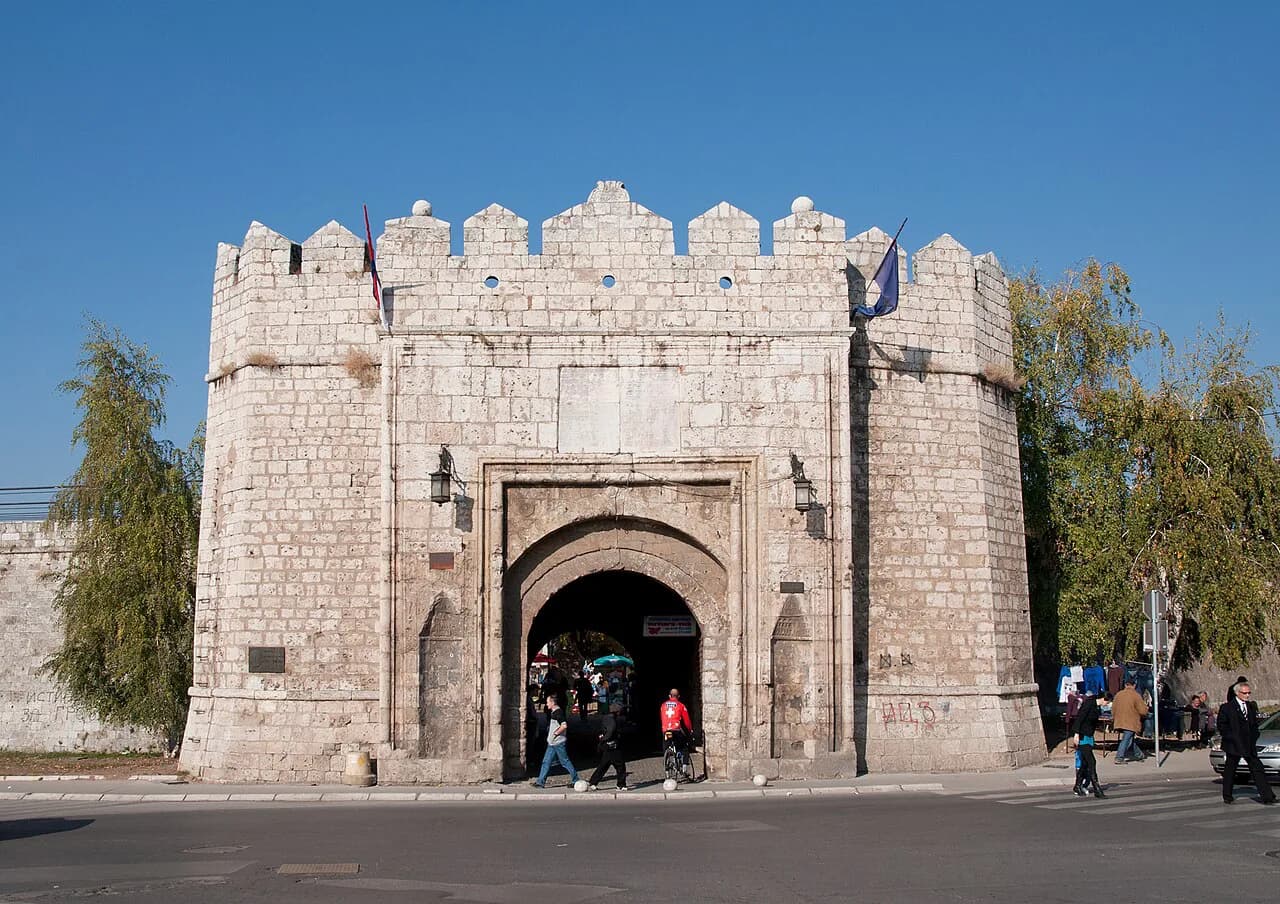
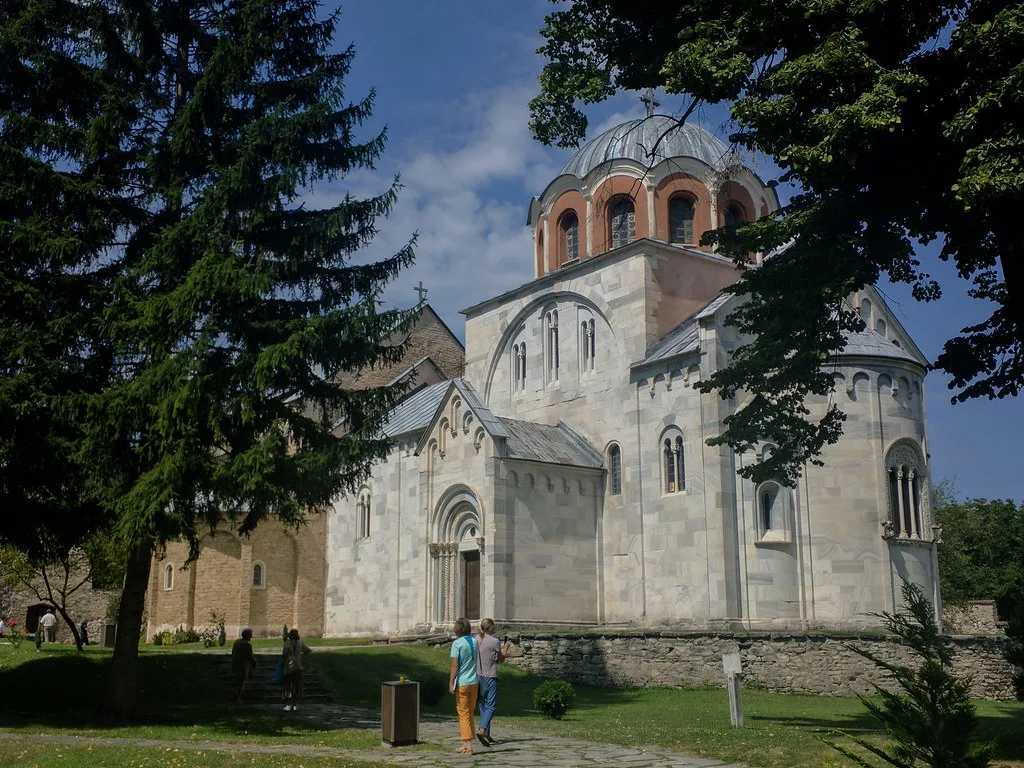
Orthodox Easter anchors the season and is the biggest celebration in Belgrade, while Fruška Gora National Park and Niš Fortress are at their best before the summer heat arrives. Rain risk peaks in May and June, so treat a wet afternoon as likely rather than unlucky and keep a museum or a long lunch in reserve.
Summer (June to August): heat, rivers and festival crowds
June is the quieter summer month, with highs around 25°C (77°F) and fewer visitors than August, which makes it the best compromise if school holidays force you into summer. July and August push past 30°C (86°F) on the hottest days, which is when the Danube beaches in Belgrade and Novi Sad earn their keep. Expect higher prices for tours and rooms in these weeks.
Festivals drive the summer calendar: EXIT takes over Petrovaradin Fortress above the Danube in July, and Belgrade Beer Fest fills Usce Park in August, drawing domestic and international crowds. The atmosphere is excellent and so is the pressure on beds and buses, so book transport and accommodation well ahead if either is your reason for coming.
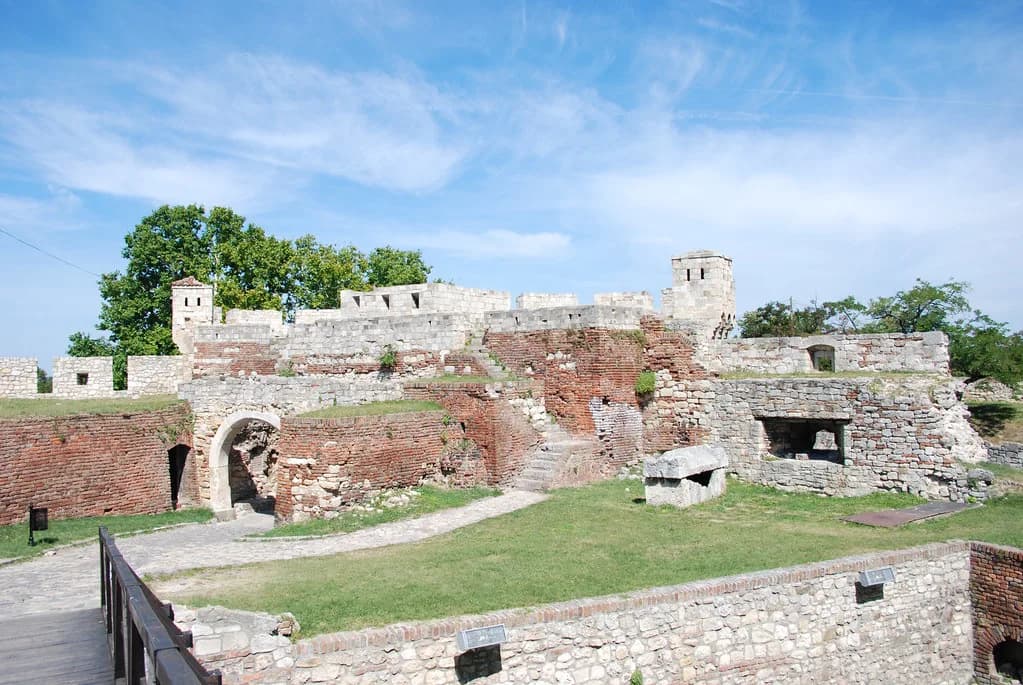
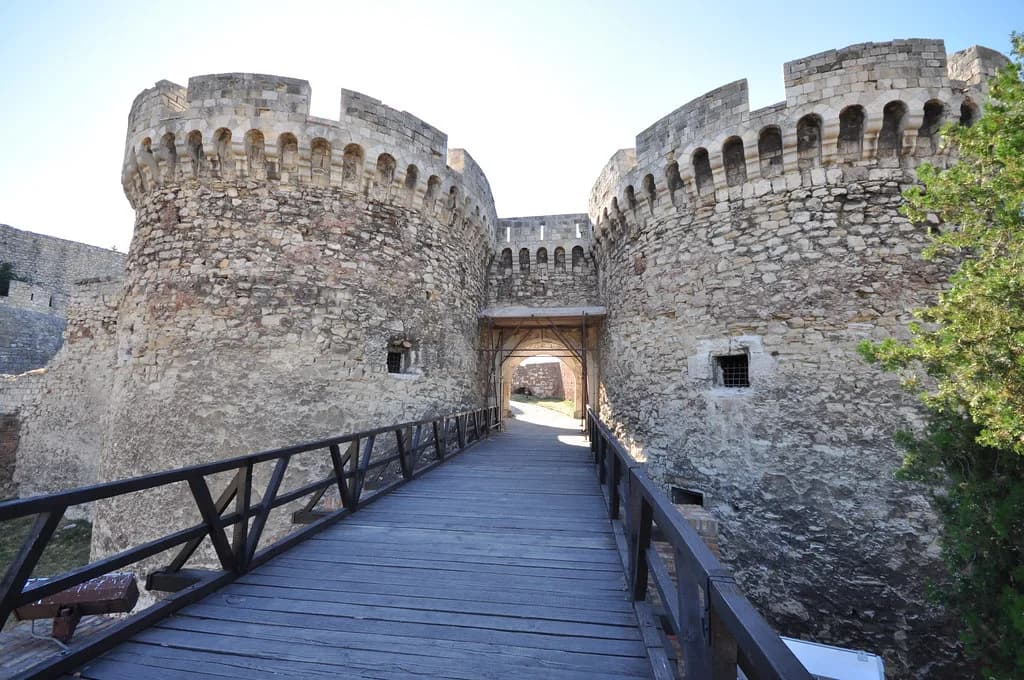
City days need planning in the heat, with early mornings for Kalemegdan Fortress and the riverside parks and afternoons indoors or in the shade of Knez Mihailova's cafés. Thunderstorms arrive in bursts rather than all-day drizzle, so a flexible plan beats a rigid one.
Autumn (September to November): dry warm days and the wine harvest
September is the strongest all-round month for many travelers: highs of 24°C (75°F), only 51 mm of rain, warm evenings and noticeably thinner crowds than August. October is still pleasant at 18°C (64°F) and brings the wine harvest, which makes it the month for Vojvodina and the cellars around Sremski Karlovci. A separate Serbian weather table puts the fall range at 15°C to 25°C (59°F to 77°F), close enough to plan around either way.
Fall foliage is the other draw, with Fruška Gora National Park and the Ovčar-Kablar Gorge turning in October. The Belgrade Music Festival lands in October, timed to the harvest, and gives the capital a cultural reason to visit beyond the summer season. November is the pivot point, dropping to 10°C (50°F) highs and 57 mm of rain, so treat it as a shoulder month for cities rather than mountains.
Winter (December to February): cold, snow and ski country
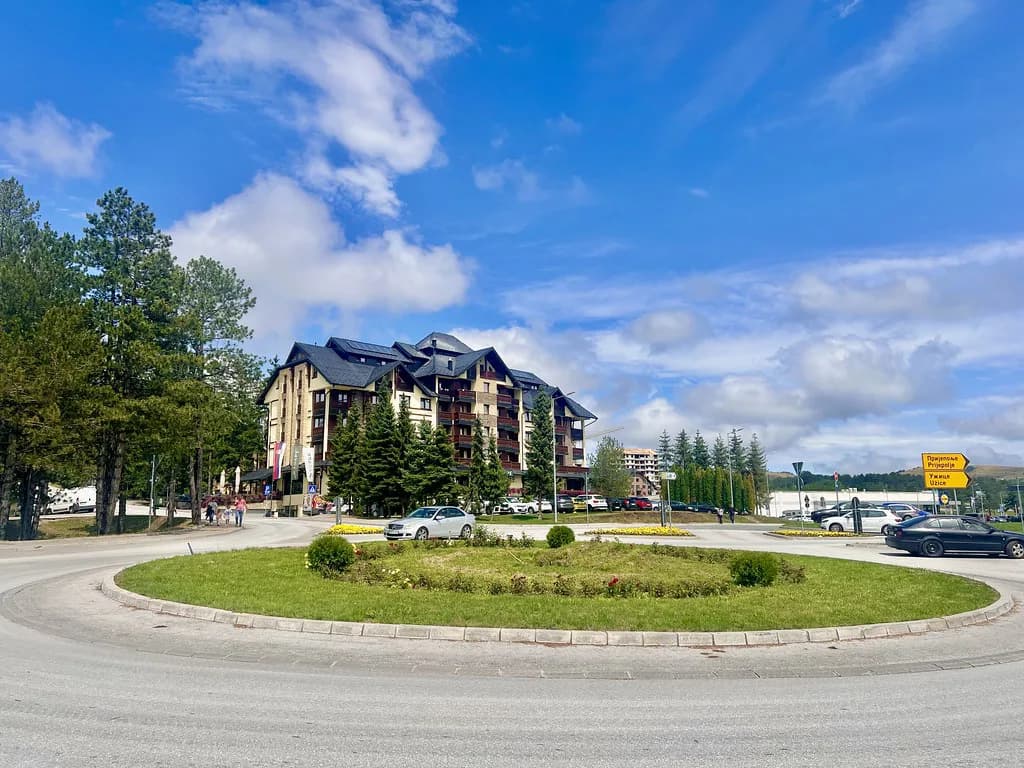
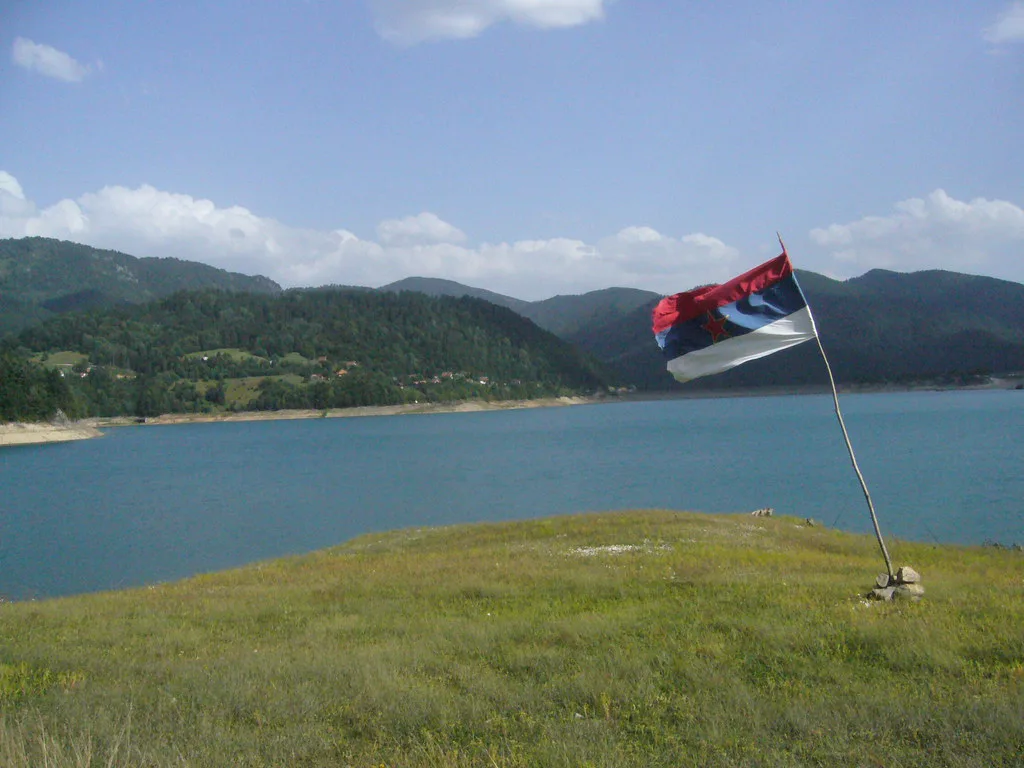
Winter is cold and snowy, with January highs of just 4°C (39°F) and lows of -2°C (28°F), so plan around short daylight and slippery streets in the cities. Kopaonik and Zlatibor are the go-to resorts for skiing and snowboarding, and Zlatibor is the gentler, usually less expensive option for beginners. Experienced riders may find Zlatibor limiting and should look to Kopaonik for a full season of terrain.
Serbia is flat in the north, so a winter road trip through Vojvodina is less dramatic than the mountain west, and snow can slow driving on secondary roads. Orthodox Christmas on 7 January and Orthodox New Year on 14 January extend the festive period, but winter is a specialist season rather than the default one.
When to go for cities: Belgrade, Novi Sad and Niš
For Belgrade, April to June and September to October give you the best of the city: Kalemegdan Park and Belgrade Fortress above the Sava and Danube confluence, the Skadarlija quarter and Ada Ciganlija's river beach, all without August's heat. Spring is especially good as the parks and gardens come into bloom. If you are choosing between months, our month-by-month guides do the fine-grained comparison.
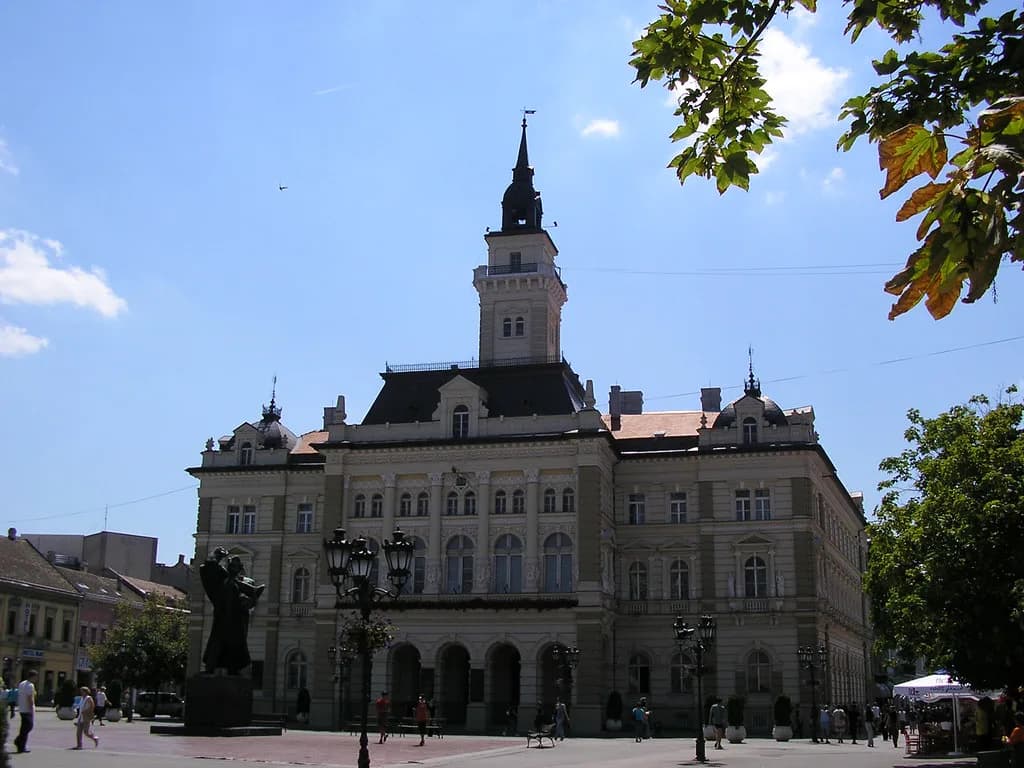
Novi Sad and Petrovaradin Fortress work well across the same windows, with the fortress and its Danube views best in May, June and September. Niš, in the south, is one of Europe's oldest cities and combines the Niš Fortress with a rich historical heritage, and spring is a comfortable time to walk it. Winter keeps the cities cheap but limits what you want to do outdoors.
When to go for mountains and national parks
High country waits for summer. The higher peaks are more accessible later in the season, and the June rain figures mean late June through September is the safer bet for long hikes in Tara National Park and the Uvac area. Plan a reserve day: summer rain arrives as thunderstorms, and mountain weather can include wind chill and sudden storms even in July.
Fruška Gora National Park in Vojvodina is the exception, rewarding in spring for green trails and monasteries and again in autumn for foliage. The Ovčar-Kablar Gorge, between the Ovčar and Kablar mountains, is a fall destination for color and quieter paths. If you plan to string these together, renting a car in Serbia removes the timetable problem on rural routes.
The heritage train to Mokra Gora and the village of Sirogojno in the west pair naturally with a summer or early autumn trip, when the mountain roads are clear and the days are long. Outside that window, snow and ice can close off the very landscapes you came for.
When to go for events
Serbia's festival calendar is concentrated in the warm months: EXIT at Petrovaradin Fortress in Novi Sad in July, the Dragačevo Trumpet Festival at Guča in August, and the Belgrade Music Festival in October. Exact dates vary each year, so check the organisers' pages before booking flights. The trade-off is straightforward: festivals bring atmosphere and also the tightest accommodation and busiest roads of the year.
If events are not your priority, deliberately travel around them. A week in late June or early September gives you similar weather with far more choice of rooms and easier transport. That planning decision often matters more to the trip than the exact month.
Crowds, prices and school holidays
Summer is high season, so tour and accommodation prices climb along with visitor numbers. Serbia is still relatively cheap by European standards and remains off the beaten track, which is a reason to go before that changes. Currency matters here: the country uses the Serbian dinar, so budget in dinars rather than assuming euro prices.
Spring and autumn give better value with fewer people, and winter outside the ski resorts is quieter still. If you are comparing costs in detail, a guide to whether Serbia is cheap breaks down what a trip actually costs by category.
How many days you need, by season
If you are visiting Belgrade alone or one city and nothing more, a week is more than enough. Add Novi Sad, Petrovaradin and Fruška Gora and two weeks fills comfortably; add the western mountains and the heritage train and you want longer. In winter, keep the plan tighter because daylight is short and mountain driving is slower.
A practical split for a first trip in May, June or September is three to four days in Belgrade, two in Novi Sad, and three to four in the west around Tara, Uvac and Mokra Gora. That gives you a washout buffer without wasting days. Shorter trips should pick one region rather than trying to cross the country.
The drawbacks nobody mentions
May and June are the wettest months, with 71 mm and 91 mm of rain, so a hiking itinerary without slack is a gamble. Summer heat above 30°C (86°F) makes midday city walking unpleasant, and thunderstorms arrive in bursts. Mountain wind chill and rain can surprise you even in summer, so treat the high country as its own climate rather than an extension of the city forecast.
The north is flat, which makes road trips through Vojvodina less dramatic than in neighboring mountainous countries. Winter narrows options further: short days, snow and cold rule out most rural exploring. None of these are reasons to skip Serbia, but they should shape which month you pick and where you go.
Who should pick a different month, and who should pick a different country
Choose May, June or September if you want cities plus moderate hiking and dislike peak-season prices. Choose July or August only if festivals or river swimming are the point, and accept heat and crowds as the cost. Choose winter if you are skiing at Kopaonik or learning at Zlatibor, and choose November only for a short city break.
If you need guaranteed beach weather, Serbia is landlocked and the river beaches are pleasant rather than a seaside substitute, so a coastal country may suit you better. If you want short flights, dense cities and lower costs, Serbia fits well in spring and autumn. Our guide to the best places to visit in Serbia helps you match the month to a realistic route.
Getting there and getting around in each season
Flights into Nikola Tesla Airport outside Belgrade run year-round, and the city is the natural arrival point for any season. From there, buses and trains link Belgrade and Novi Sad, while the west and south are easier with a car because rural timetables thin out. If you are relying on public transport, a guide to getting around Serbia sets out the realistic options.
Summer brings more frequent services and more competition for seats, especially around festivals, while winter snow can slow mountain roads. Staying connected matters more when timetables shift, and a Serbia eSIM set up before departure avoids hunting for a prepaid SIM card on arrival. Keep your itinerary flexible enough to absorb a delay.
Plan Your Season
For most travelers the answer is May, June or September, with October as the pick for the wine harvest and cities. July and August work when festivals and rivers matter more than comfort, and winter is for skiers. Decide which of those describes your trip, then match the month to that priority rather than to a general best-time list.
Whichever season you choose, give yourself one flexible day, travel in dinars, and check event dates with the organisers before booking. That is enough to make a Serbian trip work in almost any month.
Explore more Serbia trip-decision guides
Frequently Asked Questions
Which month is best to visit Serbia?
May, June and September are the best months for most trips. Daytime highs sit around 22°C to 27°C (72°F to 81°F), the cities and national parks are comfortable, and you avoid the peak-summer crowds and prices. May and June carry the highest rain totals, so build in a spare indoor day if you plan to hike.
Should I visit Serbia in April or May?
April is cooler, averaging about 7°C to 17°C (45°F to 63°F), with Orthodox Easter often providing the cultural highlight. May is warmer at 12°C to 22°C (54°F to 72°F) but wetter, with 71 mm of rain. Choose April for cities and May for wildflowers and the start of hiking season.
Is summer a good time to visit Serbia?
Yes, if you want heat, river beaches and festivals. July and August peak near 27°C (81°F) with some days above 30°C (86°F), and EXIT at Petrovaradin and Belgrade Beer Fest bring the biggest crowds. June is the quieter summer month and the better compromise if you dislike peak-season prices.
How many days in Serbia is enough?
A week covers Belgrade well, or Belgrade plus Novi Sad. Two weeks lets you add Fruška Gora, Niš and the western mountains around Tara, Uvac and Mokra Gora. In winter, shorten the plan because daylight is limited and mountain roads slow.
Is Serbia cheap or expensive?
Serbia is relatively cheap by European standards, especially outside peak summer. Prices for tours and accommodation rise in July and August, while spring and autumn offer better value. The country uses the Serbian dinar, so plan your budget in dinars rather than euros.
What is the weather like in Serbia in July?
July is hot, averaging 16°C to 27°C (61°F to 81°F) with occasional days above 30°C (86°F), and receives about 67 mm of rain, often as thunderstorms. Evenings are warm, which suits river beaches and festival nights.
When is ski season in Serbia?
Skiing runs through the winter months at Kopaonik and Zlatibor, when January highs average 4°C (39°F) and lows -2°C (28°F). Zlatibor suits beginners and is generally the gentler, less expensive option; Kopaonik offers more terrain for experienced riders. Confirm snow conditions and lift schedules with the resorts before booking.
When is the best time to visit Serbia for wine?
October is the month for the harvest, with the wine country of Vojvodina around Sremski Karlovci and the Belgrade Music Festival adding a cultural draw. Temperatures are still mild at around 18°C (64°F), and the summer crowds have gone.
Sources
Trip-decision notes
Optional updates when we publish or revise a destination verdict.
You might also like
Continue reading
More guides you'll find useful