Serbia eSIM: Local Networks, Roaming and Data Options
A Serbia eSIM gets you online without hunting for a shop in Belgrade. Compare operators, roaming limits and prepaid data options before you fly.
On this page
A Serbia eSIM is usually worth buying if you want data the moment you land at Nikola Tesla Airport, and it makes the most sense for short trips or multi-country routes where you would rather not spend an hour in a Belgrade phone shop. For stays of a fortnight or more, or for anyone who needs a Serbian number for calls and local services, a prepaid SIM bought in the country often works out better.
The single most useful fact before you buy: Serbia is not in the European Union, so the EU roaming rules that let you use your home plan across member states do not carry over the border. If your trip also covers Hungary, Croatia, Bulgaria or Slovenia, you need a regional plan rather than a Serbia-only one.
The verdict: when a Serbia eSIM beats a local SIM card
Buy a Serbia eSIM if your trip is a week or two, you land late or move on quickly to another country, and your phone supports eSIM. Skip it if you will be in Serbia for a month, need a local phone number for deliveries, apartment viewings or Serbian-language calls, or use a handset without eSIM support. The middle ground is a data-only eSIM for navigation and messaging with your normal number left active for calls.
The trade-off is control versus convenience. A local prepaid SIM gives you a Serbian number, a local operator's own app and usually the best per-gigabyte rate for longer stays, but it costs you a shop visit, ID registration and a chunk of your first afternoon. Whether that trade is worth it depends largely on how long you are staying and whether your itinerary is mostly city or mostly road.
Which networks your Serbia eSIM runs on
Airalo lists A1 as the primary network for its Serbia plans, which tells you the coverage you get is A1's domestic network rather than a resold roaming arrangement. A1 is one of Serbia's main mobile operators, alongside Mts and Yettel, so an eSIM on A1 behaves much like an A1 prepaid SIM in Belgrade, Novi Sad and along the main highways.
Compare the network named on any plan's page with the network whose SIM you would otherwise buy, and you can judge coverage claims on familiar ground. The three national operators all cover the big cities well; differences show up in mountain areas, in deep river valleys and inside thick-walled old buildings, where any single network can drop to a weak signal.
EU roaming rules and why they stop at the Serbian border
EU roaming rules apply within the European Union, so a plan built around them covers Hungary, Croatia, Bulgaria and Slovenia but not Serbia. Treat the Serbian border as the point where your home allowance stops working as it does at home, and plan for data from the moment you cross, whether you arrive by air or overland from the north.
The practical workaround for a Balkan route is a Europe regional eSIM that includes Serbia as one of its covered locations. Airalo sells a Europe package from a listed price of $5.00 USD alongside its Serbia-specific plans, and regional packages of this kind save you from buying a new plan in every country on the route. Prices and included allowances change, so compare the destination list against your actual itinerary before you commit.
Serbia eSIM versus a Serbian prepaid SIM card
A prepaid SIM from a Serbian operator gets you a local number, which matters if you want to call guesthouses, book a taxi by phone or use Serbian services that expect a domestic number. It also gives you a shop to walk into when something goes wrong. The cost is time: you need to find an operator store, show ID and have the card registered before it works.
An eSIM is bought before you fly, installs in minutes and starts working when you connect in Serbia, which is why it suits short trips and tight connections. It is data-first, though, and most travel eSIMs are data-only, so voice calls run over apps rather than the normal phone network. For a two-week trip mixing Belgrade and Novi Sad with a road loop, a data-only eSIM plus a messaging app covers nearly everything except local voice calls.
Data-only eSIM versus an eSIM with a phone number
Data-only plans are the default for travel eSIMs and are enough for maps, tickets, translation and messaging. If you need to receive a bank verification code or make a normal voice call to a hotel, keep your home SIM active for calls and texts and run the eSIM as your data line. Check that your phone allows two active lines before relying on this setup.
Plans that include a Serbian number exist in the local prepaid market rather than in most travel eSIM catalogues, and they come with registration requirements. Decide what you actually need the number for: a week of city sightseeing rarely requires one, while a longer stay or a rural guesthouse booking may.
Unlimited-data plans and what they actually allow
Airalo lists unlimited Serbia packages across set durations, with 3 days at $18.50 USD, 7 days at $33.50 USD and 30 days at $95.00 USD among the options. Those are the seller's own listed prices in US dollars rather than dinars, and they are the kind of figure that shifts with promotions, so treat them as a benchmark rather than a fixed cost.
Unlimited in practice usually means a generous daily allowance with speeds managed after a threshold, and a travel plan is not a substitute for home broadband. If you plan to work remotely from an apartment in Belgrade, a local fixed connection or a prepaid SIM with a clear data allowance is the more predictable choice.
Coverage in Belgrade, Novi Sad and beyond the cities
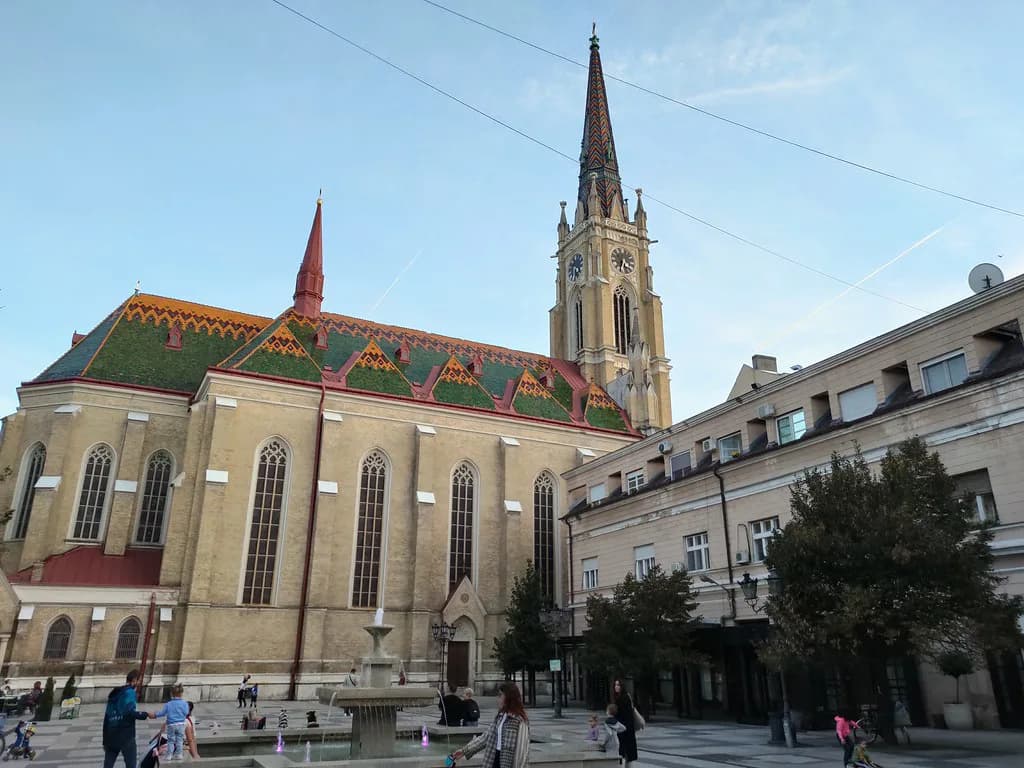
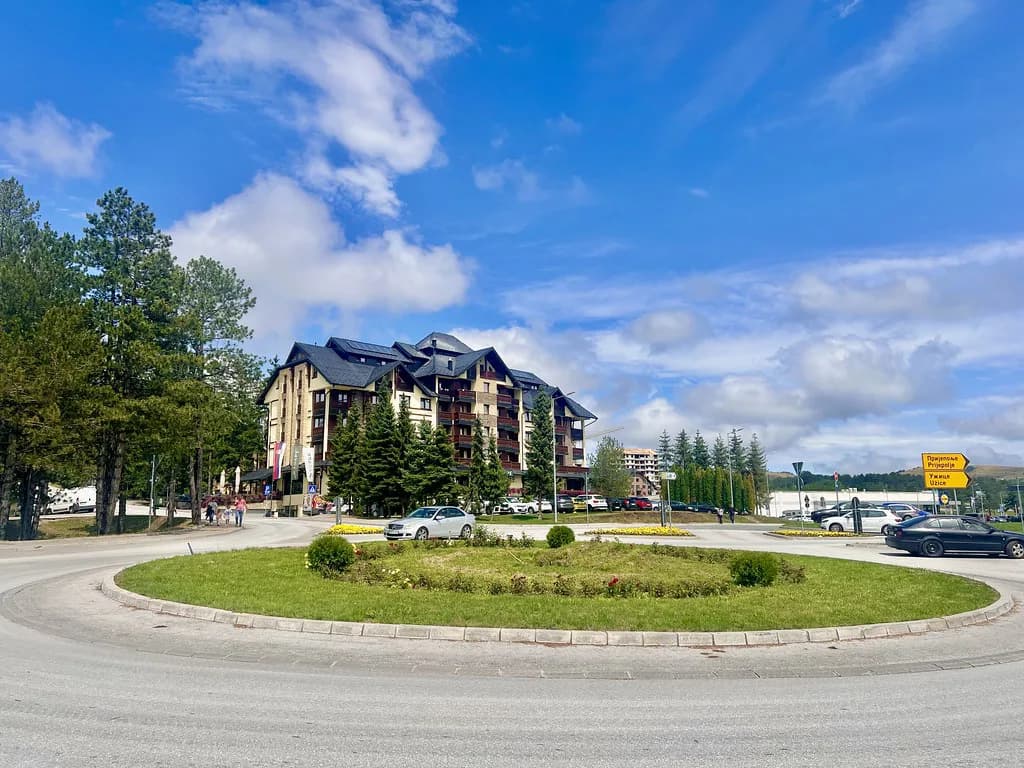
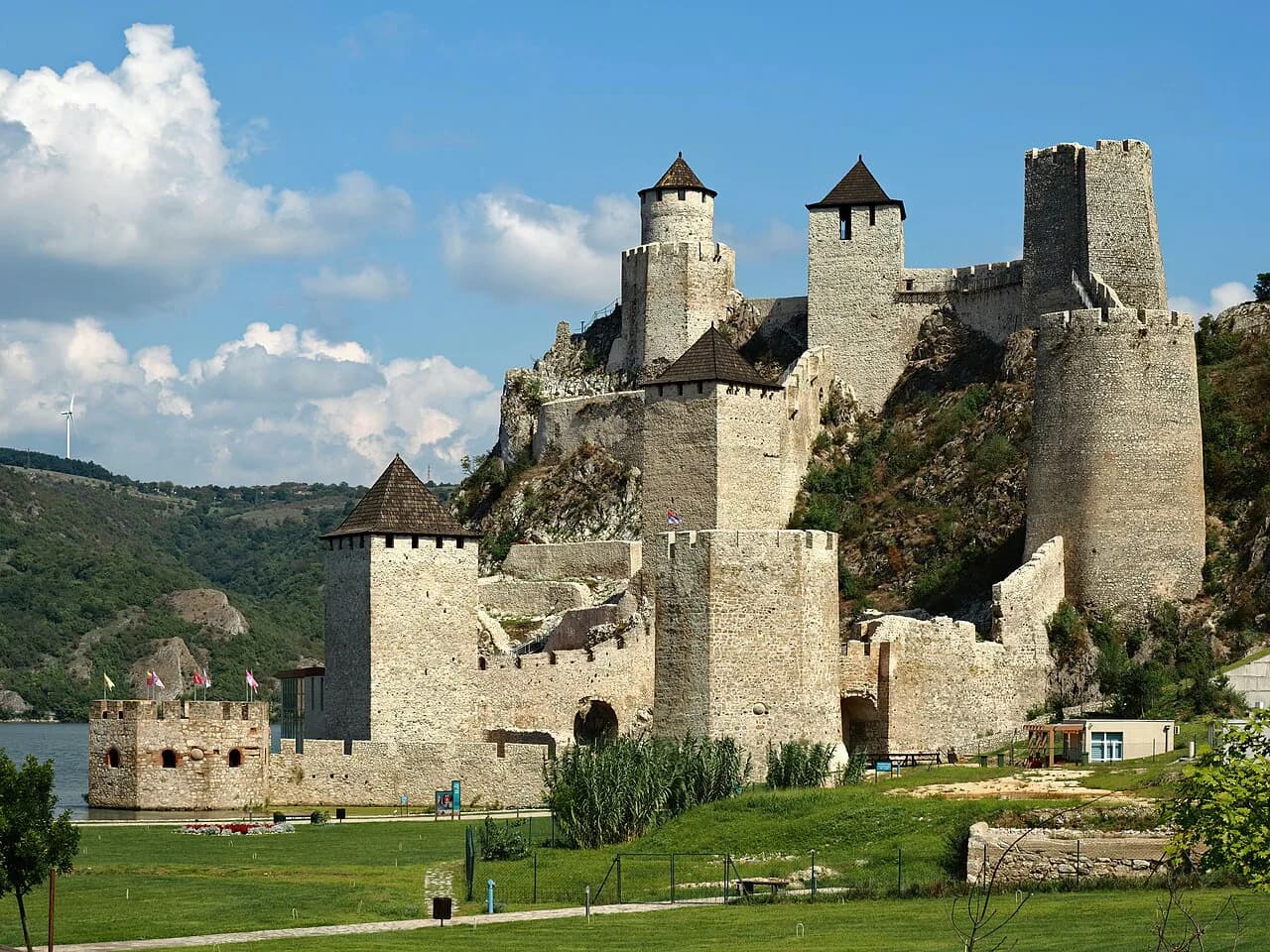
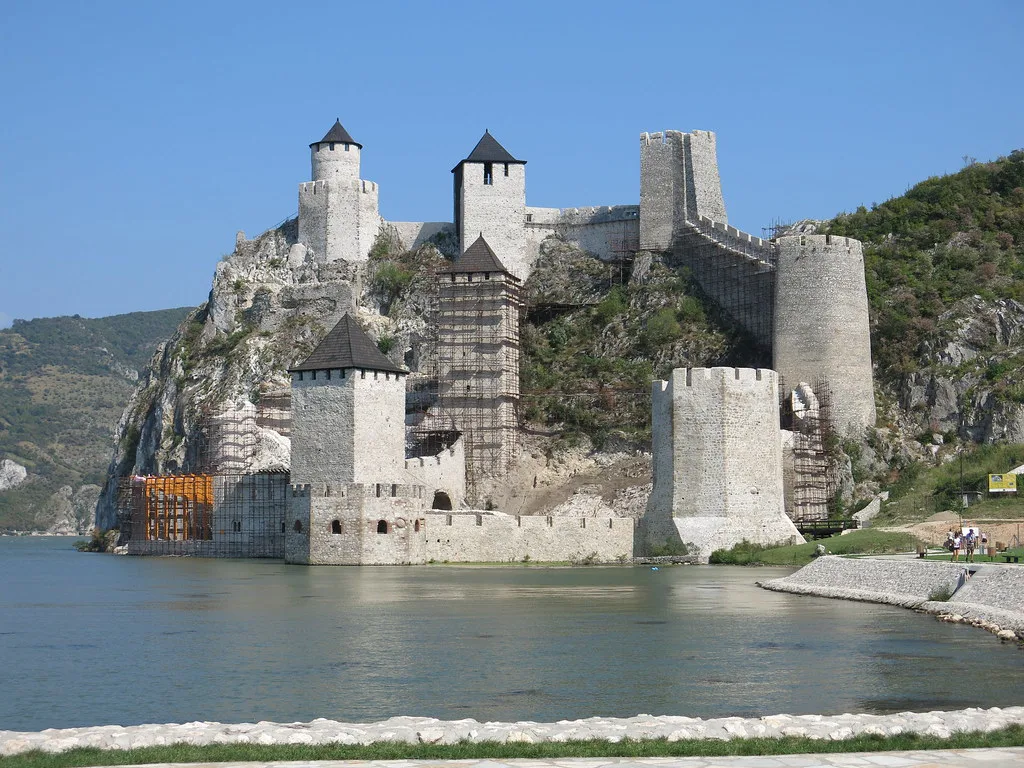
In Belgrade, Novi Sad and the main Corridor 10 highway, coverage is dense and you will rarely notice which network you are on. The gaps appear in the mountains: Tara, Zlatibor's outer villages, the Đerdap gorge and the approaches to Kopaonik all have stretches where signal fades between settlements. Download offline maps before you drive into those areas rather than relying on live navigation.
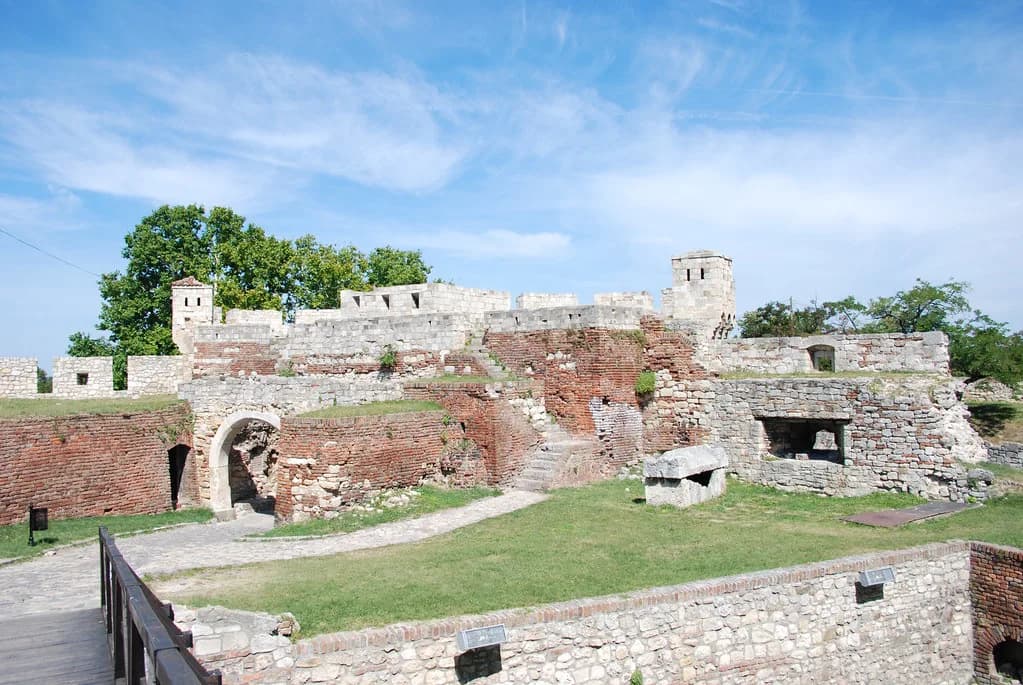
City sightseeing rarely tests a network. A walking day around Kalemegdan Fortress and Knez Mihailova is more about battery life than signal, and a short city break can survive on a modest data allowance if you use Wi-Fi in your accommodation. The plan pays for itself on the road, not on the pavement.
Using your Serbia eSIM across the Balkans
A Serbia-only plan covers Serbia and nothing else, so a route that continues to Bosnia and Herzegovina, Montenegro or North Macedonia needs either a regional plan or a new local SIM at each border. The same logic applies if you cross into Kosovo, which uses the euro and has its own operators; if that leg is on your route, check is Kosovo worth visiting before you commit to a plan that stops at the border. Build the coverage list into your route planning rather than discovering the gap at a border crossing.
Regional Europe plans are the simplest answer for a two-week loop through several countries, and a Serbia-specific plan is better value if Serbia is the whole trip. For a slow itinerary with long stays in each country, local prepaid SIMs still win on price.
Installing and activating before departure
Install the eSIM at home on a stable internet connection, label it clearly and leave it switched off until you land. Airalo advises installing whenever you like as long as you have a reliable connection, and notes that you can set it up before you reach the coverage area so it connects on arrival. That avoids dealing with QR codes in an airport arrivals hall on a weak public network.
Check that your phone is eSIM-compatible and carrier-unlocked before you buy, and keep a screenshot of the activation details somewhere you can reach offline. If you are renting a car at the airport, sort your data first so you can load the booking and directions without hunting for Wi-Fi.
What a Serbia eSIM costs
Serbia eSIM pricing is quoted in US dollars by the international sellers, which makes it easy to compare against your home plan but means the figure moves with exchange rates and promotions. Airalo's Serbia plans run from short unlimited packages to a 30-day option, while Saily advertises Serbia data plans from US$3.99 and Yesim lists Serbia eSIMs from $3.00. Those starting prices refer to the smallest fixed-data tiers, not to the unlimited packages.
Weigh the plan price against what a Serbian prepaid SIM and a few gigabytes of local data would cost, remembering that Serbia uses the dinar and that you will pay in dinars at an operator store. Our guide to money in Serbia covers how card and cash payments work in practice, which matters if you plan to top up a local SIM.
Data use on the road: maps, buses and bookings
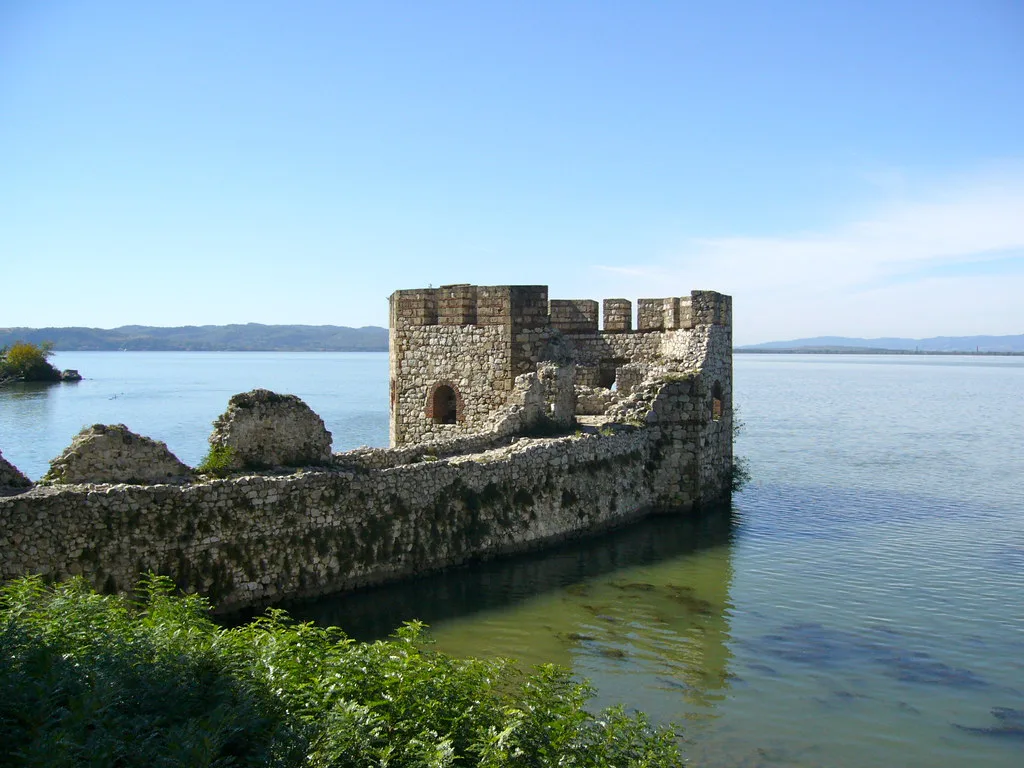
The heaviest data drain on a Serbian trip is navigation and booking apps. A driving route from Belgrade to Tara and on to the Drina valley can burn through a gigabyte in a day if you stream maps the whole way, so download the regions you need in advance and use offline mode. Bus and train tickets bought online are light on data but need a connection at the right moment.
Photographs and video calls are what actually exhaust a plan. If you plan to upload as you travel, choose a larger fixed-data package or an unlimited plan and accept the speed management that comes with it. If you mostly need maps and messages, the smallest tier is often enough.
Common mistakes with Serbia eSIMs
The most frequent error is assuming an EU plan covers Serbia because the trip starts in the EU. The second is buying a Serbia-only eSIM for a route that continues into Bosnia and Herzegovina or Montenegro, then discovering the gap at the border. The third is installing the eSIM at the airport on arrival Wi-Fi and losing the connection halfway through activation.
A quieter mistake is leaving your home SIM as the data line, which can trigger roaming charges while the eSIM sits idle. Set the eSIM as the data line before you leave and switch off data roaming on your home number.
Who should buy one, and who should not
Buy a Serbia eSIM if you are on a short city break in Belgrade or Novi Sad, arriving on a late flight, or touring several Balkan countries in one trip and want one plan to cover the route. A regional Europe eSIM is the cleanest choice for a multi-country itinerary.
Skip it if you are staying a month or more, need a Serbian phone number, or will spend most of your time in remote mountain areas where you would rather have a local operator's own SIM and shop support. Families with several devices should also compare the cost of one local SIM with a hotspot against four separate eSIM plans.
Plan Your Visit
For most travelers the answer is a data-only Serbia eSIM installed before departure, backed by a home SIM kept active for calls. If your route crosses into the EU or neighbouring Balkan countries, step up to a regional Europe plan and check that Serbia appears in its destination list.
Sort the data question alongside the rest of the trip: how long you are staying, whether you are driving, and how much you will rely on your phone for maps and bookings. Get those settled and the eSIM decision takes about five minutes.
Explore more Serbia trip-decision guides
Frequently Asked Questions
Does EU roaming work in Serbia?
No. EU roaming rules apply within the European Union, and Serbia is not a member state, so your home plan's EU allowance does not carry over the border. If your trip continues into Hungary, Croatia, Bulgaria or Slovenia, a regional Europe eSIM that lists Serbia among its covered destinations is the practical workaround.
Which eSIM is best for Serbia?
Airalo, Saily and Yesim all sell Serbia plans, and Airalo lists A1 as the primary network for its Serbia packages. Choose on the network named, the data allowance you actually need and whether the plan is data-only or includes a number. Compare the smallest fixed-data tier against an unlimited package, since the headline starting price is not what you will necessarily pay.
Can I get a Serbian SIM card as a tourist?
Yes, prepaid SIMs are sold by the main operators, and you should expect to show ID and have the card registered before it works. The trade-off is a shop visit and a chunk of your first afternoon against a local number and a rate that often beats travel eSIMs on longer stays.
Do I need a phone number with my Serbia eSIM?
Most travel eSIMs are data-only, which is enough for maps, tickets and messaging apps. Keep your home SIM active for calls and verification codes if you need them, and check that your phone supports two active lines. A Serbian number matters mainly for longer stays or for calling local guesthouses and services.
Does a Serbia eSIM work across the Balkans?
A Serbia-only plan covers Serbia and stops at the border. For a route into Bosnia and Herzegovina, Montenegro or North Macedonia, buy a regional Europe plan that lists every country on your route, or pick up a local SIM in each country. Check the destination list against your itinerary before you buy.
Can I install a Serbia eSIM before I fly?
Yes. Install it at home on a stable connection, label it clearly and leave it switched off until you land. Airalo notes that you can set up the eSIM before you reach the coverage area so it connects on arrival, which avoids activating it on weak airport Wi-Fi.
Is unlimited data on a Serbia eSIM really unlimited?
Unlimited travel plans usually come with a daily allowance and speed management after a threshold rather than a hard cut-off. If you plan to work remotely or upload a lot of video, a fixed-data package with a clear allowance or a local prepaid SIM is the more predictable option.
Sources
Trip-decision notes
Optional updates when we publish or revise a destination verdict.
You might also like
Continue reading
More guides you'll find useful