Is Moldova Worth Visiting? Wine & History Travel Guide
Moldova is worth visiting for its vast wine cellars, Soviet-era history and Transnistria. It is not a trip for big-city sights or dramatic nature.
On this page
Moldova is worth visiting if you want underground wine cellars, a heavy layer of Soviet history and a look at Transnistria, the self-proclaimed republic on its eastern edge. It is not worth a trip if you are chasing grand architecture, big-city sightseeing or mountain scenery. The country between Romania and Ukraine is small, agricultural and lightly toured, so the decision hinges on whether those two themes excite you.
The verdict
Come for wine and recent history; skip it for a conventional city break or a nature holiday. That split is the honest answer, and it holds up against what the country actually contains. Chisinau, the capital, holds surprisingly few sights for a city of more than 600,000 people, and travelers who expect Prague-style old quarters will be underwhelmed. The reward sits outside the capital: Moldova's wine industry and the frozen-conflict landscape of Transnistria.
Moldova is a compact country, so you can cover its highlights without long transfers. The trouble is that the highlights are concentrated, and a day spent in the capital can feel thin unless you use it as a base for excursions. Plan the trip around two or three anchor experiences and treat Chisinau as a launchpad rather than a destination in itself.
Who will love Moldova and who should go elsewhere
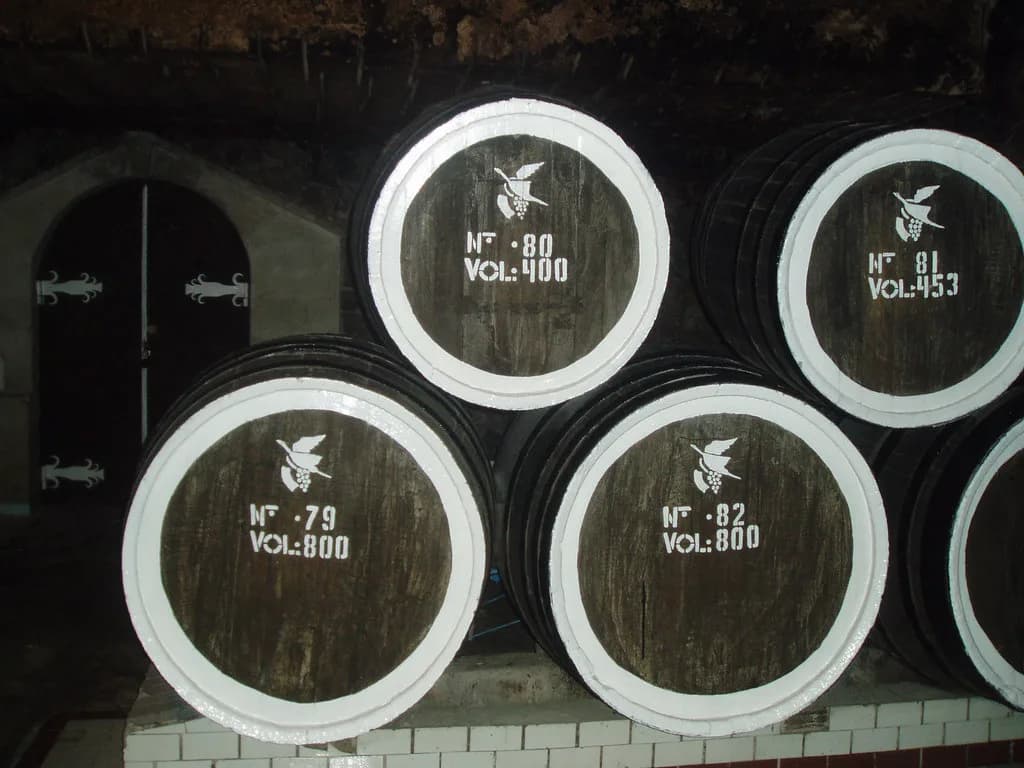
Wine travelers will find a serious reason to come. Moldova's winemaking goes back millennia, it supplied most of the Soviet Union's wine, and its producers now aim at international markets. The underground galleries at Cricova and Milestii Mici are treated as national landmarks, and Château Purcari has been producing wine since 1827. If your idea of a good day involves a long tasting in a cellar, this is your country.
History travelers drawn to the Soviet period and to frozen conflicts will also get their money's worth. Transnistria keeps its own currency, flag, constitution and presidency, and its capital still wears Soviet symbols openly. Travelers who want that experience describe Tiraspol as a small, quiet town that feels like an open-air museum of the USSR.
Choose elsewhere if you want dramatic nature, a beach or a dense sightseeing city. Moldova's appeal is not scenic, and its capital will not carry a trip on its own. Travelers who found Georgia rich in landscapes and sights often describe Moldova as a step down in scenery, so budget your time in the region accordingly.
Chisinau: a capital with a heavy Soviet layer
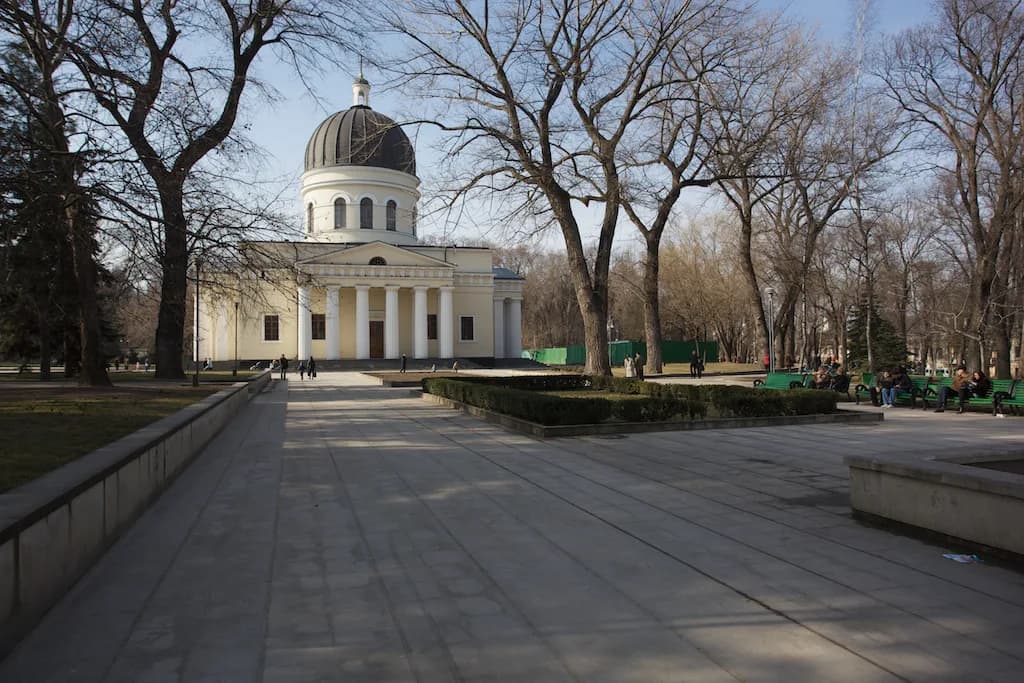
Chisinau is worth a day, not three. The Nasterea Domnului Cathedral sits in one of the nicer parts of the center, and the central market keeps its Soviet-era layout with Russian signage and Russian restaurants around it. The flea market by the train station spreads around the block with Soviet memorabilia, wool clothing and general bric-a-brac, which makes for a genuinely local hour or two.
The city's Soviet-era texture is part of the draw for some visitors and a drawback for others. Older hotels near the station retain that atmosphere down to the carpets and lighting, which is atmospheric if you are curious and grim if you are not. Treat Chisinau as a place to eat, sleep and organize excursions rather than a place to fill a sightseeing schedule.
The wine cellars: Milestii Mici, Cricova, Purcari and Castel Mimi
Milestii Mici is the headline act, with 55 kilometers of tunnels and around two million bottles stored underground. The distances inside are so large that you drive through the cellar by car rather than walk it, which shapes how you visit and why a tour with transport matters. The sheer scale is what people remember, more than any single bottle.
Cricova is the other underground name, home to a vast collection and known for its sparkling wines, including a dry red sparkling Pinot Noir that visitors single out. Purcari and Castel Mimi sit above ground and offer a different day: architecture, gardens, restaurants and tastings rather than tunnel driving. Combining one underground cellar with one estate winery gives you both sides of Moldovan wine in a single trip.
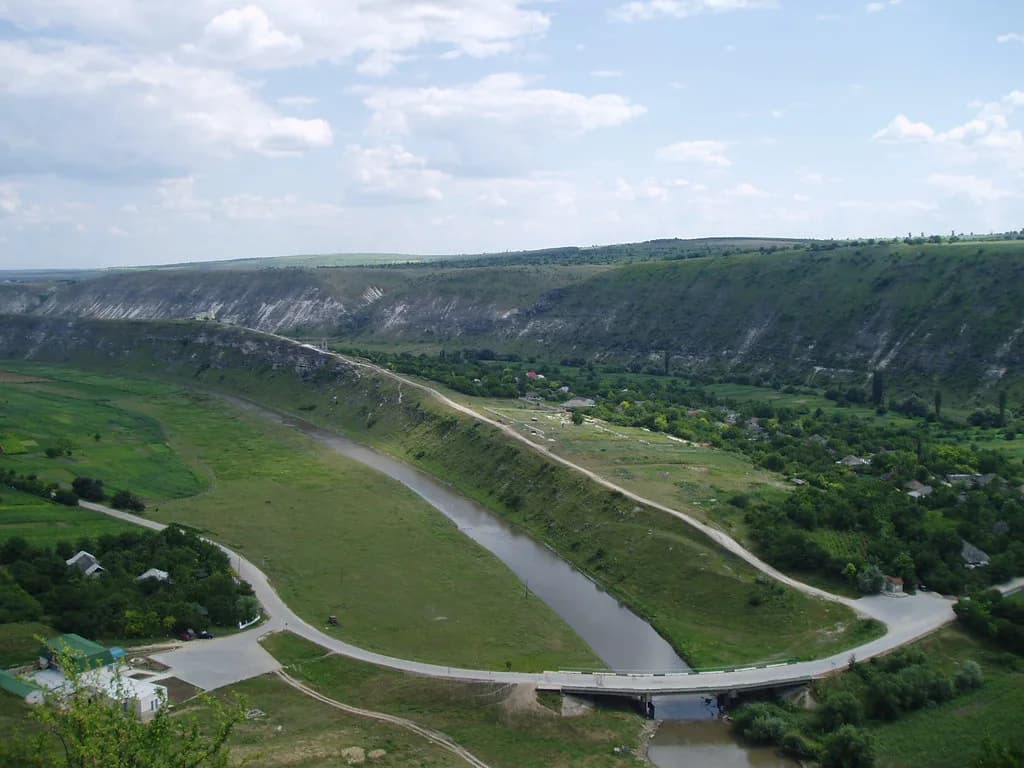
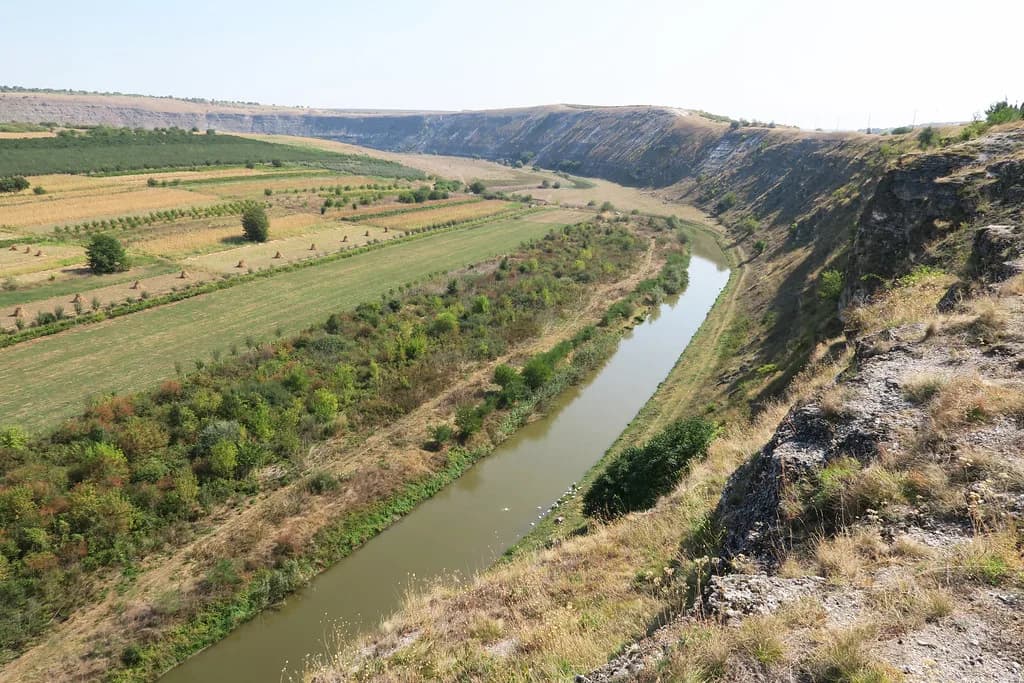
Book cellar tours ahead rather than turning up, since groups run on fixed slots and the car-based routes need organizing. Tasting fees, tour lengths and opening days vary by winery, so confirm the details with the winery you pick before you build a day around it. Outside the cellars, the country is agricultural: rolling plains, villages and vineyards rather than set-piece scenery.
Transnistria and Tiraspol: a state within a state
Transnistria is a self-proclaimed republic with its own government, currency and army, recognized by no UN member state, and it remains the biggest question mark over Moldova's stability. Reaching Tiraspol from Chisinau means crossing a controlled boundary where soldiers in Transnistrian and Russian uniforms stand watch. Visitors change Moldovan lei into Transnistrian rubles and pass through customs and immigration control with their passports.
Tiraspol itself is small and quiet, and the Soviet symbols are everywhere: flags, coats of arms and the House of Soviets. On the road from Chisinau you pass Bender and the Sheriff Stadium, a reminder that one conglomerate dominates local supermarkets, fuel stations and the football club. The atmosphere is more rigid than elsewhere in Moldova, and visitors are advised to be discreet with cameras around police.
The border formalities for Transnistria are a moving target, and procedures can vary at the crossing. Follow the instructions given at the crossing on the day and keep the paper slip you are issued. One traveler entering via Bender was given a slip requiring departure by 7 p.m. Check the current entry position with your own government's travel page before setting out.
Beyond the capital: Orheiul Vechi, Soroca and rural Moldova
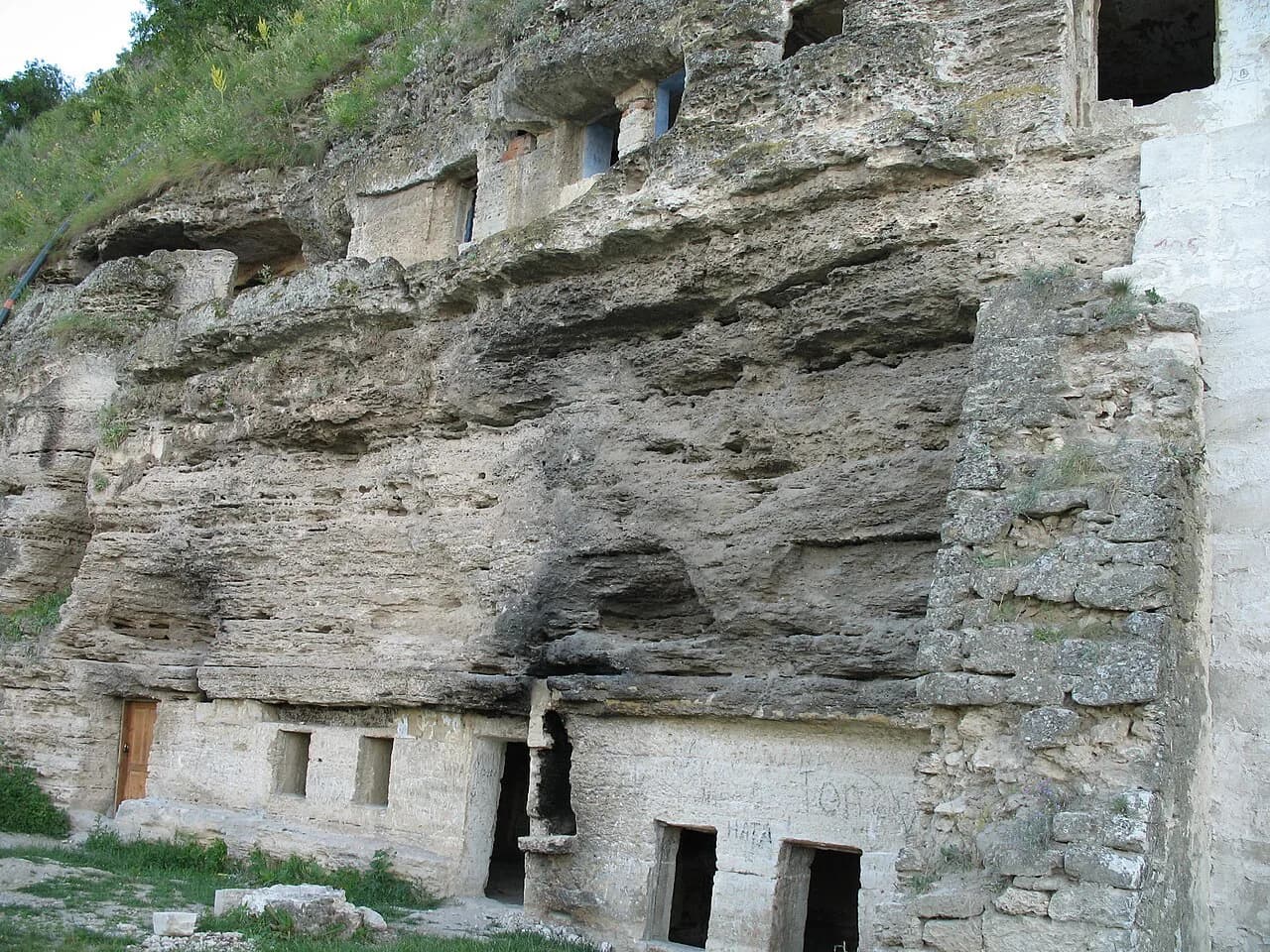
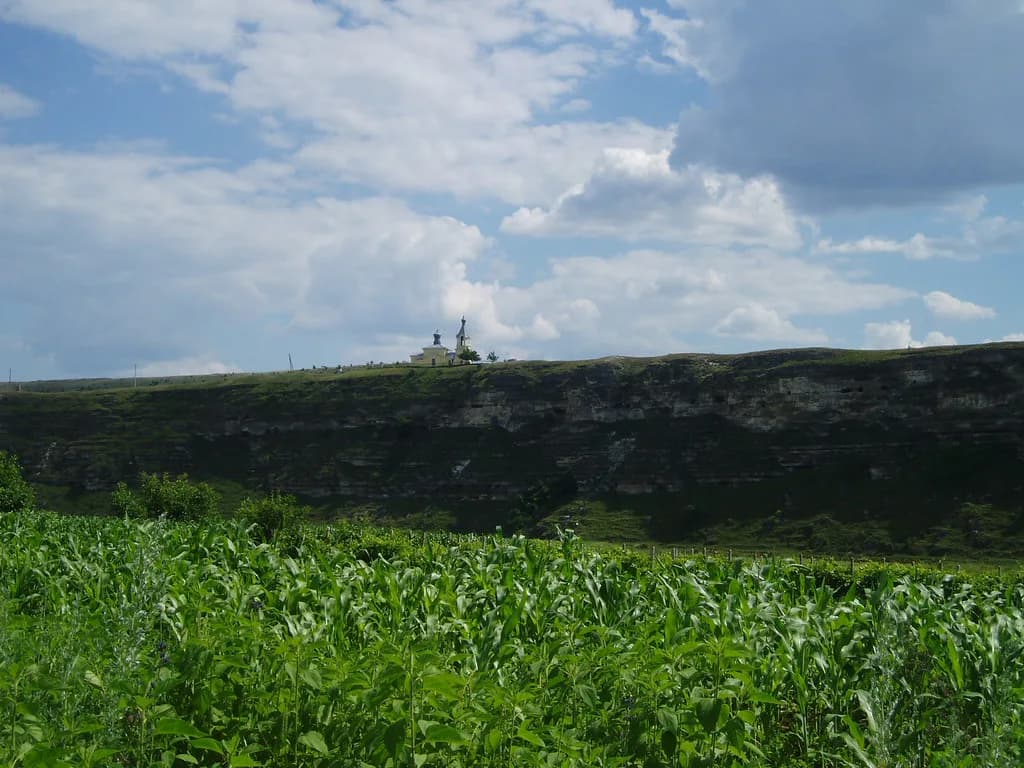
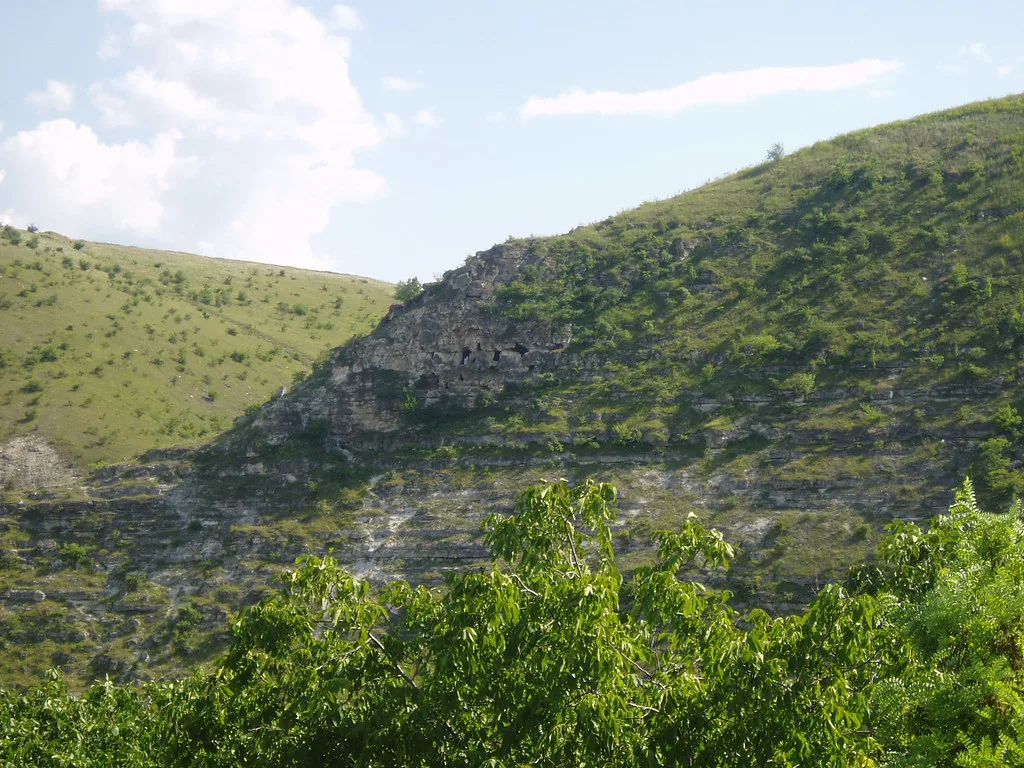
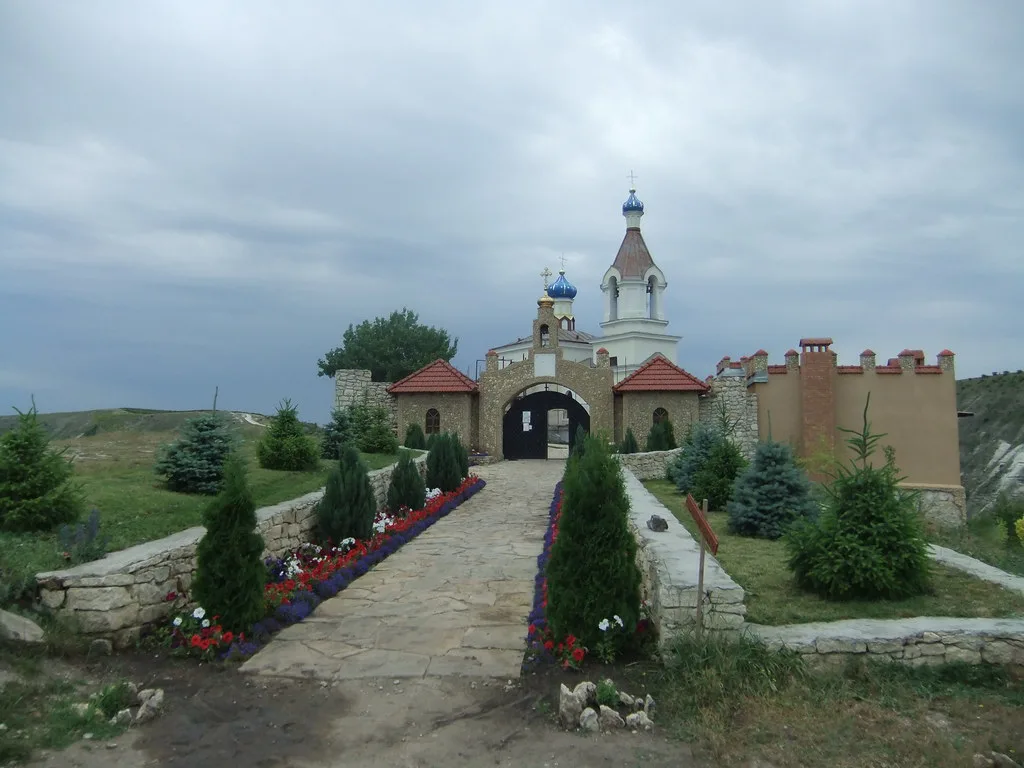
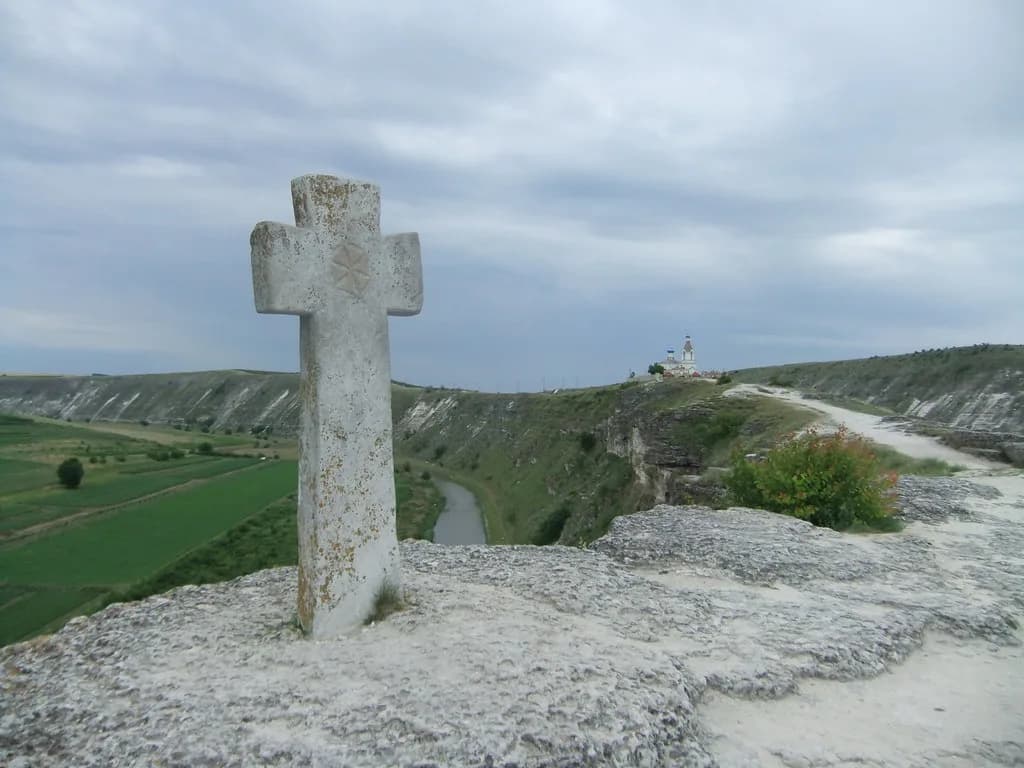
Old Orhei, known as Orheiul Vechi, is the established archaeological and monastery site outside the capital and the most convincing single day trip from Chisinau. Soroca, up on the Dniester near the Ukrainian border, is the other established stop, with a fortress town and Romani communities in the surrounding villages. Both reward a slow day rather than a hurried photo stop.
Rural Moldova is where the hospitality reputation is earned. Visitors to families near Soroca describe tables loaded with food, homemade bread and whiskey regardless of the hour, and that custom of feeding whoever walks through the door is the strongest argument for getting out of the capital. Roads are improving, and new construction has made driving easier than it once was, but allow more time than the distances suggest.
Drawbacks: thin infrastructure, unsmiling service, patchy roads
Service can feel cold before it feels warm. Travelers describe conductors who watch you struggle with luggage without stepping in, doors that are not held, and a general absence of smiles, which reads as unfriendliness until you adjust. The same people often help generously once contact is made, so calibrate expectations rather than taking it personally.
Infrastructure is the bigger practical constraint. Outside the main routes, roads are patchy, tourist information is thin, and English is less widespread than in neighboring Romania. You will get more out of the country with a car and driver or a rented vehicle than with public transport alone, especially for the wineries and Orheiul Vechi.
How many days you need
Five days covers the highlights: Chisinau, one or two wine cellars, Orheiul Vechi and a day in Transnistria. A week lets you add Soroca and the north, plus a second winery without rushing between them. Anything shorter than four days and you are paying the travel cost for a thin slice of the country.
When to go: seasons at a glance
Summer is the busiest and easiest season, with long days and the vineyards at their greenest. Travelers who visited in August found other foreigners around, mostly backpackers and volunteer workers, but nothing like the crowds of better-known European destinations. Spring and autumn suit wine visits and walking, and the October wine festival draws enthusiasts from abroad; confirm the dates with the organizers each year.
Published climate normals will give you the reliable monthly temperature picture, and they are worth reading before you commit to a winter or high-summer date. The country is continental, so summers run hot and winters run cold, and the wine cellars stay cool year-round regardless. Use normals rather than any forecast when you pick your month.
Typical costs and money
Moldova is a low-cost country by Western European standards, and that is one of the reasons budget travelers gravitate toward it. The currency is the Moldovan leu, and Transnistria issues its own ruble, so you will handle two currencies if you cross east. Change money in Chisinau and keep small notes for markets and rural stops; our guide to money in Moldova covers the practical side.
Wine tourism is where costs concentrate. Cellar tours and tastings are priced per person and per package, and estate visits with a meal sit at the top of the range. Get the current fee from the winery when you book, since packages and inclusions differ and quoted figures go stale. If you want the wider budget picture, the question of whether Moldova is cheap has a detailed answer.
Getting there and getting around
Chisinau is reached by air and by rail, including a long train from Bucharest that takes around 15 hours. Overland travelers also pass through Ukraine, and the capital's airport handles the bulk of arrivals. Book the Bucharest train as a journey in its own right rather than a quick hop, and expect a slow, Soviet-era pace.
Within the country, road transport is the practical choice. Hiring a car and driver for wine days and for Transnistria removes the friction of patchy rural bus schedules, and new roads have made self-driving easier than it used to be. Distances are short on the map but slow on the ground, so plan two anchor stops a day at most.
Moldova vs the rest of the region
Against Romania, Moldova loses on architecture, mountain scenery and tourist infrastructure, but wins on price, on the sheer scale of its cellars and on the strangeness of Transnistria. Romania gives you Transylvania, the Carpathians and painted monasteries; Moldova gives you tunnels, Soviet leftovers and a border you will remember. The trade-off is comfort versus novelty, and it is worth lining up the two side by side in our Moldova vs Romania comparison. If the Romanian side of that trade-off appeals, read whether Romania is worth visiting before you finalise the route.
Against Georgia, Moldova comes up short on landscapes and food culture, though both share a Soviet layer and a wine tradition. Travelers coming from Georgia often find Moldova underwhelming on scenery but more concentrated on recent history. If you have one trip in the region, Georgia is the safer all-rounder; if you have already done it, Moldova is the more unusual second act.
The verdict, repeated
Go to Moldova if underground wine cellars, Soviet-era streetscapes and a self-proclaimed republic sound like a good week. Skip it if you want a polished city break or dramatic nature, and put your time into Romania or Georgia instead. Book cellar visits ahead, allow five days to a week, and carry lei for the capital and rubles for Tiraspol.
For a wider shortlist of stops, our guide to the best places to visit in Moldova ranks the anchors worth building a route around. Travelers weighing the region should read the Romania comparison before committing, because the two countries are usually visited together and the contrast is the point.
Explore more Moldova trip-decision guides
Frequently Asked Questions
Is Moldova worth visiting?
Yes, for wine and recent history. Its underground cellars at Milestii Mici and Cricova, the estate wineries, and Transnistria give it a distinctive identity that no other European country matches. It is not worth a trip for big-city sightseeing or mountain scenery, so be honest about which of those you want.
Is Chisinau worth visiting?
For a day, as a base. The Nasterea Domnului Cathedral area, the central market and the flea market by the train station give you a sense of the city's Soviet layer, but the sightseeing list is short for a capital of its size. Most travelers get more from the excursions out of town.
How many days do you need in Moldova?
Five days covers the highlights: Chisinau, one or two wine cellars, Orheiul Vechi and Transnistria. A week adds Soroca and a second estate winery without rushing. Fewer than four days and the travel time eats the payoff.
Is Transnistria worth visiting?
Yes, if a frozen-conflict state with its own currency, flag and Soviet streetscape interests you. Tiraspol is small and quiet rather than thrilling, and the atmosphere is more rigid than in the rest of Moldova. Treat the border formalities as something to handle on the day.
Is Moldova expensive?
No, by Western European standards it is a low-cost country. The main variable cost is wine tourism, where tastings and estate meals are priced per person and per package. Ask each winery for the current fee when you book, because packages differ.
When is the best time to visit Moldova?
Summer for long days and green vineyards, spring and autumn for wine visits and walking. October brings a wine festival that draws international visitors, and the dates change each year. Check published climate normals for the monthly temperature picture before you choose.
Is Moldova in the EU?
No. Moldova is not a member of the European Union and does not use the euro. The currency is the Moldovan leu, and Transnistria uses its own ruble. Entry rules depend on your nationality, so check your own government's travel page.
Do I need a car in Moldova?
A car and driver makes the wine cellars and Transnistria far easier, since rural transport is thin and some cellars are toured by vehicle. Chisinau itself is manageable on foot and by taxi. If you self-drive, allow more time than the distances suggest.
Sources
Trip-decision notes
Optional updates when we publish or revise a destination verdict.
You might also like
Continue reading
More guides you'll find useful