Is Latvia Worth Visiting? A Candid Verdict for Baltic Travel
Latvia is worth visiting for Riga's Old Town, Gauja National Park and a quiet Baltic coast. Here is who it suits, who should skip it and what to budget.
On this page
Yes, Latvia is worth visiting, provided you want a compact, affordable Baltic country built around one strong capital and a lot of forest rather than a sun-and-sea resort week. Riga delivers the architecture and the food, while Gauja National Park and the coast fill the days beyond it. Travelers hoping for warm-water beaches, dense sight-to-sight itineraries or a fast rail web across the country should put their week elsewhere.
The verdict
Latvia rewards travelers who like northern cities, bogs, pine forest and a coastline that stays quiet in summer. It is a small country, almost everything sits within driving distance of Riga, and that makes a short trip easy to assemble without long transfers. It disappoints anyone whose idea of a Baltic holiday is sunbathing from a resort strip or hopping between big sights by frequent trains.
The strongest case is a three- or four-day core of Riga plus Sigulda and Gauja, extended to a week if you add the coast or Latgale. Winter is a real second season here, with cross-country tracks, sledding, spa towns and colder, cheaper conditions rather than guaranteed deep snow. Weigh the season against what you want to do and the decision gets simple.
Who will love it
City-break travelers get the most from Riga's Old Town, its Art Nouveau streets and the Central Market, which together justify one full day plus an evening. Nature-minded travelers find the bigger payoff outside the capital, where bog boardwalks, river valleys and the long sandy beach at Jūrmala sit close enough for a day trip.
Budget travelers do well because Latvia is affordable for Western European standards, and travelers building a Baltic loop of two or three countries get an easy middle stop between Estonia and Lithuania. The practical picture on whether Latvia is expensive helps you sanity-check daily spending before you book.
Anyone wanting quiet will find it. The country's own tourism board points travelers to lesser-known corners such as the Curonian Viking settlement at Grobiņa, the promenade at Pāvilosta and the deer garden at Mežsetas in Latgale. These are modest, specific attractions rather than headline monuments, and that is exactly the appeal.
Who should choose somewhere else
Sun-and-sea holidaymakers should look at southern Europe instead. Latvia's Baltic coast is beautiful and largely uncrowded, but the swimming season is short and the water stays bracing, so a beach-led week is a gamble on weather rather than a reliable plan.
Travelers who want a packed sight-to-sight itinerary or a dense rail network will feel the gaps. Outside Riga, buses do most of the work and rural timetables are thin, so a car earns its keep; skip Latvia if you refuse to drive or plan around sparse connections.
Anyone needing long daylight and warm evenings should avoid the dark months. Latvia sits far enough north that winter days close in early, and the snow cover that makes the countryside magical is never guaranteed.
What Latvia actually is
Latvia is a small, flat country on the Baltic with four distinct seasons, a hot summer, a golden autumn and a cold winter. The sea, the forest and the larger towns all sit within driving distance of the capital, which is why Riga dominates any first trip. That compactness is its main practical advantage: you spend time in places rather than in transit.
The national tourism board frames winter as a real season rather than a closed one, with nature trails, spa time and indoor culture filling the short days. Cross-country tracks run in and around Riga, and the bobsleigh and luge track at Sigulda gives the winter sports crowd something to aim at, along with ski hills and snowboard parks.
Riga: the core of the trip
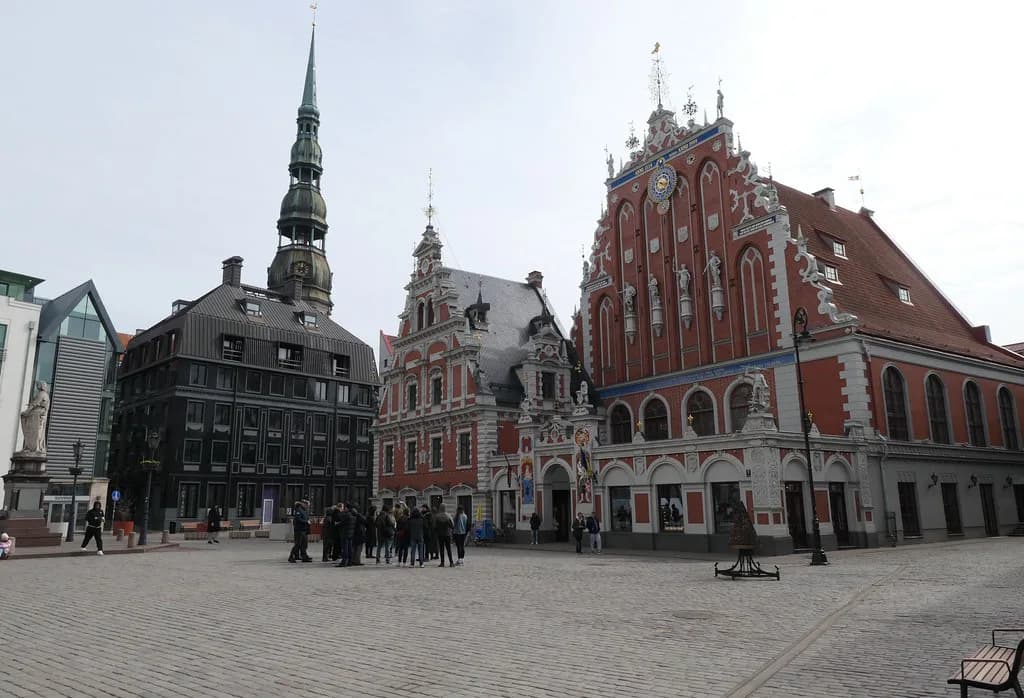
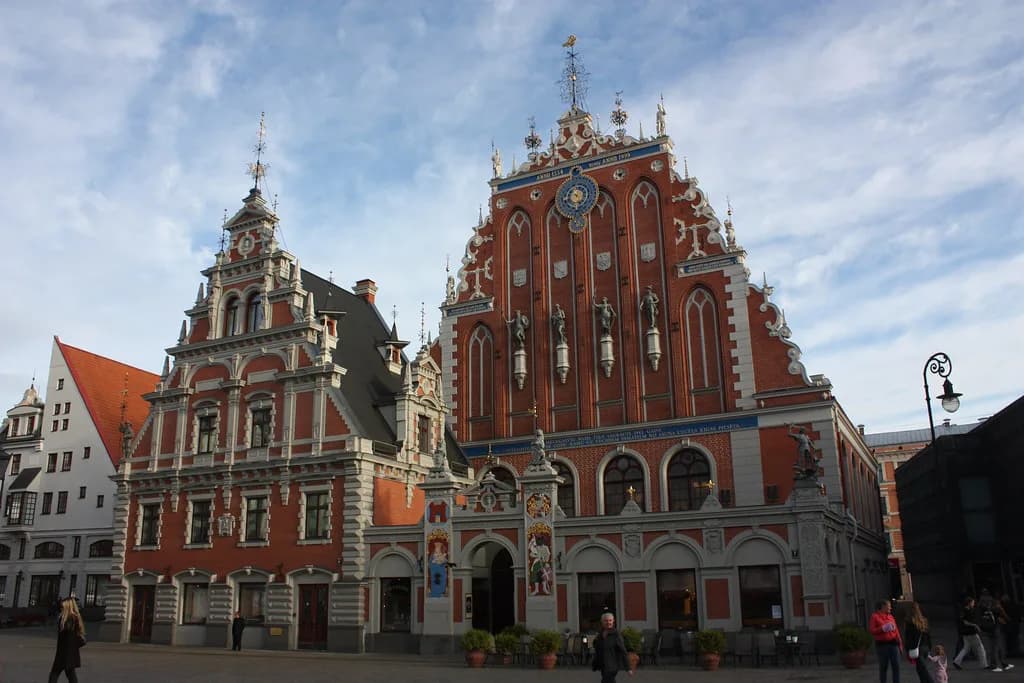
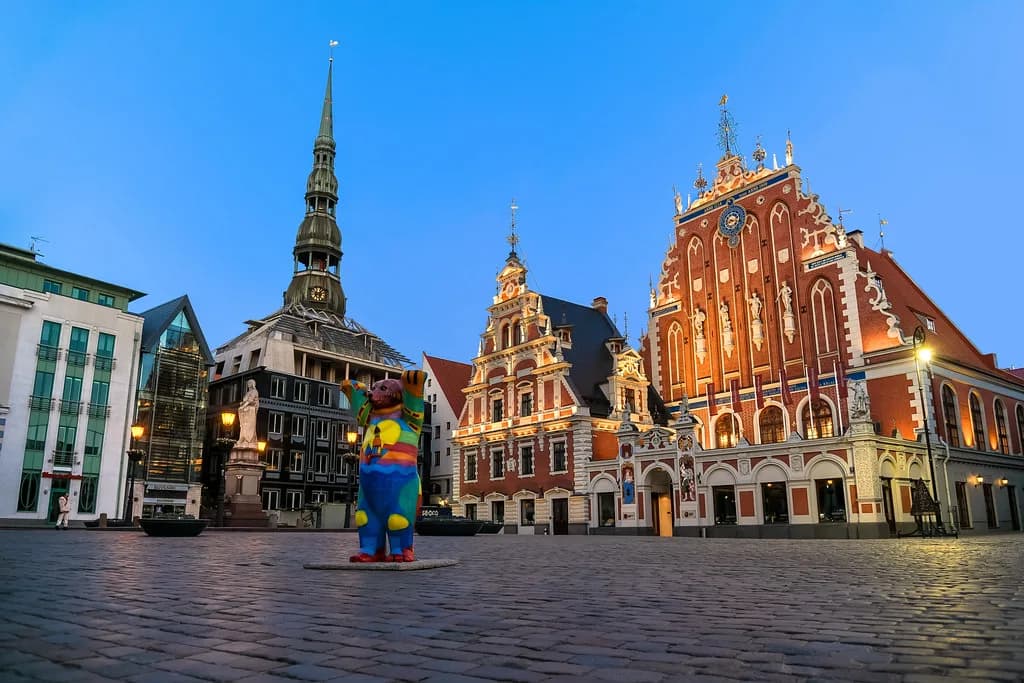
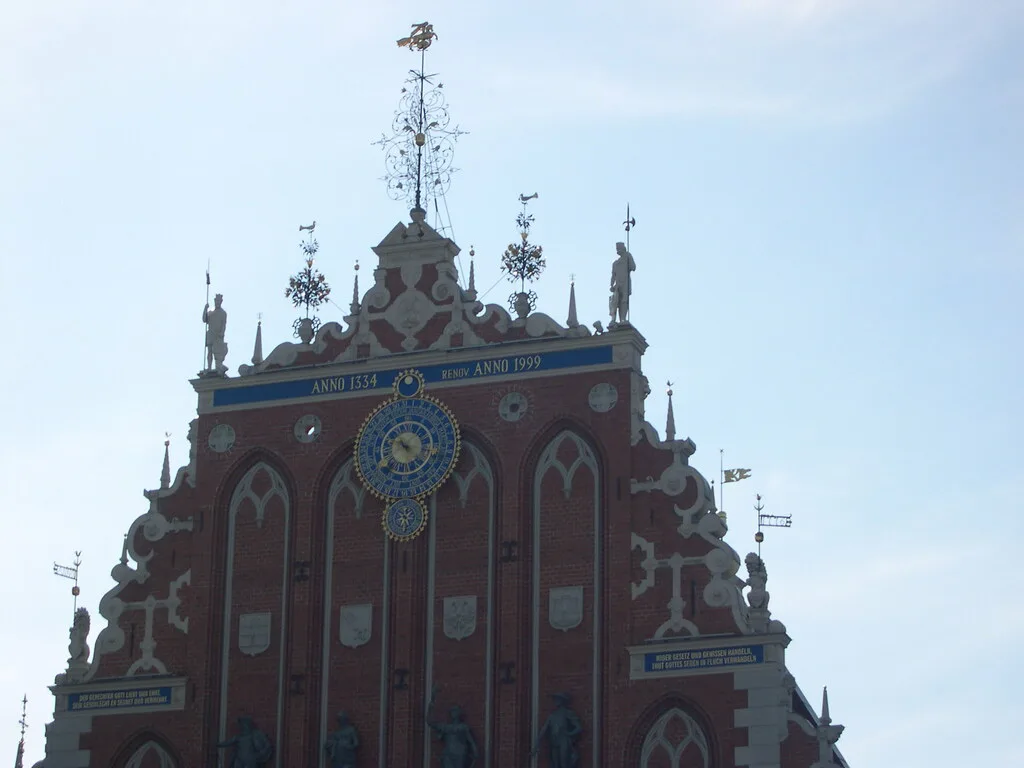
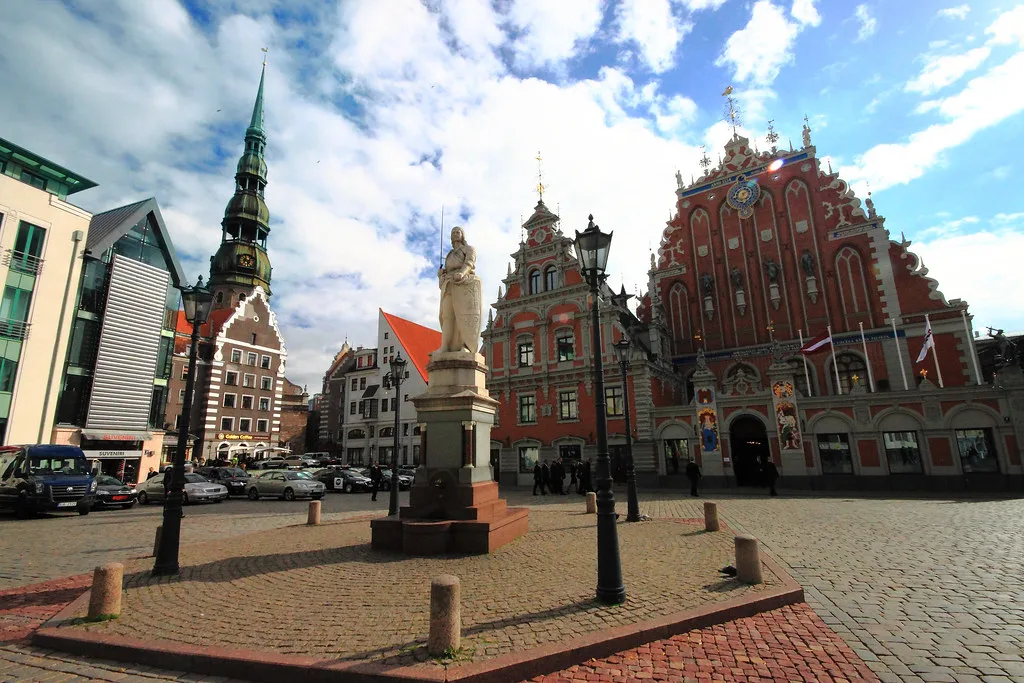
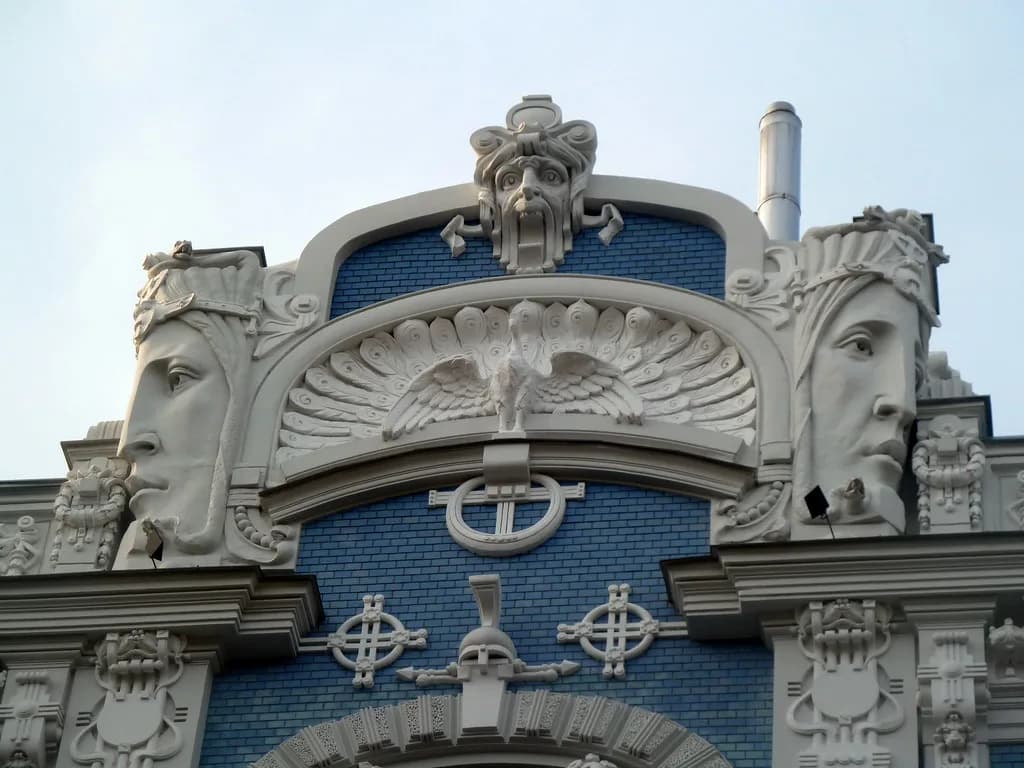
Riga's Old Town is compact and walkable, centred on Dome Square, where the city's traditional Christmas market gathers artisans from across the country each December. The architecture is the real draw, with the Art Nouveau district north of the centre the standout for anyone who cares about buildings. One full day plus an evening is the realistic minimum, and a second day makes it unhurried.
The Central Market adds a morning of wandering and cheap eating, and the city supports a strong run of opera, ballet, theatre and concerts once the autumn season opens. Riga Old Town and the market sit close enough to cover on foot, which keeps the capital cheap to explore.
Beyond Riga: Gauja, Jūrmala and the coast
Gauja National Park and the town of Sigulda form the best day trip from Riga: river valley trails, castles and forest, with hills steep enough to be tricky underfoot in winter. Add the bobsleigh track and the surrounding slopes and you have a full day out without leaving the region.
Jūrmala is the largest resort in the Baltics and sits within easy reach of Riga, with a long sandy beach and spa hotels that go quieter and cheaper in the shoulder season. For a coast that stays genuinely empty, look further west to Kurzeme and Pāvilosta, where fishing boats and yachts fill the port and a new promenade gives you the sunset walk.
Latgale in the east is lake country, quieter and less polished, with places like the dolomite quarry at Pertnieki and Zilaiskalns in Vidzeme offering an old, unhurried side of the country. These are small, low-key stops, so string them together rather than treating any single one as a destination.
The drawbacks, stated plainly
Winter daylight is the big one: days are short, snow cover is unpredictable, and a cold snap can push temperatures as low as -30°C (-22°F). That breadth is real, but so is the variation, so pack for cold rather than for guaranteed snow.
The rail network is thin and buses run the countryside on limited rural timetables, which makes a car the practical fix if you want the coast or the parks. English is widespread in Riga but thinner in rural areas, so a little preparation helps on the ground.
Peak summer concentrates visitors in Riga and Jūrmala rather than blanketing the whole country, so the crowds are manageable if you step one town away from the capital. The trade-off is that summer is short, and warm, dry days are not something you can count on for a fixed date.
Weather by month
Latvia has a temperate climate with four clear seasons: hot summers, golden autumns, cold winters and a spring when the country wakes up. Summer days are long and mild, while winter can bring anything from a mild grey spell to deep cold and frozen rivers and lakes. Treat these as typical conditions rather than forecasts, because the country's own tourism board says the timing of snow is never really predictable.
Late spring and early summer are the safest bet for walking and for the coast, with greenery and long evenings, while August holds the warmest sea but also the busiest weeks in Jūrmala. If you want the bog trails and Gauja at their best, aim for the warmer half of the year. Our guide to the best time to visit Latvia breaks the months down further.
How many days you need
A Riga-only long weekend of two or three nights covers the Old Town, the Art Nouveau district and the market without rushing. Add a day for Gauja and Sigulda and you have a comfortable four days. Stretch to a week and you can include Jūrmala and either the Kurzeme coast or Latgale's lakes.
A seven- to ten-day trip suits most travelers who want Riga, coastal spots and a rural park without racing. Anything shorter forces a choice between the capital and the countryside, and with a sparse rail network that choice comes down to whether you have a car.
Typical costs
Latvia is affordable by Western European standards, with several comparison sources putting mid-range daily budgets well below those of Germany or Scandinavia. Accommodation and food in Riga cost less than in most EU capitals, and prices fall outside the centre and outside summer. For a full breakdown of daily spending, Is Latvia Expensive? A Candid Guide to What a Trip Costs walks through the line items.
A rental car is the main optional cost, and comparison sites list Riga rentals from a few euros per day for the smallest cars, with larger vehicles and automatic gearboxes costing more. Those figures are indicative and vary by season, so price your dates before you commit. Our guide to renting a car in Latvia covers the practical side.
Latvia uses the euro, which simplifies budgeting for anyone arriving from the eurozone or from neighboring Lithuania and Estonia. Cards are widely accepted in cities, but carry some cash for rural stops and small markets.
Getting there and getting around
Riga International Airport is the main gateway, with direct flights from across Europe and a short transfer into the city. From the airport, the capital is the obvious first stop, and the compact layout makes onward planning simple.
Buses connect the major towns reliably and are the practical way to get between cities, while the rail network is limited to a handful of routes. To reach Gauja, Sigulda, the Kurzeme coast or Latgale's lakes, a car is the difference between a full day and a frustrating one.
If you do drive, renting at the airport or in central Riga is straightforward, and local transport sharing services help fill gaps in the city. Latvian roads are generally easy, but rural routes and winter conditions need more care.
Latvia or Lithuania
Latvia is the larger, more varied country with Riga's urban scene, Gauja National Park and a long coast; Lithuania is smaller and more compact, with Vilnius's walkable old town and easy day trips to Trakai. If you want rural variety and a bigger capital, Latvia wins; if you want the tightest, most manageable city break, Lithuania is easier, and you can read our separate verdict on whether Lithuania is worth visiting.
Costs are close, with Lithuania often slightly cheaper on food and accommodation, while Latvia's tourist infrastructure handles larger groups well. Our comparison of the two lays out the trade-offs side by side.
Verdict by traveler type
Book Latvia if you want a manageable capital with strong architecture, a long quiet coast and a national park within an hour of the city. Ideal for city-break travelers, walkers and anyone assembling a Baltic loop.
Shorten the trip or substitute another country if you want sun-and-sea weeks, dense itineraries or frequent trains between sights. For a slower, greener trip, Latvia in May and Latvia in June show the country at its best.
If you want a northern winter with real cold and outdoor activities, come between December and March and build in a spa day and a bog walk. Our pick of the best places to visit in Latvia shows how to string the highlights together.
Plan Your Visit
Latvia is worth visiting for Riga, Gauja National Park and the empty Kurzeme coast, and it earns that verdict on affordability, quiet and a compact layout that saves you time in transit. It is not a beach-and-sun destination, and its thin rail network makes a car or a bus plan essential.
Book a three- to four-day core of Riga and Sigulda, stretch to a week if you want the coast, and go in late spring or summer for warm days and long evenings. For a full cost picture before you commit, Is Latvia Expensive? What a Trip to Riga Really Costs breaks down what you will actually spend.
Explore more Latvia trip-decision guides
- Latvia vs Lithuania
- Best Places to Visit in Latvia
- Best Time to Visit Latvia
- Do They Speak English in Latvia? A Candid Answer for Travelers
- Is Latvia Expensive? A Candid Guide to What a Trip Costs
- Latvia in April
- Latvia in August
- Latvia in July
- Latvia in June
- Latvia in May
- Latvia in October
- Latvia in September
- Latvia Plug Type
- Money in Latvia
- Renting a Car in Latvia
- Latvia eSIM
- Latvia Itinerary
- Latvia Travel Tips
- Riga vs Vilnius
- The Best Cities in Latvia
- Tipping in Latvia
Frequently Asked Questions
Is Latvia worth visiting for a first trip to the Baltics?
Yes, especially if you want one walkable capital with strong architecture, a national park within an hour of the city and a quiet coast. Riga carries the sightseeing load, while Sigulda and Gauja National Park add forests, castles and river valley trails. Travelers who want frequent trains between big attractions should build their loop around a different country.
Is Latvia expensive for tourists?
Latvia is affordable by Western European standards, and Riga tends to cost less for food and lodging than most EU capitals do. Prices drop outside the centre and outside the summer peak. Expect car hire to be the largest optional cost on a countryside trip, and price your own dates before booking.
How many days do you need in Latvia?
Two or three nights cover Riga's Old Town, the Art Nouveau district and the Central Market at an easy pace. Four days lets you add Sigulda and Gauja National Park, and a week brings in Jūrmala plus either the Kurzeme coast or Latgale's lakes. Shorter than three nights forces a choice between the capital and the countryside.
What is Latvia best known for?
Riga's Old Town and its Art Nouveau streets are the headline, followed by Gauja National Park, the long sandy beach at Jūrmala and a Baltic coast that stays quiet even in summer. The country is also known for its spa tradition in Jūrmala, for cross-country skiing and bobsleigh in winter, and for small rural stops such as Pāvilosta and the deer garden at Mežsetas.
Is Latvia worth visiting in winter?
Yes if you want a northern winter rather than guaranteed deep snow. Days are short and snow cover is never certain, but the country runs cross-country tracks, winter sports at Sigulda, spa stays in Jūrmala and a full indoor cultural season in Riga. Travelers who need long daylight and warm evenings should pick the warmer half of the year instead.
Should I visit Latvia or Lithuania?
Choose Latvia for a larger country with more rural variety, a bigger capital and a long coast; choose Lithuania for a smaller, more compact city break centred on walkable Vilnius with easy day trips. Costs are close, with Lithuania often slightly cheaper on food and lodging. Travelers building a Baltic loop can comfortably include both.
Do you need a car to see Latvia outside Riga?
For Gauja, Sigulda, the Kurzeme coast and Latgale's lakes, a car turns an awkward day into an easy one, because buses do most of the intercity work and rural timetables are thin. Riga itself is walkable and needs no vehicle. Renting at Riga International Airport or in the centre is straightforward, and winter driving needs more care.
Sources
- Latvia in winter - why visit Latvia in winter | latvia.travel
- 10 places to visit in Latvia to escape crowds | latvia.travel
- Latvia or Lithuania? Budget-Friendly Choice for Calm Travelers - 2026 Pack Lightly
- Car Rental Riga - Compare car rental prices in Riga
- Latvia Travel | Official Latvian Tourism Portal
Trip-decision notes
Optional updates when we publish or revise a destination verdict.
You might also like
Continue reading
More guides you'll find useful