Is Serbia Worth Visiting? A Candid Verdict for Your Trip
Yes for gritty cities, big national parks and low prices rather than Adriatic beaches. Here is who Serbia suits, what it costs and when to go.
On this page
Serbia is worth visiting if you want a big, complicated capital, Habsburg towns in the north and mountain parks in the south and west, all at prices that undercut most of Western Europe. It is not worth it if your ideal Balkan trip is a coastline of stone towns and afternoon swims, because Serbia has no sea and its strongest cards are urban energy and inland nature. Decide which of those trips you are actually taking, and the country answers the question itself.
The country suits curious city-breakers, hikers, cyclers, rafters and travelers who like their destinations a bit rough-edged. It suits less well anyone with limited mobility, travelers who want everything within walking distance, and vegetarians who struggle when menus lean heavily on grilled meat. Belgrade alone justifies a short break; the rest of the country justifies a longer loop by car or bus.
The verdict
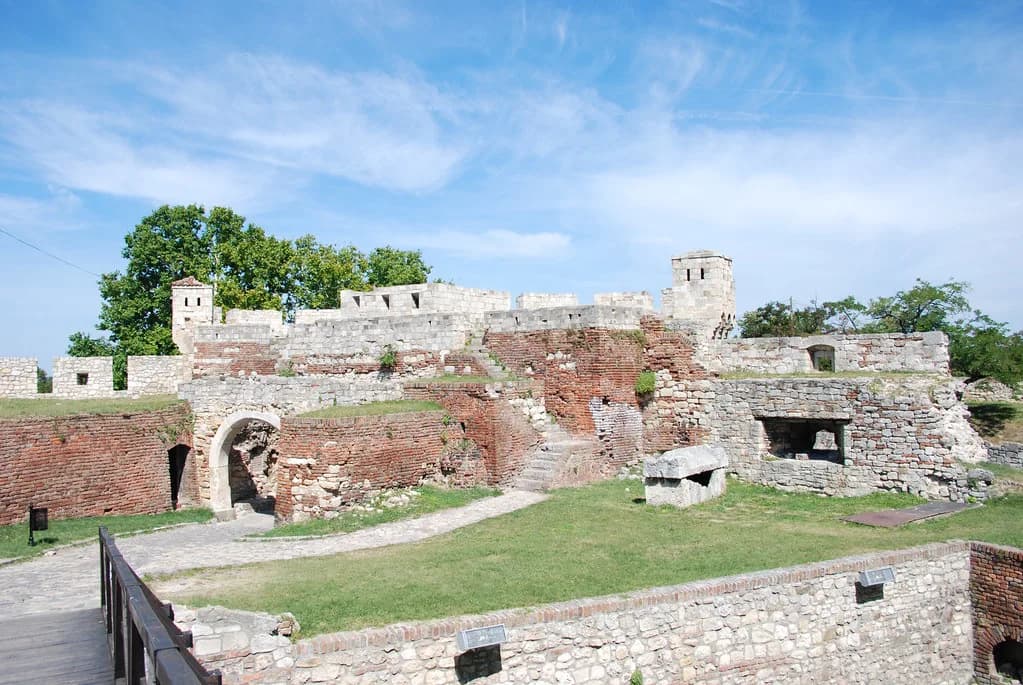
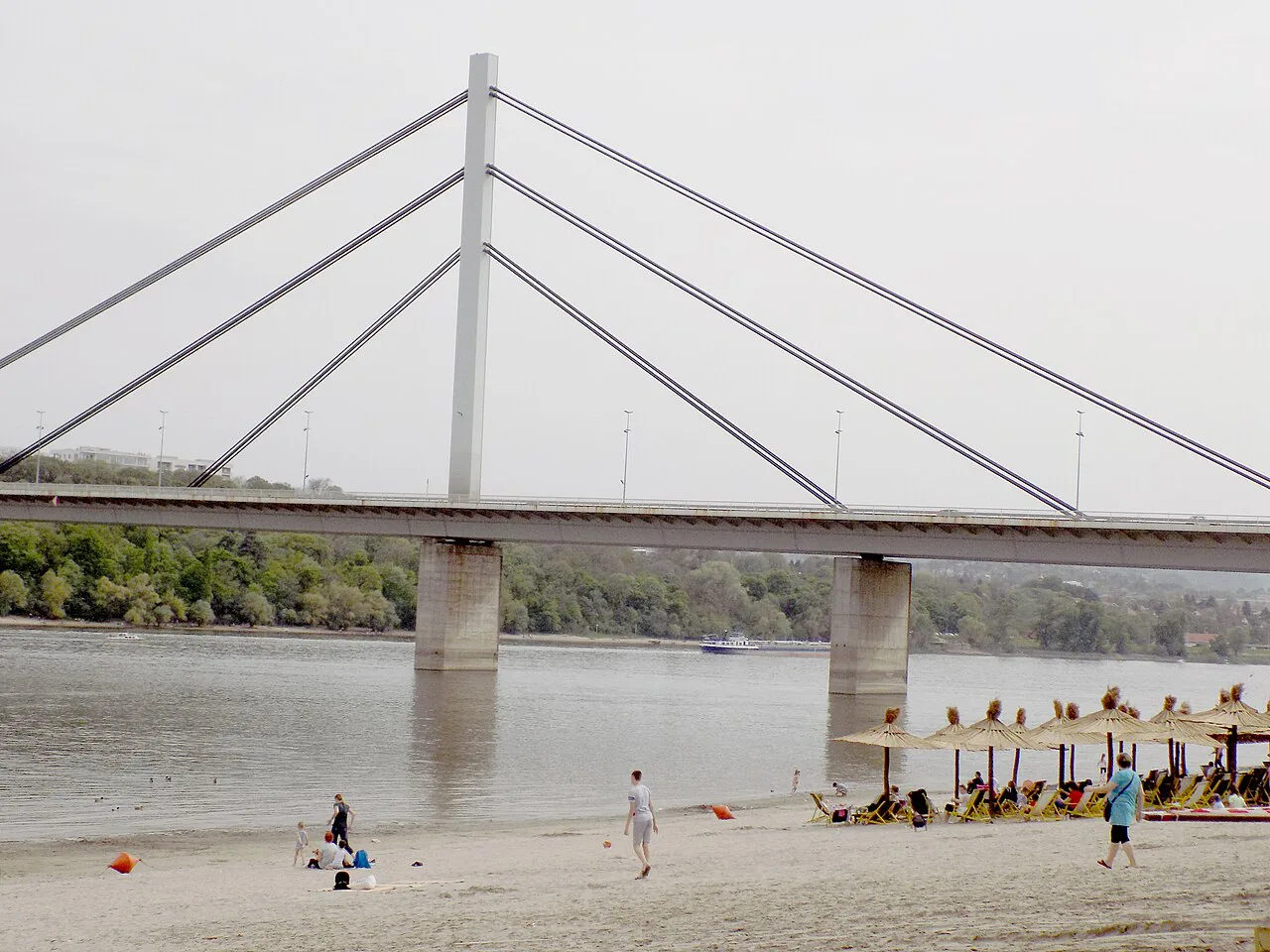
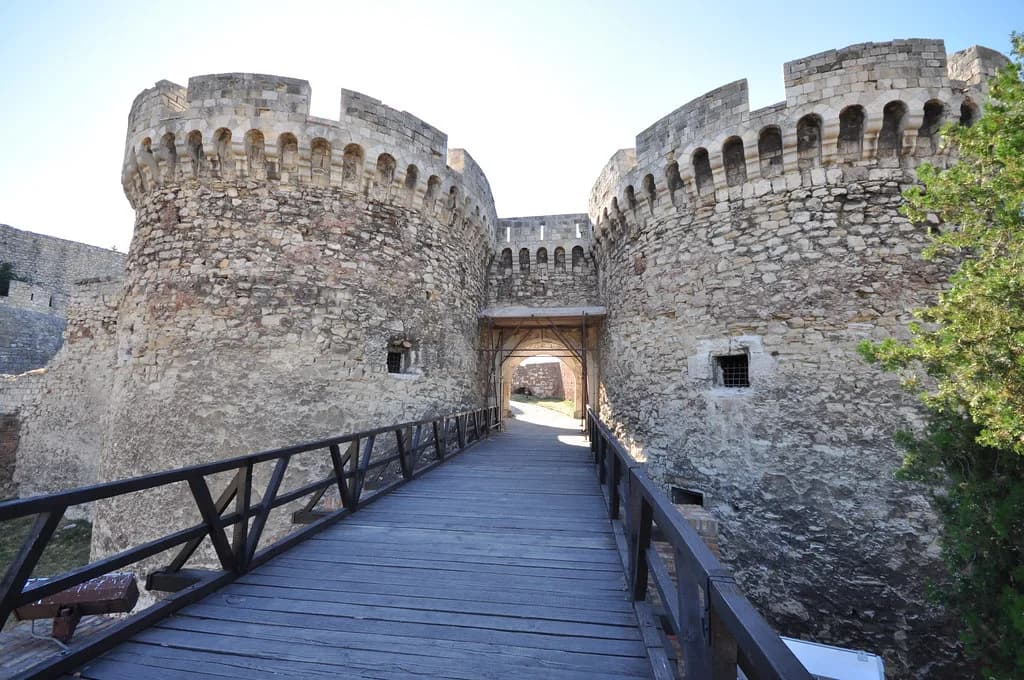
Go for Belgrade first. Kalemegdan Fortress above the Sava and Danube confluence, the pedestrian Knez Mihailova, the cobbled bohemian lane of Skadarlija and the enormous Saint Sava Church give two full days of substance, and Zemun adds a slower Habsburg-era contrast across the river. If that mix appeals, Serbia earns its place on your itinerary ahead of several more polished neighbors.
Then ask whether you will leave the capital. Serbia rewards a loop: Novi Sad and the Vojvodina towns for wine and food, Tara and Ðerdap national parks for hiking and river scenery, and the south for Roman ruins and Orthodox monasteries. Travelers who only want one city and a beach should choose Croatia or Montenegro instead and treat Serbia as a separate future trip.
Who will love it
City-break travelers who prefer atmosphere over polish will get the most from Belgrade. The downtown mixes 19th-century grandeur with brutalist concrete, riverside hangouts at Beton Hala and a cafe culture that makes a slow morning easy to justify. Travelers who need tidy, uniformly restored old towns may find the capital scruffy on first contact.
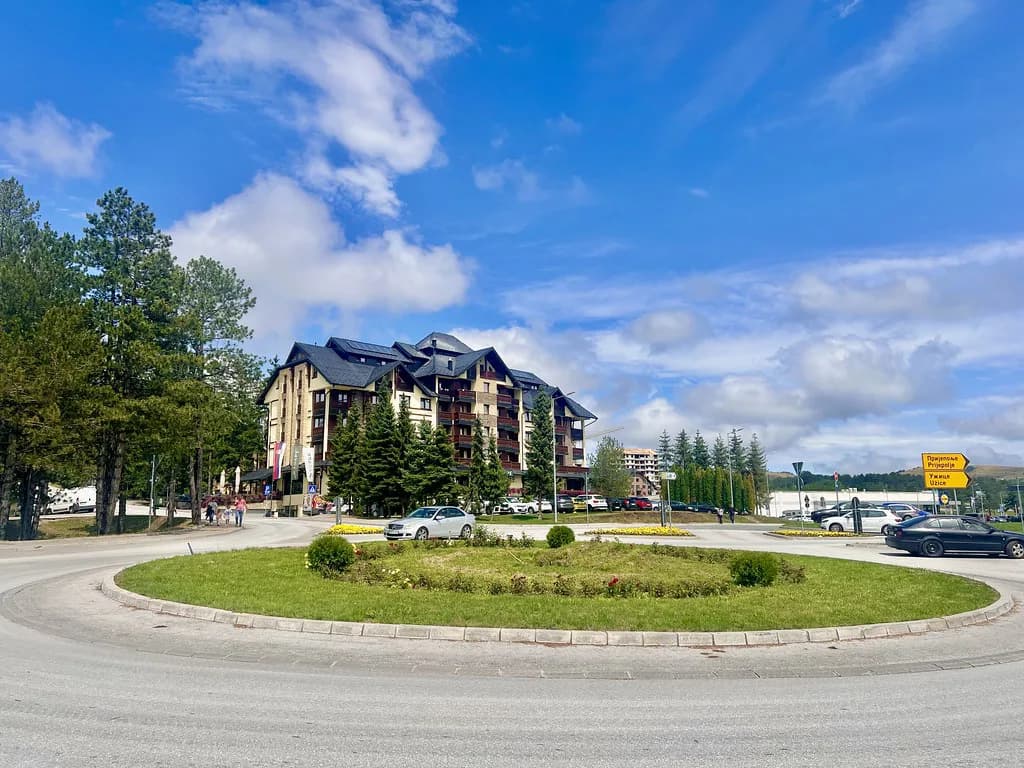
Outdoor travelers should look hard at the west and east. Tara National Park offers forested ridges, the Drina River and hiking, cycling and rafting, while Ðerdap National Park protects the Danube gorge. Add spa towns such as Vrnjačka Banja and Sokobanja, and the country makes sense for a week away from the cities.
Budget travelers and festival-goers also fit. Serbia is cheaper than Western Europe on most counts, and the calendar includes the Guča Trumpet Festival and Exit in Novi Sad. Nightlife is a genuine draw in Belgrade, but it should be a bonus rather than the reason for the trip.
Where the highlights are
Think of Serbia in four blocks. Belgrade is the urban block. Novi Sad and Vojvodina are the northern, Central European block, with Habsburg architecture and wine country around Sremski Karlovci. Tara and Ðerdap are the nature block. The south, around Felix Romuliana, Niš and the monastery routes, is the history block.
Few travelers see all four on one trip, and you should not try to. Pick Belgrade plus one region for a week, or Belgrade, Vojvodina and one national park for two weeks. Distances look short on a map but the roads and bus timetables eat time, so fewer bases beats a packed checklist.
Belgrade in two days
Start at Kalemegdan Fortress, where the promenade above the Sava and the Victor Monument give the classic city view. Walk down Knez Mihailova in the morning before the crowds, then loop through Trg Republike and the grand downtown streets. In the evening, Skadarlija delivers the old tavern atmosphere, and the nearby Skadarska street is short enough for a slow wander.
Give Saint Sava Church a proper stop: the vast domed exterior dominates the skyline and the interior is still being finished. Add the Museum of Yugoslavia if 20th-century history interests you, and finish in Zemun, whose low Habsburg houses and Danube waterfront feel like a different city. Two days covers the core; three lets you slow down.
City transport is reportedly free for visitors, including buses, trams and trolleybuses, with the A1 airport shuttle the exception. The A1 minibus to Slavija Square costs 400 RSD, and a cheaper public bus also connects the airport with the center.
Novi Sad and Vojvodina
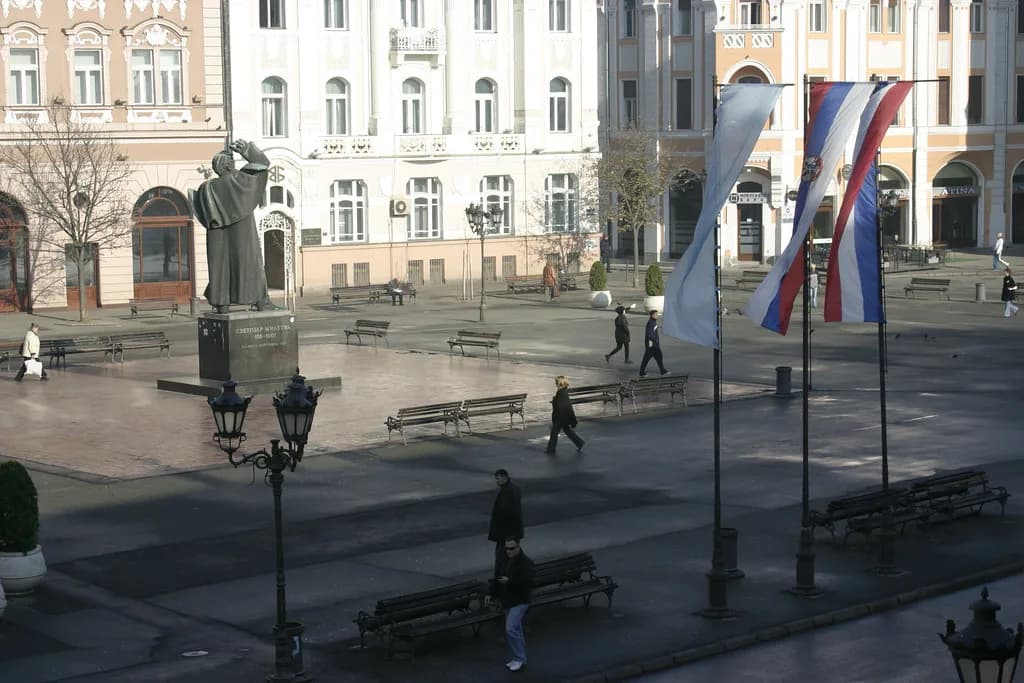
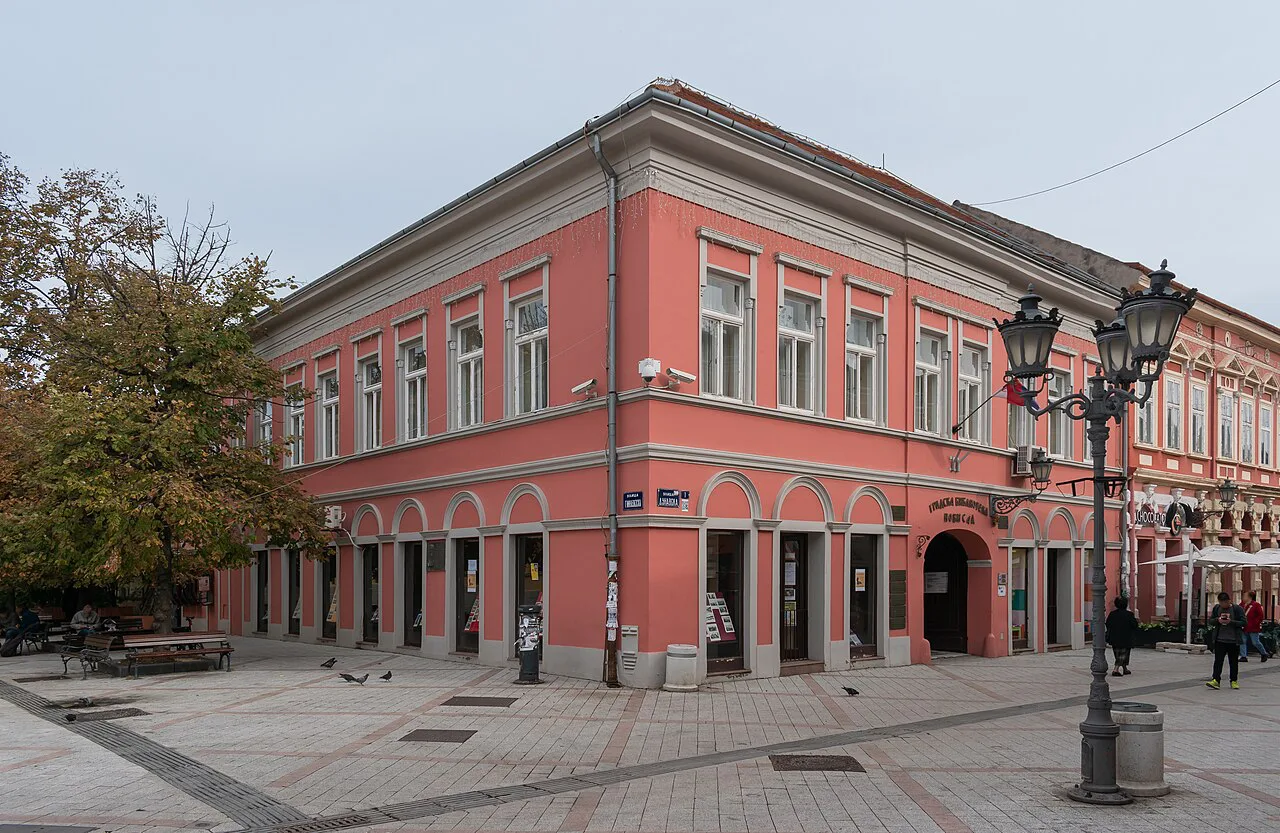
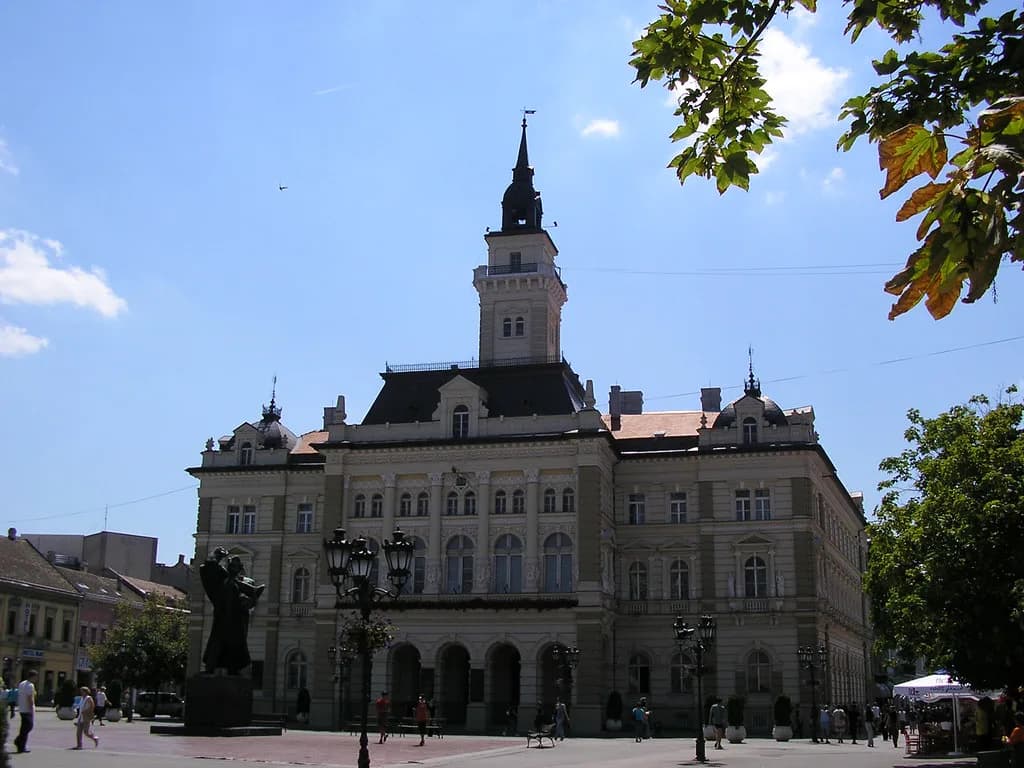
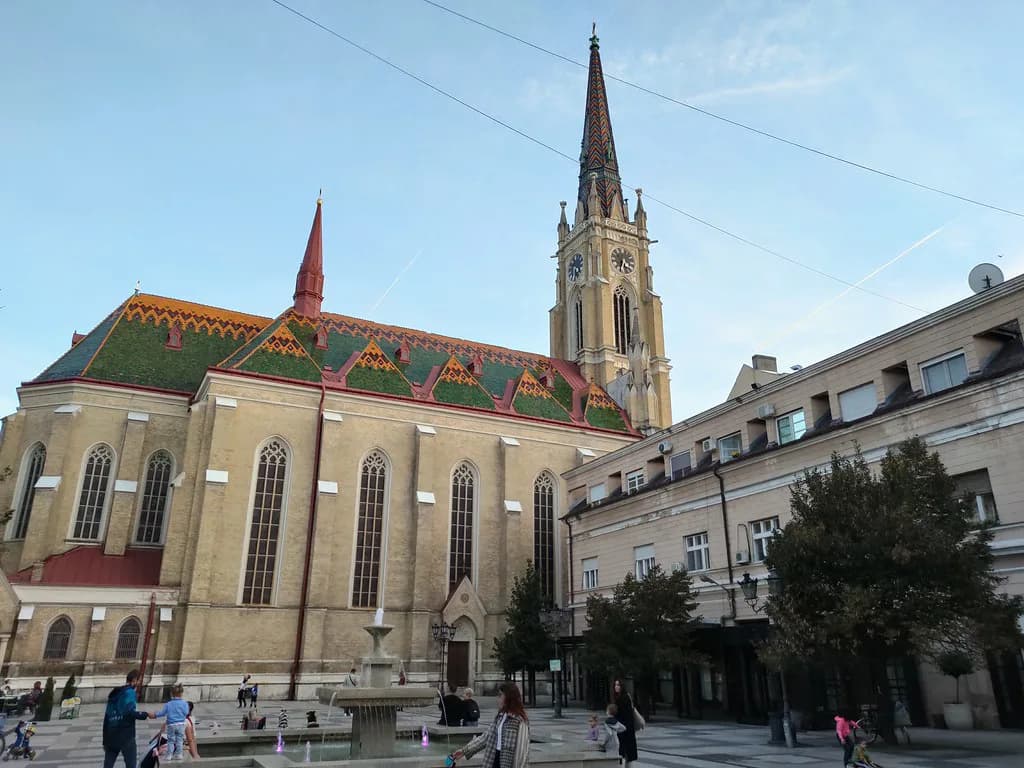
Novi Sad is the easy second city, with a relaxed center and the Petrovaradin fortress looking over the Danube; Exit fills the fortress each summer. Vojvodina around it is wine and food country, and Sremski Karlovci is the obvious short trip for a cellar visit and a stroll. This block rewards travelers who like gastronomy more than monuments.
The region's flat farmland and quiet towns feel closer to Hungary or Romania than to the Balkan mountains, which is exactly why it belongs in a Serbian itinerary. Budget a day for Novi Sad and another for a wine-focused loop, and keep your spending in dinars: prices here are set in Serbia's own currency, so plan around dinars and use exchange offices or ATMs in town for the best rates.
Nature: Tara and Ðerdap
Tara National Park is the headline for hikers, with deep forest, the Drina canyon and rafting on the river. Ðerdap, on the Danube in the east, delivers a dramatic gorge and bigriver scenery. Both are car-friendly rather than car-free, so plan transport carefully or join an organized tour.
Outdoor travelers should treat these parks as the reason to extend beyond Belgrade. Bring layers, because mountain weather turns quickly, and accept that trail infrastructure is simpler than in Western European parks. Spring and early autumn are the comfortable windows for hiking and cycling.
Southern Serbia and the spa towns
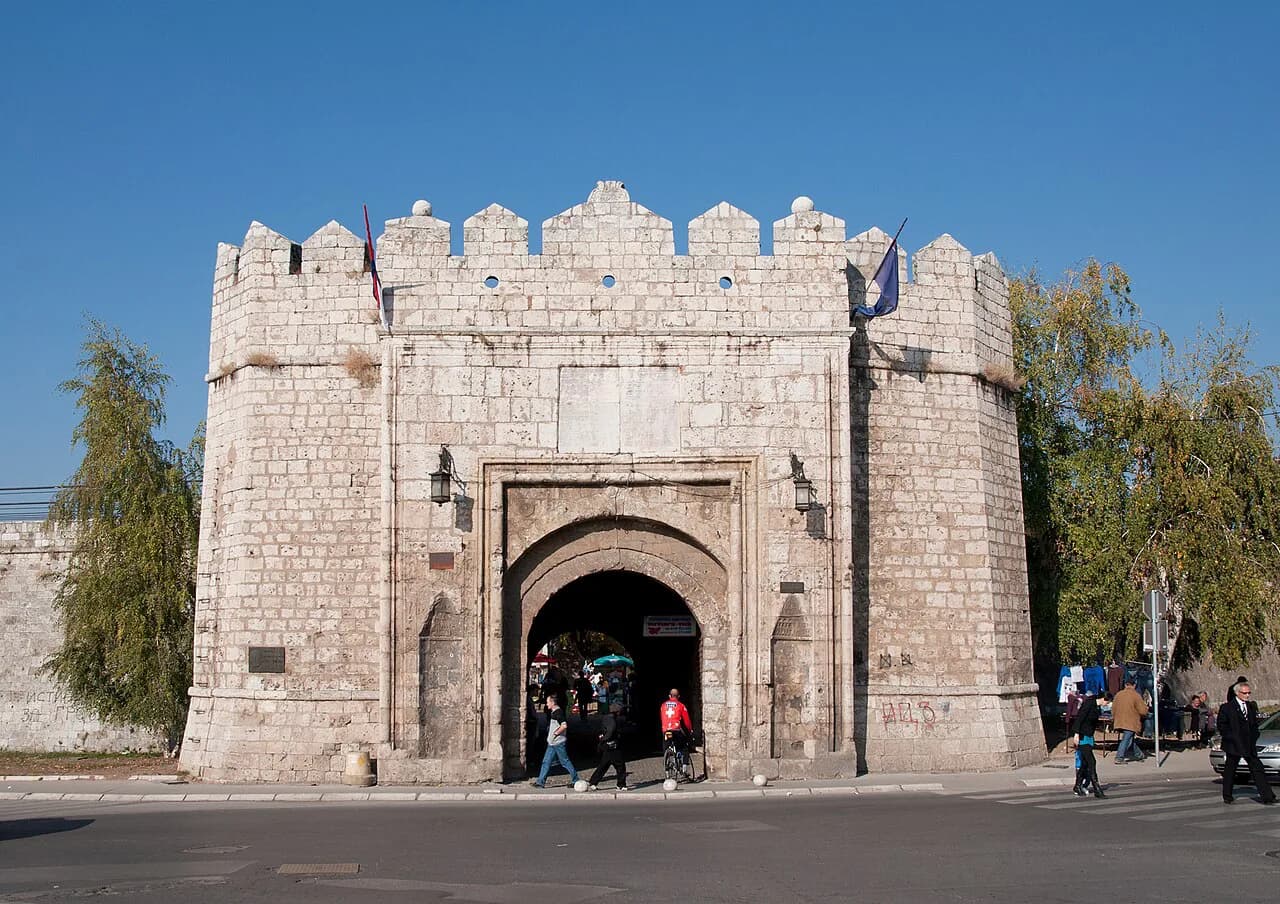
In the east, Felix Romuliana preserves the remains of a Roman palace, and the monastery routes of the south carry the weight of Orthodox history. Niš gives the region a practical city base. This is slower, less-visited Serbia, and it rewards travelers willing to rent a car and follow secondary roads.
Vrnjačka Banja and Sokobanja are the best-known spa towns, long used for their mineral springs since Roman and Ottoman times. They work as rest stops rather than destinations on their own, so pair one with the monasteries and Roman ruins instead of building a trip around it.
Drawbacks
Serbian food is heavily meat-based, with ćevapi, pljeskavica and grilled dishes dominating menus. Vegetarians can eat well on burek, cheese, salads and produce, but they should not expect the vegetable-forward menus of Croatia's coast. This is a real planning constraint, not a small quirk.
Sights are scattered, so a Serbia trip involves more time in transit than a compact city break. The old Belgrade station closed in 2018, and rail departures now split between Beograd Centar and Topčider, which confuses arrivals. Buses are often the practical option between cities.
Expect rough edges: brutalist sprawl, uneven pavements, and a scruffiness that some visitors read as neglect. Belgrade in particular is a city of layers rather than postcard beauty, and travelers who want instantly photogenic streets should adjust expectations or choose a different country.
When to go
Spring and early autumn are the most comfortable windows, with mild city temperatures and workable hiking conditions. May is a strong month for Belgrade and Novi Sad, while April suits city sightseeing and fortress walks. Summer brings heat to the cities and crowds to festival season.
Winter is cold and gray in the lowlands, with mountain snow that limits park access outside ski areas. Serbia's national weather service publishes monthly normals, so use those figures for planning rather than relying on a ten-day forecast until you are close to departure.
How many days you need
Two full days is enough to see central Belgrade, and three lets you add Zemun and the Museum of Yugoslavia. For a week, combine Belgrade with Novi Sad and Vojvodina. Ten days to two weeks allows a true loop with a national park and the south, though the driving and bus time adds up.
First-time visitors often underestimate Belgrade and overestimate how much of the country they can cover. If you only have five days, pick Belgrade plus one region and skip the rest rather than rushing through three.
Typical costs
Serbia is inexpensive by European standards, with mid-range meals, local transport and simple guesthouses all costing less than in Croatia or Italy. Prices are in dinars, so exchange or withdraw locally and keep small notes for bakeries, buses and taxis.
The one public fare stated here is the A1 shuttle at 400 RSD to Slavija Square, with the regular city bus the cheaper option. For everything else, use the carrier or venue's own published prices, which you can check at the ticket desk or their official site, rather than a blog figure that may be out of date.
Getting there and getting around
Belgrade Nikola Tesla Airport is the main gateway, served by Air Serbia and numerous European carriers. From the airport, the A1 minibus runs to Slavija Square for 400 RSD, and public buses link the airport with the center. From there, buses reach Novi Sad and other cities, while trains depart from Beograd Centar and Topčider.
Public transport within Belgrade is reportedly free for visitors since 2025, which makes the city easy to explore without tickets. Outside the capital, renting a car is the most flexible way to reach the national parks and the south; check your rental company's insurance terms and border rules for the car before you book.
A prepaid SIM card or Serbia eSIM is easy to sort on arrival, and a Type F plug adapter is worth bringing if your devices use another standard. Mobile data makes route planning on regional buses far less stressful.
Serbia versus Croatia, Bulgaria and Bosnia and Herzegovina
Croatia wins on coastline and polished old towns, and it uses the euro, which makes prices simpler but higher. Serbia wins on cost, big-city energy and inland nature. Choose Croatia for a beach holiday and Serbia for a city-and-park trip rather than expecting them to substitute for each other.
Bulgaria is the closest rival on value, with its own Black Sea coast and mountain range, while Bosnia and Herzegovina offers Sarajevo and Mostar in a compact package. Serbia's edge is Belgrade's scale and variety, plus the Vojvodina food and wine scene. Travelers who prioritize scenery over cities may prefer Bosnia; if that sounds like you, weigh it against our verdict on whether Bosnia and Herzegovina is worth visiting before you commit.
Final verdict by traveler type
Go if you want a cheap, characterful city break with good food, strong cafe culture and easy access to mountains. Go if you are comfortable with buses, occasional rough edges and a menu built around meat. Go if you want a Balkan trip that avoids the Adriatic crowds.
Skip Serbia, or treat it as a short stop, if your priority is beaches, polished old towns or wheelchair-friendly infrastructure. Also skip it if you only have a few days and want everything walkable, since the best of the country is spread out.
Overall, Serbia earns a qualified yes. It is not the easiest first Balkan destination, but for travelers who value substance over gloss, the combination of Belgrade, Vojvodina and the national parks is unusually good value and rarely crowded.
Plan Your Visit
Start with two or three days in Belgrade, add Novi Sad if you want a slower second city, and decide early whether you will rent a car for Tara or Ðerdap. Book nothing before you settle the length of your trip, because the country works best as a focused loop rather than a rushed checklist.
Carry dinars, expect a meat-heavy menu, and use dinars for everyday spending. Travelers who plan around those realities find Serbia rewarding, affordable and far less visited than its Adriatic neighbors.
Explore more Serbia trip-decision guides
- Money in Serbia
- Best Places to Visit in Serbia
- Is Serbia Cheap? What a Trip Really Costs
- Renting a Car in Serbia
- Serbia in April
- Serbia in October
- The Best Time to Visit Serbia
- Do They Speak English in Serbia? A Candid Answer for Travelers
- Getting Around Serbia
- Serbia eSIM
- Serbia in August
- Serbia in July
- Serbia in June
- Serbia in May
- Serbia Itinerary
- Serbia Plug Type
- The Best Cities in Serbia
- Tipping in Serbia
Frequently Asked Questions
Is Serbia worth visiting for tourists?
Yes, for travelers who want a gritty, affordable city-and-park country. Belgrade alone justifies a short break, and Vojvodina, Tara and Ðerdap reward a longer loop. It suits beach-seekers and travelers who need everything walkable far less well.
Is Belgrade worth visiting?
Yes. Kalemegdan Fortress, Knez Mihailova, Skadarlija, Saint Sava Church and Zemun fill two to three days, and the city has a strong cafe and riverside scene. Expect scruffy edges and a spread-out layout rather than postcard perfection.
How many days should I spend in Serbia?
Two to three days for Belgrade, a week if you add Novi Sad and Vojvodina, and ten days to two weeks for a loop that includes a national park and the south. Fewer bases make for a better trip than a packed checklist.
Is Serbia cheap to travel in?
Serbia is inexpensive by European standards for meals, guesthouses and local transport, but it uses dinars rather than euros. Use operator and venue prices for exact figures, since blog costs go stale.
What is the best time to visit Serbia?
Spring and early autumn are the most comfortable windows for cities and hiking, with May a strong month for Belgrade and Novi Sad. Summer brings heat and festival crowds, while winter is cold and gray in the lowlands.
Do they speak English in Serbia?
English is widely spoken among younger people and in the tourism industry, especially in Belgrade and Novi Sad. Outside the cities, having a few Serbian phrases and a translation app helps.
What currency does Serbia use?
Serbia uses the Serbian dinar, not the euro. Exchange or withdraw locally, keep small notes for buses and bakeries, and avoid assuming that euro prices apply.
How do I get from Belgrade airport to the center?
The A1 minibus runs to Slavija Square and costs 400 RSD, and cheaper public buses also connect the airport with the center. City transport within Belgrade is reportedly free for visitors.
Sources
Trip-decision notes
Optional updates when we publish or revise a destination verdict.
You might also like
Continue reading
More guides you'll find useful